“शिक्षणाशिवाय चतुराईने व्यवहार सांभाळणारा अक्कलवान समजावा…..!”
I am neither an education expert nor a great thinker. However, being in the field of journalism has developed in me a certain perspective to identify the inconsistencies in events happening around me, that’s all. The other day, a young boy named Om, around five or six years old, who is just learning to read and write in the first grade, came to our house for tuition with my wife. Although he hasn’t memorized multiplication tables yet, he accurately calculates money. This is neither a miracle nor something to be praised excessively. We witness many such examples in our daily lives. When we see such inconsistencies in our education system, it becomes evident that “It is a thousand times better to have wisdom without education than education without wisdom.”
- We often observe that people who rely on practical knowledge, rather than bookish knowledge, lead successful and happy lives. So, the question arises: is it the education system at fault, or the curriculum being taught? The general public seems to place little importance on either. For them, practical knowledge that makes life easier, along with inherent skills passed down through generations, is enough. They consider this level of education sufficient for survival.
- The tradition that a doctor’s child should become a doctor, a lawyer’s child should become a lawyer, a politician’s child should follow in politics, or an actor’s child should become an actor, is not something the education system is actively working to break.
- Moreover, education in most countries has become an expensive affair, especially in developing nations where access to education remains quite low. If the basic infrastructure required to apply the education we receive is beyond the reach of most people, then why would they even pursue it? As a result, we see a disparity where the children of the wealthy and the educated become highly educated, while the children of the poor remain deprived of education.
- In this scenario, those who seek means of livelihood within their reach use their inherent skills and intelligence to compete with the educated class for survival. Meanwhile, the middle-class, frustrated by their inability to apply their education—like sine, cosine, or theta—in everyday life, begins to criticize the very education they received. This is because only the middle class believes that education can improve their financial situation, and when this belief is betrayed, they feel wronged.
- Who is responsible for this situation? If education has become a tool only for the rich and those who treat knowledge as a commodity, should the middle class, like the poor, also abandon their fascination with education?
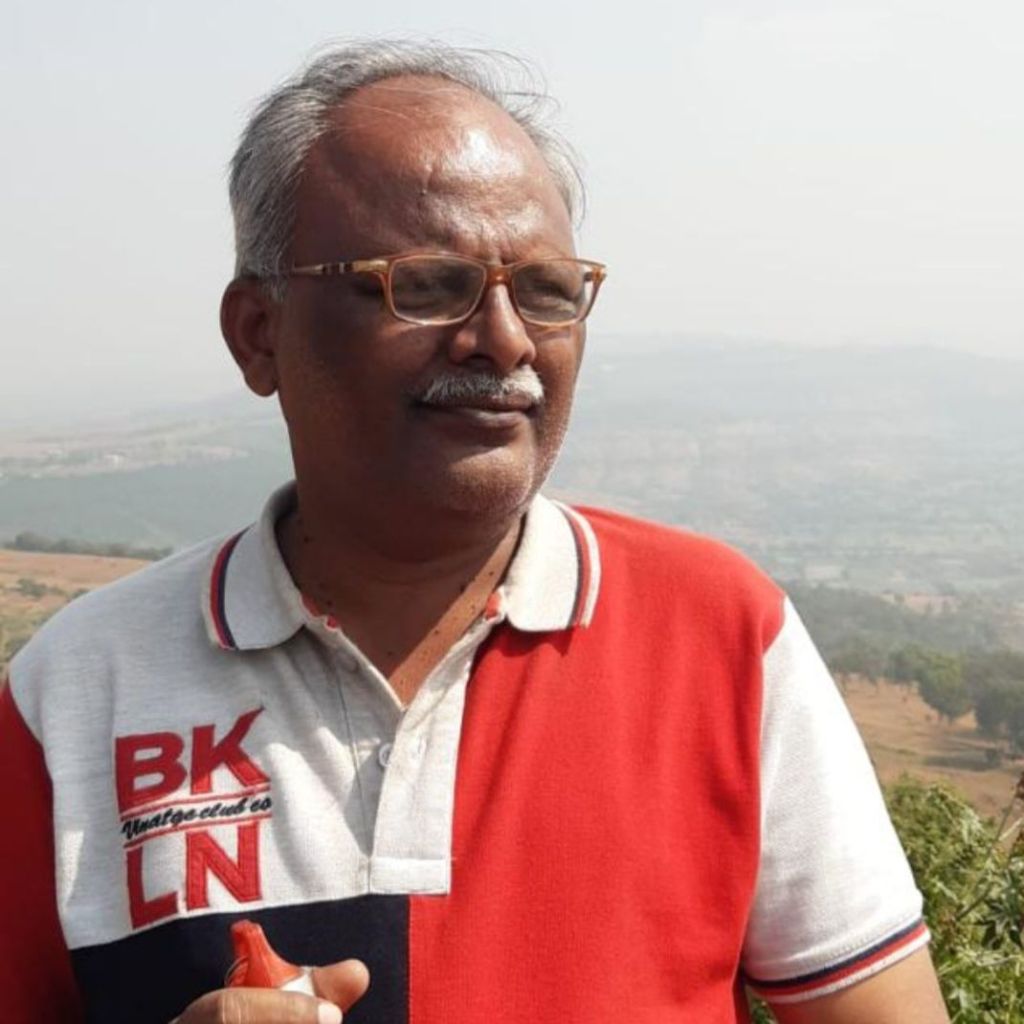
मी कुणी शिक्षणतज्ज्ञ नाही किंवा थोर विचारवंत देखील नाही. मी पत्रकारितेच्या क्षेत्रात असल्याने आजूबाजूला घडणाऱ्या घटनांमधील विसंगती हुडकण्याची एक दृष्टी विकसित झाली आहे, इतकेच. परवा दिवशी नुकतीच अक्षरओळख शिकणारा इयत्ता पहिली मधील ओम नावाचा पाच-सहा वर्षे वयाचा लहान मुलगा आमच्या घरी माझ्या पत्नीकडे ट्युशनसाठी येत असतो. त्याला अजून पाढे देखील पाठ नाहीत तरी तो पैशांचा हिशोब बरोबर सांगतो. हा काही चमत्कार किंवा कौतुकाचा विषय नक्कीच नाही. पण अशी अनेक उदाहरणे आपण दररोज आपल्या अवतीभवती पहात असतो. मग आपल्या शिक्षणपद्धतीमधील विसंगती पाहता “अक्कल नसलेले शिक्षण असण्यापेक्षा शिक्षणाशिवाय अक्कल असणे हजार पटीने चांगले आहे” याची आपल्याला खात्री पटायला लागते.
- आपण आपल्या अवतीभवती नेहमीच पाहतो की, पुस्तकी ज्ञानापेक्षा व्यवहारीज्ञानाचा आधार घेत अनेक लोक यशस्वी आणि आनंदी आयुष्य जगताना दिसतात. मग मुद्दा शिक्षण व्यवस्थेचा आहे की ज्याचे शिक्षण दिले जाते त्या अभ्यासक्रमाचा आहे, याला सर्वसामान्य लोकांच्या दृष्टीने काडीमात्रही महत्व नसते. त्यांच्यादृष्टीने जगणे सुसह्य करणारे व्यवहारी ज्ञान आणि वंशपरंपरेने आलेले अंगीभूत कौशल्य असले की पुरे झाले. त्यांना जगण्यासाठी एव्हढेच शिक्षण पुरेसे वाटते.
- डॉक्टरांच्या मुलांनी डॉक्टर व्हावे किंवा वकिलाच्या मुलाने वकील व्हावे, राजकारण्यांच्या मुलांनी राजकारणी व्हावे आणि अभिनेत्यांच्या मुलांनी अभिनेता व्हावे ही अशी घराणेशाहीची परंपरा मोडण्याचा प्रयत्न शिक्षण व्यवस्थेकडून मोठ्याप्रमाणात होताना दिसत नाही.
- एकतर बहुतांश देशांमधून शिक्षण घेणे हा खर्चाच्या दृष्टीने परवडणारा खेळ राहिलेला नाही. विशेषतः विकसनशील देशांमधून आजही शिक्षणाचे प्रमाण अत्यल्प आहे. शिवाय आपण जे शिक्षण घेत आहोत किंवा घेणार आहोत त्याचा आपल्या व्यवहारात वापर करण्यासाठी जी पायाभूत उभारणी करावी लागते तीच जर बहुसंख्य लोकांच्या आवाक्या बाहेरची गोष्ट असेल तर ते शिक्षण घेण्याच्या मार्गावर जातील कशाला ? त्यामुळेच धनिकांची आणि विद्वानांची मुले उच्चशिक्षित आणि गरिबांची मुले शिक्षणापासून वंचित असल्याचे चित्र दिसते.
- मग आपल्या आवाक्यातील उपजीविकेचे साधन शोधणारा वर्ग हा शिक्षणाशिवाय अंगीभूत असलेली अक्कल चतुराईने वापरत शिक्षित वर्गाशी जगण्याची स्पर्धा खेळत असतो. अशावेळी साईन-कॉस-थिटा चे शिक्षण रोजच्या व्यवहारात वापरता येत नसल्याने वैफल्यग्रस्त झालेला मध्यमवर्गीय माणूस घेतलेल्या शिक्षणालाच नावे ठेवू लागतो. कारण आपली आर्थिकस्थिती शिक्षणामुळे बदलू शकते यावर फक्त मध्यमवर्गीयच विश्वास ठेवत असतो. त्याचा विश्वासघात होत असतो.
- या परिस्थितीला जबाबदार कोण ? जर शिक्षण हे श्रीमंत आणि विद्येचा बाजार मांडलेल्या लोकांचेच साधन असेल तर मग गरीब वर्गाप्रमाणेच मध्यमवर्गीयांनी देखील शिक्षणाचे वाटणारे आकर्षण सोडून द्यावे का ?
:-Mukund Madhukar Hingne.
 avatibhavati.com
यावर आपले मत नोंदवा