“जीवनाचे खरे मूल्य कशात आहे ?”
Recently, I went to Chhatrapati Sambhajinagar for work. On my return journey, outside the CIDCO bus station, I saw an astrologer explaining the true value of life to an elderly woman. However, I noticed that instead of genuinely explaining the value of life, his keen attention was more focused on how much money she would give him. I couldn’t help but wonder: after living all the way into old age, if the woman still hadn’t understood the value of her life, what good would it do for someone to explain it to her now? Similarly, I found it strange that an astrologer, who didn’t seem to understand the value of his own life, was making predictions about others’ life values. But isn’t this exactly what happens in everyday life?
- These days, when meeting someone for the first time, there’s always a curiosity about “What do you do currently?” Behind this question lies the real intent of finding out “How much do you earn?” But the question doesn’t stop there. Once your income is known, the person begins to evaluate you and decides how they should treat you based on it. The relationship that emerges from such a conversation is often uncertain and shallow.
- For instance, if the person being asked earns less than the one asking, they are often considered of lower status and treated with disdain. But if the opposite is true—where the one being asked earns more than the asker—then the person asking adopts a two-faced approach. As long as there is something they can gain from the relationship, they praise and treat the other with respect. But once they no longer benefit, they not only distance themselves but also begin to despise the person out of frustration, wondering, “Why am I not as wealthy as them?”
- When people’s behavior toward one another is so unpredictable, imagine how unpredictable their future predictions would be. It’s something worth pondering. I do not believe that “predictions” are mere nonsense. On the contrary, I view them as an ancient science that should be further developed and expanded. I have many friends who are scholars in this field, and we often discuss such topics.
- In life, while your income may determine how comfortable and luxurious your life will be, this is a materialistic view. On the other hand, the spiritual perspective suggests that there is another life after death, determined by the good or bad deeds you have committed. These are two extreme ways of thinking. One’s view on life values depends on which philosophy they follow. But spiritually, the value of life is not based on what you earned but how you earned it. Of course, there remains one question: when is this value of life truly determined? It’s judged only after someone has lived their life. So, what’s the point in asking someone in their old age, “How did you live?”
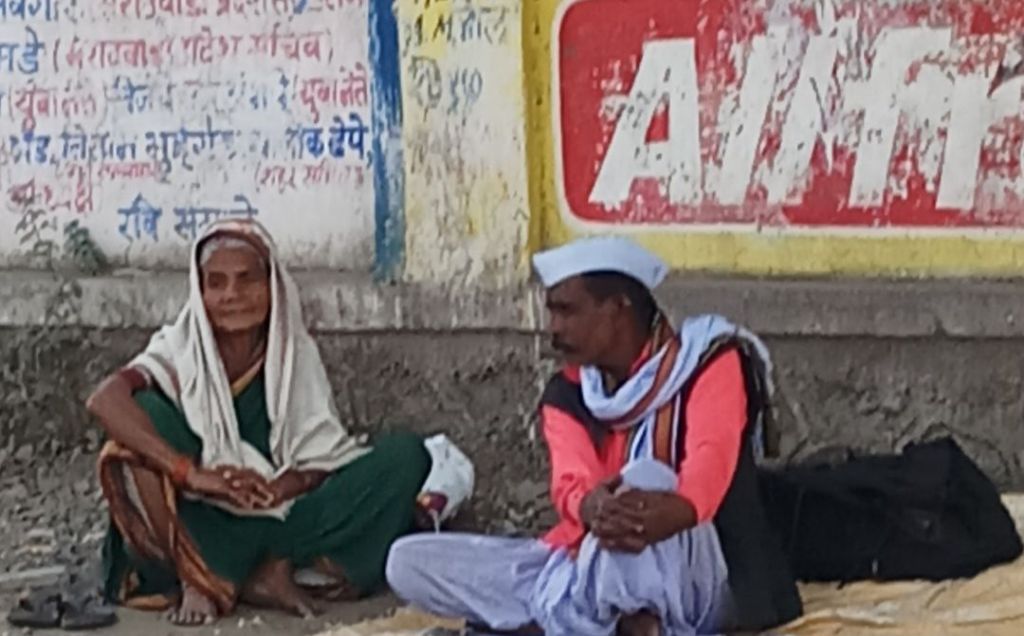
मध्यंतरी कामानिमित्त छत्रपती संभाजी नगरला गेलो होतो. परतीच्या प्रवासात सिडको बसस्थानकाबाहेर एक ज्योतिषी वृद्ध महिलेला जीवनाचे खरे मूल्य कशात आहे ? हे अगदी समजावून सांगत होता. जीवनाचे मूल्य सांगण्यापेक्षा त्याची शोधक नजर ती किती पैसे देईल यावरच केंद्रित असल्याचे माझ्या लक्षात आले. मुळात वृद्धाअवस्थेपर्यंत जगल्यानंतरही जिला आपल्या जीवनाचे मूल्य समजले नाही, तिला आता उर्वरित आयुष्यात हे मूल्य सांगण्याचा फायदा कोणता ? तसेच ज्या ज्योतिषाला त्याच्या स्वतःच्या जीवनाचे मूल्य समजले नाही, त्याने इतरांच्या जीवनमूल्यांवर भाकीत करावे हे मला विचित्रच वाटले. पण हेच तर रोजच्या आयुष्यात घडत असते.
- आजकाल नव्याने पहिल्यांदाच भेटणाऱ्या प्रत्येकालाच “सध्या तुम्ही काय करता ?” हे जाणून घेण्याची उत्सुकता असते. त्यापाठीमागे “तुमचे उत्पन्न किती आहे ?” हेच जाणून घ्यायचे असते. हा प्रश्न इथेच संपत नाही. तर तुमचे उत्पन्न समजल्यानंतर तुमचे मूल्यमापन करत विचारणारा माणूस तुमच्याशी कशाप्रकारे वागायचे हे ठरवीत असतो. त्यातूनही निर्माण होणारे नाते हे अनिश्चित अशा स्वरूपाचेच असते.
- कारण समजा विचारणाऱ्या व्यक्तीपेक्षा सांगणाऱ्या व्यक्तीचे उत्पन्न कमी असेल तर तो त्याला आपल्यापेक्षा कमी दर्जाचा समजतो आणि तुच्छतेची वागणूक द्यायला सज्ज होतो. पण तेच याउलट असेल तर म्हणजे विचारणाऱ्या पेक्षा सांगणाऱ्याचे उत्पन्न अधिक असेल तर ? अशा स्थितीत मात्र विचारणारा दुटप्पी धोरण स्वीकारतो. जोपर्यंत त्याचा मतलब त्याला साधायचा असतो तोपर्यंत तो त्याचा गौरव करतो. अधिक प्रमाणात त्याला आदराची वागणूक देतो. तेच मतलब साधून झाल्यावर हा व्यक्ती आपल्या पठडीतला किंवा आपल्या बरोबरीचा नाही म्हणून त्याच्यापासून नुसतेच अंतर राखत नाही तर त्याच्या सारखेच आपणही श्रीमंत का नाही ? या वैफल्यातून त्याचा तिरस्कार करायला लागतो.
- जेंव्हा माणसांचे एकमेकांशी वागणेच अनाकलनीय असते, तेंव्हा त्यांचे भाकीत किती अनाकलनीय असेल याचा आपण खरंच विचार करायला हवा. मी “भविष्य” हे थोतांड आहे असं मुळीच मानत नाही. याउलट ते एक पुरातन शास्त्र आहे आणि ते शास्त्र अधिक प्रगत आणि विस्तारित व्हावे असेच मला वाटते. या विषयाचे अभ्यासक असलेले माझे अनेक मित्र आहेत. ज्यांच्याशी मी नेहमीच या विषयावर चर्चा करत असतो.
- मुळात आयुष्यात तुम्ही काय कमावता ? यावर तुमचे आयुष्य किती आरामदायी आणि सुखात राहील हे ठरत असले तरी हा भौतिकवाद झाला. मृत्यूनंतर देखील दुसरा जन्म आहे, आणि तो जन्म तुम्ही केलेल्या पाप-पुण्यावर ठरत असतो हे सांगणारा पारमार्थिक विचार असे दोन टोकाचे विचारप्रवाह आहेत. कोण कोणत्या विचारांचा अनुनय करतो यावर त्याचे जीवनमूल्यांबाबतचे मत असू शकते. पण आध्यात्मिकदृष्ट्या जीवनाचे मूल्य हे आपण काय कमावले ? यापेक्षा कसे कमावले ? यावर ठरत असते. अर्थात पुन्हा एक प्रश्न उरतोच, हे जीवनमूल्य केंव्हा ठरविले जाते ? तर एखादा माणूस जगल्यानंतर. मग तो वृद्धावस्थेकडे गेल्यावर “तू कसा जगलास ?” हे सांगण्याचा अर्थ काय ?
:-Mukund Madhukar Hingne.
 avatibhavati.com
Leave a reply to मुकुंद हिंगणे उत्तर रद्द करा.