“देवदर्शनासाठी पायी चालत जाण्यामागचे अध्यात्म, मानसशास्त्र आणि विज्ञान !”
My friends from other religions often ask me teasing questions about my Hindu faith. I always make a sincere effort to explain things to them logically. I also speak out against those practices and traditions that are not in line with reason. However, if accepting the good aspects makes someone perceive me as religious, that is their perspective, and I don’t mind it. Many people have asked me, “Why do people walk barefoot when going to visit your gods? Is there any science behind it?”
- I don’t have much knowledge about the customs and traditions of worship in other religions. I also haven’t studied much about monotheism and polytheism. As a child, I used to think that just as we have many deities, so do followers of other religions. As I grew older, I learned more about various religions and their practices. Since I was raised with the values of respecting other religions while following my own, I don’t have any bias against other religions. However, I do feel uncomfortable when there is criticism from followers of other religions specifically about Hinduism and its practices.
- Perhaps the traditions that have been followed since ancient times now seem outdated or unscientific to some, and commenting on them could be considered a reformist opinion. I also believe that for a religion to survive, it must embrace the progressive age. But if there is spirituality, science, and psychology behind religious rituals and practices, then I feel there should be more in-depth study of them.
- I live in Solapur, a district in Maharashtra, India. Our district has a rich spiritual heritage. Pandurang of Pandharpur, Swami Samarth of Akkalkot, and the goddess Tuljabhavani of Tuljapur, located just 45 kilometers from Solapur city, are our centers of devotion. Throughout the year, various religious festivals are celebrated at different places of worship in the district. As a result, the entire district is known for preserving its devotional and spiritual traditions. This is our identity.
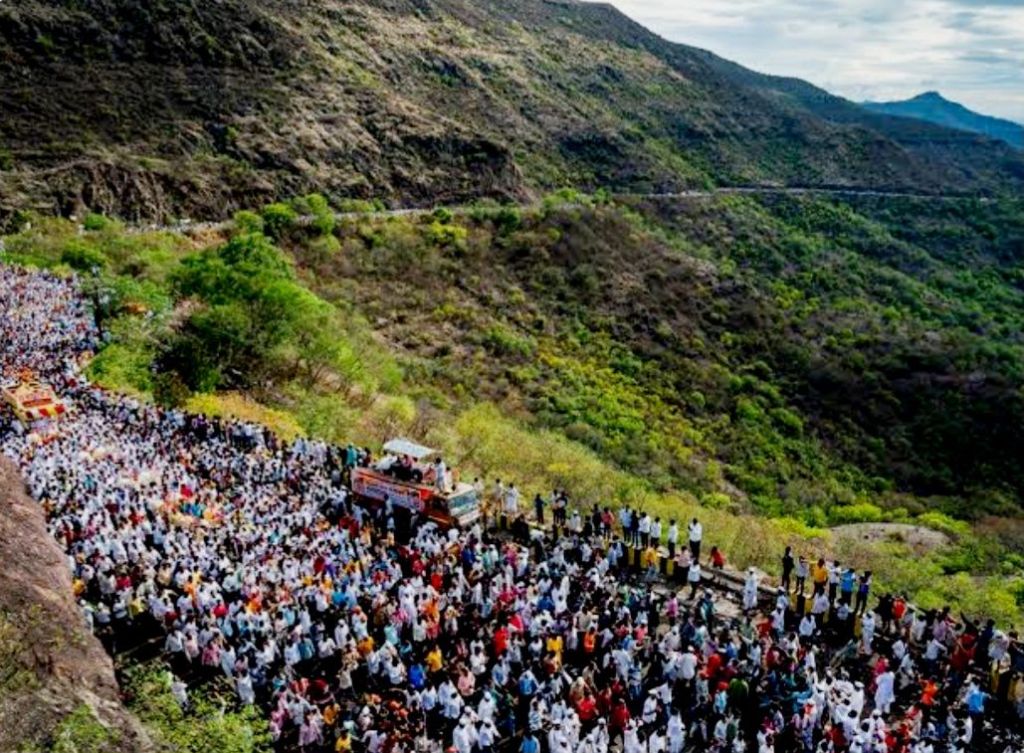
- The Ashadhi and Kartiki Wari of Lord Vitthal in Pandharpur is a pilgrimage that has been observed for the last seven hundred years. Wari refers to the practice of walking hundreds of kilometers as a group to visit the deity. Lakhs of ‘warkaris’ (devotees) join the pilgrimage, walking barefoot over hundreds of kilometers to reach Pandharpur for Vitthal’s darshan (vision of the deity). Behind the organization of this Wari, and its tradition, there is spirituality, psychology, and science, which is why this practice continues uninterrupted. The same is true for the Wari of devotees walking to Tuljapur for the darshan of Tuljabhavani Mata, a tradition that is over two hundred and fifty years old.
- So the question arises, why do Hindus walk to seek darshan of their deity? If this tradition started when there were no means of transportation, then why continue walking now? Does walking alone allow one to meet God?
- From a spiritual and psychological perspective, one thing becomes clear: the presence of God is sought within oneself, and this is found during the Wari. That is why devotees participating in the Wari take solace even in just having a glimpse of the temple’s pinnacle, even if they do not get the actual darshan of the deity.
- Devotees, motivated by a single thought, walk and become immersed in devotion, forgetting their own existence. This spiritual and mental energy frees them from pain and suffering. Through this process, they experience the divine in each other.
- When you walk with balance in your body, inspired by a single goal, the immense energy generated within you makes you stronger and more resilient. As your walking and thinking occur in sync, your confidence and positivity increase, something even science acknowledges. This energy that is generated is a part of the divinity you believe in. This is the foundation of Hinduism. That’s why Hindus walk to seek darshan of their deities.

मला माझ्या हिंदुधर्माबाबत इतरधर्मीय मित्र खोडसाळपणे काही प्रश्न नेहमीच विचारत असतात. तर्काच्या आधारावर त्यांना काही प्रमाणात पटवून देण्याचा माझा नेहमीच प्रामाणिक प्रयत्न असतो. ज्या प्रथा-परंपरा तर्काशी सुसंगत नाहीत अशा प्रथांविरोधी मी देखील बोलत असतो. पण ज्या गोष्टी चांगल्या आहेत त्या स्वीकारण्याने जर मी कुणाला धार्मिक वाटत असेल तर हा त्याचा दृष्टिकोन झाला. मला त्याचे काही वाईट वाटणार नाही. “तुमच्या देवांची उपासना करताना दर्शनासाठी लोक अनवाणी चालत का जातात ? त्यामागे काही विज्ञान आहे का ?” हा प्रश्न मला अनेकजण विचारतात.
- मला इतर धर्मातील उपासनेच्या रूढी आणि परंपराबद्दल फारशी माहिती नाही. मला एक ईश्वरवाद आणि बहु ईश्वरवाद याबद्दलही फार अभ्यास नाही. लहानपणी आपले जेव्हढे देवी-देवता आहेत तेव्हढेच इतर धर्मियांचे पण असतात असाच माझा समज होता. वयाने मोठा होत गेल्यानंतर विविध धर्म आणि त्यांच्या चालीरीती याबद्दल माहिती मिळाली. इतर धर्माचा आदर राखत आपण आपला धर्म पाळायचा हा संस्कार असल्याने मला इतर धर्माचे वावडे देखील नाही. तरीपण फक्त हिंदुधर्म आणि त्याच्या चालीरीतीबाबत जेंव्हा इतर धर्मीयांकडून टीकात्मक बोलले जाते तेंव्हा मी नक्कीच अस्वस्थ होतो.
- पुरातन काळापासून चालत आलेल्या चालीरीती कदाचित आज कालबाह्य किंवा विज्ञानवादी वाटत नसतील तर त्यावर भाष्य करणे हे सुधारणावादी मत असू शकते. धर्माने देखील प्रगत युगाचा स्वीकार केला तरच धर्माचे अस्तित्व राहील या मताचा मी आहे. पण जर धार्मिक उपासना आणि विधींमागे अध्यात्म, विज्ञान आणि मानसशास्त्र असेल तर मग त्याचा अधिक अभ्यास होणे गरजेचे वाटते.
- मी महाराष्ट्रातील (भारत) सोलापूर या जिल्ह्याच्या ठिकाणी राहतो. आमचा जिल्हाच अध्यात्माचा वारसा लाभलेला जिल्हा आहे. पंढरपूरचा पांडुरंग, अक्कलकोटचे स्वामी समर्थ, सोलापूर शहरापासून अवघ्या ४५ किलोमीटर अंतरावर असलेल्या तुळजापूरची तुळजाभवानी माता ही आमची भक्तिकेंद्रे आहेत. वर्षभर जिल्ह्यात अनेक धार्मिक स्थळांवर वेगवेगळे उत्सव साजरे होत असतात. त्यामुळे संपूर्ण जिल्हाच भक्ती आणि आध्यात्मिक परंपरा जपणारा आहे. हीच आमची ओळख आहे.
- पंढरपूरच्या श्री विठ्ठलाची आषाढी-कार्तिकी वारी ही तर सातशे वर्षांची परंपरा लाभलेली “वारी” आहे. समूहाने शेकडो किलोमीटर अंतर पायी चालत जावून देवाचे दर्शन घेण्याला वारी म्हणतात. लाखोंच्या संख्येने वारकरी म्हणजेच वारीत सामील झालेले विठ्ठल भक्त अनवाणी पायी चालत शेकडो किलोमीटर अंतरावरून विठ्ठलाच्या दर्शनाला पंढरपूरला येतात. या वारीचे व्यवस्थापन, परंपरा याच्या पाठीशी अध्यात्म, मानसशास्त्र आणि विज्ञान देखील आहे. म्हणूनच ही प्रथा अविरतपणे सुरू आहे. हीच गोष्ट तुळजापूरच्या तुळजाभवानी मातेच्या दर्शनासाठी पायी चालत येणाऱ्या भक्तांच्या वारीमध्ये आहे. तुळजापूरला दर्शनासाठी पायी चालत येण्याची परंपरा देखील अडीचशे वर्षे जुनी आहे. मग मुद्दा हा आहे की हिंदुधर्मीय लोक देवाच्या दर्शनासाठी पायी चालत का जात असावेत ? जेंव्हा ही प्रथा सुरू झाली तेंव्हा दळणवळणाची साधने नव्हती म्हणून जर पायी चालत जात असतील तर आता चालत जाण्याची गरज काय ? पायी चालत जाण्यानेच देव भेटतो का ?
- अध्यात्मिक आणि मानसशास्त्राच्या दृष्टीने अभ्यास केला तर एक गोष्ट स्पष्ट होते ती म्हणजे देवाचे अस्तित्व हे माणसातच शोधायचे असते ते वारीत सापडते. म्हणूनच वारीत सामील झालेले भक्त देवाचे दर्शन झाले नाही तरी फक्त मंदिराच्या कळसाचे दर्शन घेतात.
- एकाच विचाराने प्रेरित होवून चालत निघालेले भक्त आपले अस्तित्व विसरून फक्त भक्तीमध्ये तल्लीन झालेले असतात. ही अध्यात्मिक आणि मानसिक उर्जाचं त्यांना दुःख आणि वेदनेपासून मुक्ती देणारी असते. या क्रियेतूनच त्यांना एकमेकांमधील परमेश्वराचे दर्शन होत असते.
- तुमच्या शरीराचे संतुलन राखत तुम्ही जेंव्हा फक्त एका ध्येयाने प्रेरित होऊन पायी चालत निघता तेंव्हा तुमच्या शरीरात तयार होणारी प्रचंड ऊर्जा तुम्हाला अधिक सशक्त, कणखर बनवते. तुमचे चालणे आणि विचार करणे ही क्रिया समान गतीने होत असल्याने तुमचा आत्मविश्वास आणि सकारात्मकता वाढते हे विज्ञानाला देखील मान्य आहे. ही निर्माण होणारी ऊर्जा म्हणजेच तुम्ही मानत असलेल्या परमेश्वराचा अंश आहे. हाच हिंदुइझमचा पाया आहे. म्हणूनच हिंदुधर्मीय देवदर्शनासाठी पायी चालत जातात.
:-Mukund Madhukar Hingne.
 avatibhavati.com
यावर आपले मत नोंदवा