“मराठेशाहीचा अस्त करणाऱ्या युद्धभूमीवर ब्रिटिशांनी बांधला तलाव…!”
What major historical events do you remember?
On the battlefield where the army of the second Bajirao Peshwa, under the leadership of the last commander of the Maratha Empire, Bapu Gokhale, fought the third and final fierce battle against the British forces, the Maratha Empire faced defeat, marking the beginning of British rule in India. Fifty years later, the British, using the pretext of a famine, built a lake on this very battlefield, erasing the historical traces of the battle. This battlefield is located near the village of Ashti in the present-day Mohol taluka of Solapur district. The lake built by the British was named “Maharani Victoria Kaiser Lake,” and it is now known as the Ashti-Yevati Lake.
- The date that marked the defeat of the Maratha Empire was February 20, 1818, and the location was the Ashti-Yevati region in Mohol taluka of Solapur district. After this battle, the East India Company, under the authority of Queen Victoria, hoisted the “Union Jack” over India. This battlefield, where the last commander of the Marathas, Bapu Gokhale, along with nearly four and a half thousand soldiers, met a heroic death, could have become a symbol of inspiration for the Indian people. A memorial to Commander Bapu Gokhale was erected on this battlefield. To prevent this site from becoming a source of motivation, the British, around fifty years later, in 1876, used the pretext of a famine to build a lake and erase the historical traces.
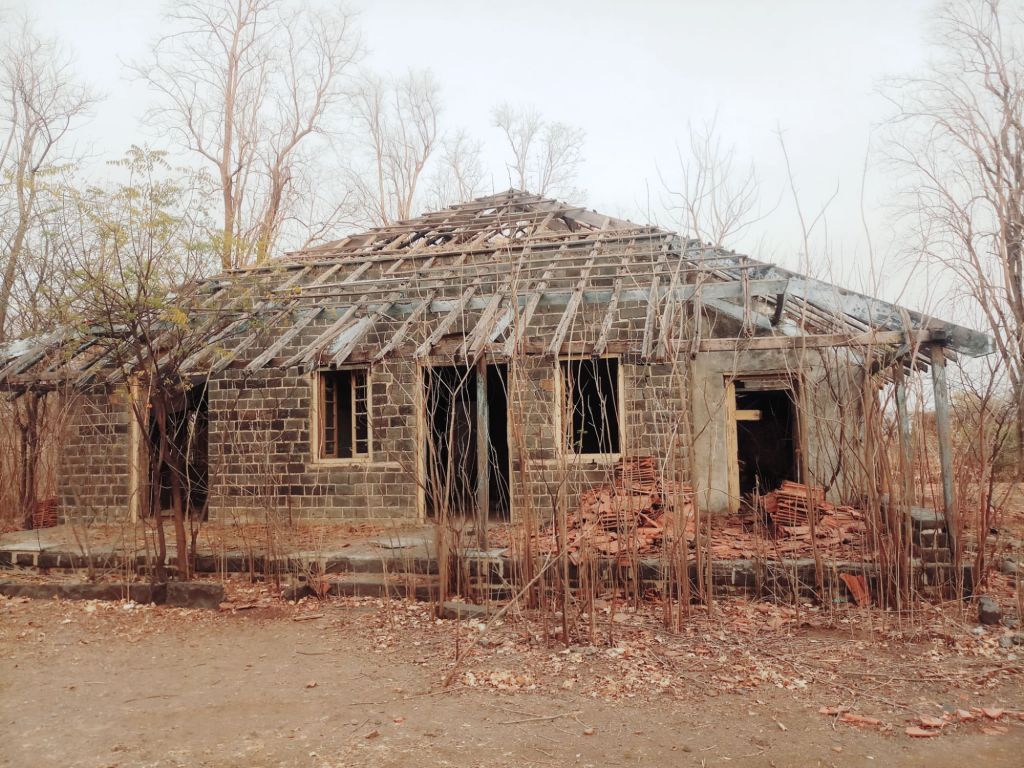
- The lake was constructed through the forced labor of British prisoners and ordinary people. Later, the British built a tiled guest house near the lake, turning it into a place for rest and recreation for British officers. This lake still exists today.
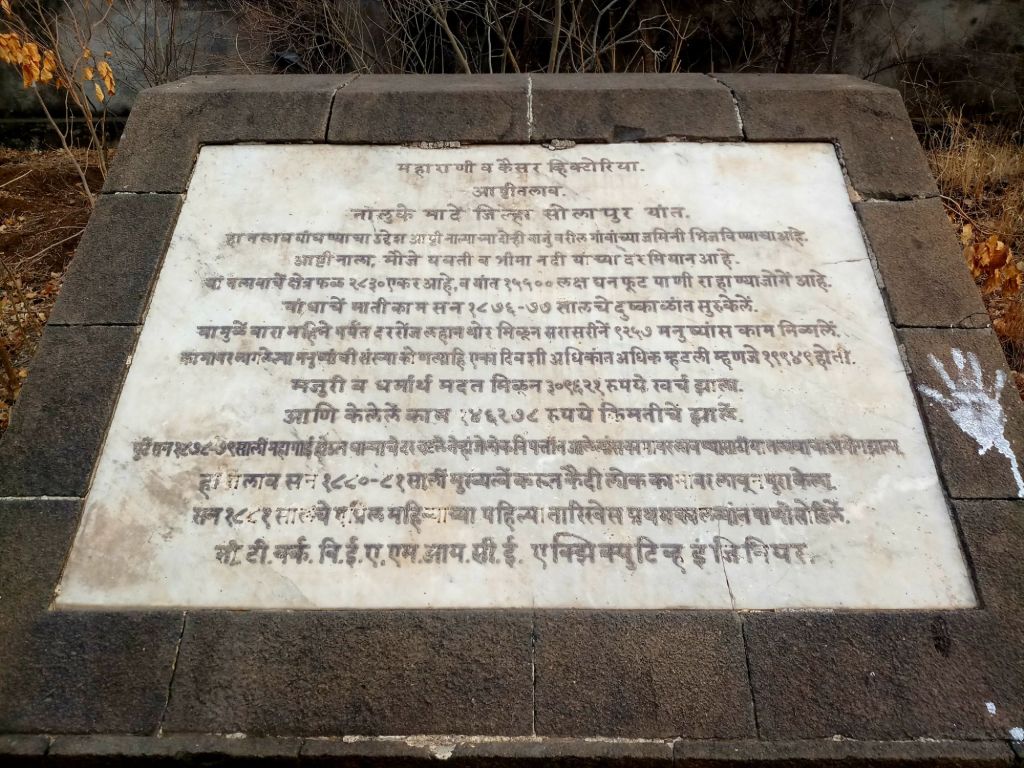
- Construction of the lake began between 1876 and 1880. According to British records and the inscription on the foundation stone that still exists at the guest house site, the lake was built by 9,257 laborers over approximately 12 months. At that time, 248 years ago, the cost of building this lake was ₹3,96,621. While it was officially stated that the lake’s construction was a charitable act by prisoners, this large expense was presented to Queen Victoria by the East India Company, indicating that corruption was rampant even under British rule, as revealed by their own records.
- Although the lake came under the control of the Indian government after independence, it remains neglected due to a lack of attention from the Archaeological Department. If this site were to be excavated and studied further, more evidence of the final battle between the British and Marathas might be uncovered. When the lake dries up, villagers often find ancient weapons in the mud.
- Despite several factors contributing to the fall of the Maratha Empire—such as the cowardice of the second Bajirao Peshwa, his weak hold on governance, and the troubles caused by his opponents—the battlefield, which is central to this history, was first obscured by the British by constructing a lake, and later neglected by the Indian government after independence. During the battle, the British used the Galloper gun for the first time, while the Marathas fought with traditional weapons like swords and spears. Could the defeat of the brave Marathas have been due to this disparity in arms? Further research might shed light on this hidden chapter of history.
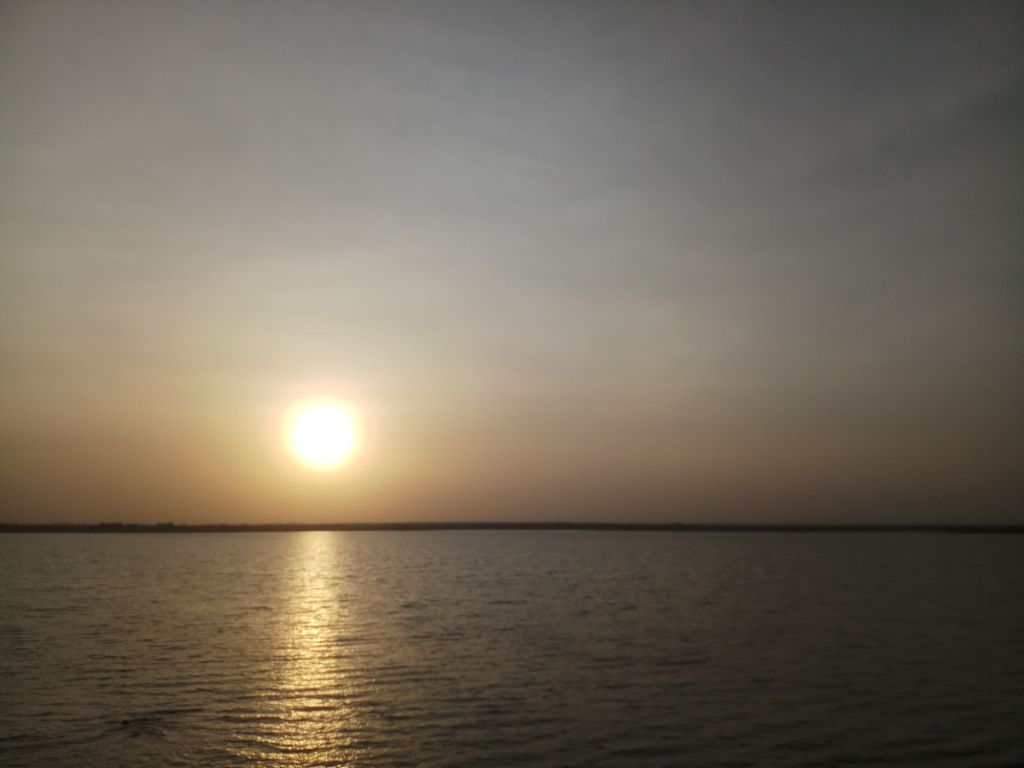

ज्या युद्धभूमीवर दुसरा बाजीराव पेशवाच्या सैन्याने मराठेशाहीचा शेवटचा सेनापती बापू गोखले याच्या नेतृत्वाखाली ब्रिटिश फौजेशी शेवटची तिसरी निकराची झुंज दिली. त्या युद्धभूमीवर मराठेशाहीचा पराभव झाला आणि तिथूनच भारतावर ब्रिटिश राजवट सुरू झाली. ब्रिटिशांनी याच युद्धभूमीवर पुढे पन्नास वर्षांनी दुष्काळाचे निमित्त करून तलाव बांधून युद्धभूमीच्या ऐतिहासिक खुणाच नष्ट करून टाकल्या. ही युद्धभूमी सोलापूर जिल्ह्यातील सध्याच्या मोहोळ तालुक्यातील आष्टी या गावालगत आहे. ब्रिटिशांनी बांधलेल्या तलावाला “महाराणी व व्हिक्टोरिया कैसर तलाव” हे नाव दिले. त्याला सध्या आष्टी-येवतीचा तलाव म्हणून ओळखले जाते.
- मराठेशाहीच्या पराभवाचा इतिहास घडला तो दिवस २० फेब्रुवारी १८१८ आणि ठिकाण आमच्या सोलापूर जिल्ह्यातील मोहोळ तालुक्यातील आष्टी-येवतीचे शिवार. या युद्धानंतरच ईस्ट इंडिया कंपनीने व्हिक्टोरिया महाराणीच्या अधिपत्याखाली भारतावर आपला “युनियन जॅक” फडकवला. मराठेशाहीचे साम्राज्य संपुष्टात आणणारी ही युद्धभूमी मराठ्यांचा शेवटचा सेनापती बापू गोखले यांच्यासह जवळपास साडेचार हजार सैन्याला वीरमरण देणारी ही युद्धभूमी पुढे हिंदुस्थानी जनतेचे प्रेरणास्थान बनू नये कारण या युद्धभूमीवर सेनापती बापू गोखले यांची समाधी बांधलेली होती.म्हणून ब्रिटिशांनी पुढे जवळपास पन्नास वर्षांनी म्हणजेच १८७६ च्या सुमारास दुष्काळाचे निमित्त करून तलाव बांधून इतिहासाच्या खुणाच नष्ट केल्या.
- हा तलाव ब्रिटिशांचे राजकैदी आणि बंदिवान तसेच सर्वसामान्य जनतेच्या श्रमदानातून बांधण्यात आला आहे. पुढे या तलावाच्या ठिकाणी ब्रिटिशांनी एक कौलारू गेस्ट हाऊस बांधून ब्रिटिश अधिकाऱ्यांसाठी सहलीचे आणि विश्रांतीचे ठिकाण बनवले. आजही हा तलाव अस्तित्वात आहे.
- १८७६ ते १८८० पर्यंत या तलावाचे बांधकाम सुरू होते. ब्रिटिश दफ्तरातील नोंदी आणि गेस्ट हाऊसच्या आवारात आजही अस्तित्वात असलेल्या कोनशीलावरील नोंदीनुसार ९ हजार २५७ मजुरांच्या मेहनतीमधून जवळपास १२ महिने काम करून हा तलाव बांधण्यात आला. त्याकाळी. म्हणजेच २४८ वर्षांपूर्वी या तलावाच्या बांधकामासाठी ३ लाख ९६२१ रुपये खर्च आला होता. एकीकडे कैद्यांकडून काम करून घेतलेल्या या तलावाचे काम धर्मार्थ केल्याचे नमूद केले असताना एव्हढा खर्च ईस्ट इंडिया कंपनीने महाराणी व्हिक्टोरियाला सादर केला. म्हणजेच ब्रिटिशांच्या राजवटीतही मोठ्या प्रमाणात भ्रष्टाचार सुरू होता हे त्यांच्याच मिळालेल्या नोंदीवरून स्पष्ट होते.
- स्वातंत्र्यानंतर हा तलाव जरी भारत सरकारच्या ताब्यात आला असला तरी पुरातत्व विभागाकडे वर्ग करून याचा अधिक अभ्यास केला तर ब्रिटिश आणि मराठ्यांच्या शेवटच्या लढाईचे आणखी पुरावे उत्खनन करून मिळतील. तलावातील पाणी आटले की गावकऱ्यांना तिथे गाळात अनेक इतिहासकालीन शस्त्रे सापडतात.
- दुसरा बाजीराव पेशव्याचा भित्रेपणा, त्याची राज्य कारभारावरची पकड नसणे, विरोधकांचा त्रास अशी अनेक कारणे असली तरी मराठेशाहीच्या अस्ताचा इतिहास असलेली ही युद्धभूमी अगोदर ब्रिटिशांनी तलाव बांधून गडप केली आणि स्वातंत्र्यानंतर भारत सरकारच्या अनास्थेमुळे दुर्लक्षित राहिली आहे. त्यावेळी ब्रिटिशांनी युद्धात गॅलिपर गन पहिल्यांदाच वापरली होती. तर मराठे तलवार आणि भाला या पारंपारिक शस्त्राने लढले होते. शूर मराठ्यांचा पराभव हा यामुळेच झाला होता का ? याचे संशोधन झाल्यास दडलेल्या इतिहासावर प्रकाश टाकता येईल.

:-Mukund Madhukar Hingne.
 avatibhavati.com
Leave a reply to मुकुंद हिंगणे उत्तर रद्द करा.