“पारतंत्र्यातही चार दिवस स्वातंत्र्य उपभोगणारे सोलापूर शहर…!”
What historical event fascinates you the most?
The history of Indian independence is known as a sacrificial altar of revolutionaries. Along with Mahatma Gandhi’s non-violent satyagraha, which aimed to overthrow the 150-year oppressive British rule, the armed uprising of revolutionaries also shook the British to their core. In 1930, patriots in Solapur launched a fierce movement, driving out British officials and declaring Solapur independent. The people of Solapur experienced freedom for three days. This event stands as the only instance in Indian history where the proud citizens of Solapur liberated their city 17 years before India’s independence. It remains a unique example in the history of Indian freedom, and this incident of my city’s independence always mesmerizes and inspires me.
- During British rule in India, Solapur is the only city that enjoyed four days of freedom. This event occurred in Solapur in 1930. The uprising of the people was so intense that British officials had to flee the city, leaving no British officers present for four days. During this period, the leaders in Solapur established an alternative government. While this government was intended to be permanent, the British crushed both the government and the people’s rebellion by declaring martial law in the town. This was the only instance in India’s freedom struggle when martial law was declared. Due to this, Pandit Nehru referred to Solapur as “Sholapur.”
- The British had arrested Mahatma Gandhi in Gujarat on May 4, 1930. When this news reached Solapur, it sparked anger among the people. Congress leader Ramkrishna Jaju held a public meeting at Tilak Chowk on May 6, 1930, announcing Gandhi’s arrest and calling for peace. Despite the appeal for calm, the people’s fury erupted, first in the form of strikes. Mill workers called for a strike and organized small processions, including one led by women. These processions were blocked by the British police, leading to clashes between the crowd and the police. More processions erupted throughout the city, and the crowds vandalized liquor shops, leading to their closure. Anti-government slogans and marches continued.
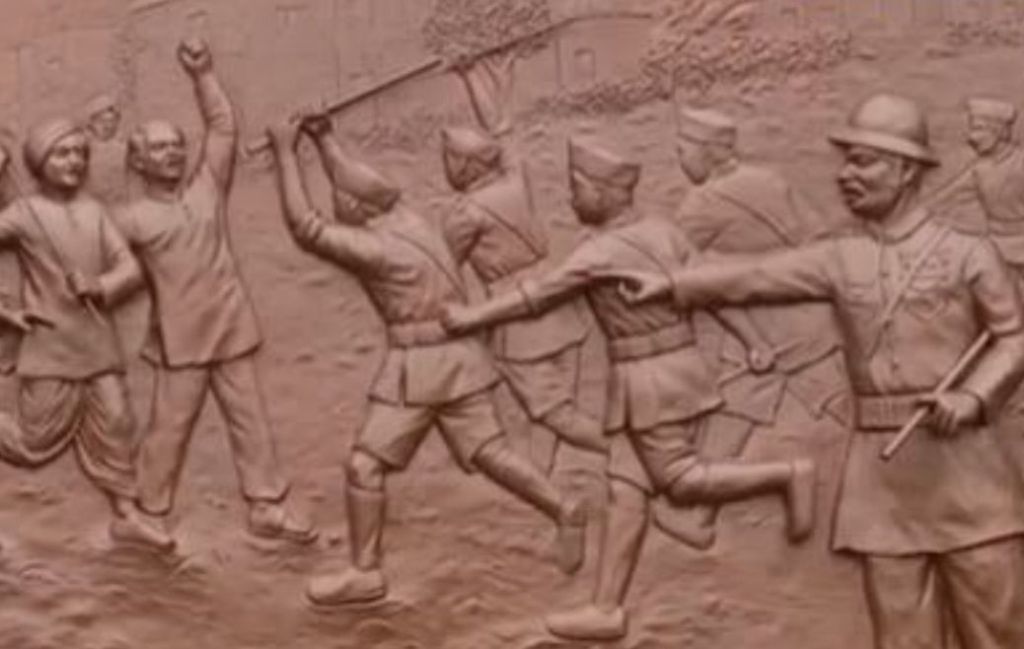
- Even though Congress leaders kept urging for peace, the unrest persisted through May 7 and continued on May 8. On that day, some protesters headed towards Rupa Bhavani, where there were toddy (palm wine) trees. Mahatma Gandhi was a staunch advocate of prohibition, and as part of his satyagraha (non-violent resistance), he had called for the cutting down of toddy trees. Upon hearing this, the youth rushed towards the area. When the police inspector Napet got wind of it, he brought two lorries of police officers to the scene. Soon after, Collector Henry Knight and Superintendent of Police Playfair also arrived, as the crowd was large, and it was crucial to stop them from cutting down the trees. The police tried to do so, but their path was blocked by stones and tree branches. The police arrested nine people, and the crowd demanded their release. As this demand wasn’t met, the crowd became agitated. Mallappa Dhanashetty arrived at the scene and insisted on the release of the arrested individuals.
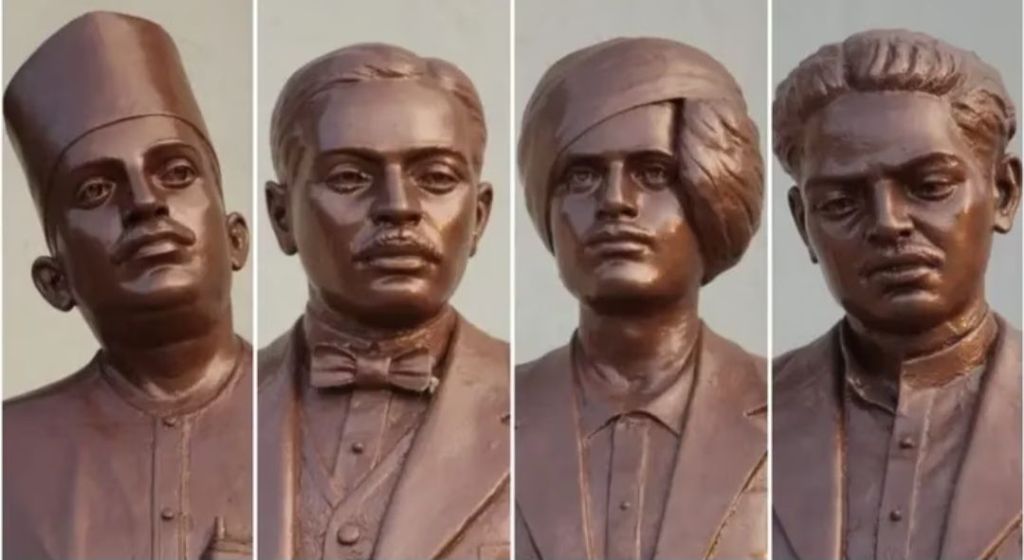
- Due to these events, on May 12, the British imposed martial law in Solapur. Under this law, many were prosecuted. In undivided India, Solapur (in Maharashtra) and Peshawar (now in Pakistan) were the only two cities where the British implemented the draconian “martial law.” In this Solapur uprising, the British accused four patriots—Mallappa Dhanashetty, Kisan Sarda, Jagannath Shinde, and Qurban Hussain—of the murder of British officers and sentenced them to death. On January 12, 1931, these four patriots were hanged at Yerwada Jail (Pune). This is the thrilling history of Solapur’s contribution to the Indian freedom struggle.
भारतीय स्वातंत्र्याचा इतिहास हा क्रांतिकारकांच्या बलिदानाचा यज्ञकुंड म्हणूनच ओळखला जातो. ब्रिटिशांची दीडशे वर्षांची जुलमी राजवट उलथवून टाकण्यासाठी महात्मा गांधींच्या नेतृत्वाखाली सुरू झालेल्या अहिंसावादी सत्याग्रहाच्या बरोबरच क्रांतिकारकांच्या सशस्त्र उठावाने इंग्रजांना सळो की पळो करून सोडले होते. १९३० मध्ये सोलापूरमध्ये देशभक्तांनी उग्र आंदोलन करीत ब्रिटिश अधिकाऱ्यांना शहरातून पळवून लावत सोलापूरला स्वतंत्र केले होते. चार दिवस सोलापूरकरांनी स्वातंत्र्य अनुभवले होते. अशाप्रकारची एकमेव घटना भारतीय स्वातंत्र्याच्या इतिहासात नोंदवून सोलापूरच्या राष्ट्राभिमानी नागरिकांनी भारताच्या स्वातंत्र्यापूर्वी १७ वर्षे अगोदर चार दिवस आपले शहर स्वतंत्र केले होते. भारतीय स्वातंत्र्याच्या इतिहासातील हे एकमेव उदाहरण आहे. माझ्या शहराच्या स्वातंत्र्याची ही घटना मला कायमच मंत्रमुग्ध आणि प्रेरित करते.
- भारतातील ब्रिटीशांच्या राजवटीमध्ये चार दिवसांचे स्वातंत्र्य उपभोगणारा सोलापूर हे एकमेव शहर आहे. ती घटना सोलापुरात १९३० साली घडली. सोलापूर मध्ये लोकांचा उठाव एवढा जोरदार होता, की सोलापुरातील ब्रिटिश अधिका-यांना पळून जावे लागले. एकही ब्रिटिश अधिकारी शहरात चार दिवस नव्हता. सोलापूरच्या कार्यकर्त्यांनी त्या चार दिवसांत पर्यायी सरकार स्थापन केले. ते सरकार कायमसाठी अभिप्रेत होते, पण ब्रिटिशांनी गावात लष्करी कायदा पुकारून ते सरकार आणि जनतेचा उठाव मोडून काढला. भारताच्या स्वातंत्र्यलढ्यात लष्करी कायदा पुकारला जाण्याचा तो एकमेव प्रसंग. पंडित नेहरू त्यामुळे सोलापूरला ‘शोला’पूर म्हणत असत.
- ब्रिटिशांनी महात्मा गांधींना गुजरातेत ४ मे १९३० रोजी अटक केली. ती बातमी सोलापुरात येऊन थडकली. लोकांच्या मनात गांधीजींच्या अटकेबद्दल चीड निर्माण झाली. काँग्रेसचे नेते रामकृष्ण जाजू यांनी टिळक चौकात ६ मे १९३० रोजी जाहीर सभा घेतली आणि महात्मा गांधींच्या अटकेची बातमी जाहीर केली. त्यांनी जनतेला शांततेचे आवाहन केले होते, पण तरीही चिडलेल्या जनतेच्या मनाचा उद्रेक झाला. तो आधी संपाच्या रूपाने प्रकट झाला. गिरणी कामगारांनी संप पुकारून छोट्या छोट्या मिरवणुका काढल्या. त्यात महिलांचीही मिरवणूक होती. मिरवणुका ब्रिटिश पोलिसांनी अडवल्या. संतप्त जमावाकडून पोलिसांशी चकमकी झडल्या. शहरात अन्य ठिकाणीही मिरवणुका निघाल्या.जमावाने दारूच्या दुकानांचीही नासधूस केली. ती दुकाने बंद करण्यात आली. मिरवणुका आणि सरकारविरोधी घोषणाबाजी यांचे सत्र जारी राहिले.
- काँग्रेसच्या नेत्यांनी शांततेचे आवाहन केले असूनही हुल्लडबाजीचे प्रकार सुरूच राहिले. तो प्रकार ७ मे रोजीही सुरू होता.८ मे रोजी आंदोलन सुरू असताना त्यामधील आंदोलक रूपा भवानीकडे धावले. तेथे ताडीची झाडे होती. महात्मा गांधी हे कट्टर दारूबंदीवादी होते. त्यामुळे त्यांच्या सत्याग्रहाच्या कार्यक्रमात ताडीची झाडे तोडण्याचा आदेश होता. म्हणून ते तरुण तिकडे धावले होते. ती गोष्ट कळताच पोलीस निरीक्षक नॅपेट दोन लॉ-या भरून पोलीस घेऊन तिकडे गेला. काही वेळांत कलेक्टर हेन्री नाईट आणि पोलीस अधीक्षक प्लेफेअर हेही तेथे आले. कारण जमाव मोठा होता आणि त्याला झाडे तोडण्यास प्रतिबंध करणे गरजेचे होते. पोलीस तसा प्रयत्न करत होते, पण त्यांच्या वाटा दगड आणि झाडाच्या फांद्या आडव्या टाकून अडवण्यात आल्या होत्या. त्यावर पोलिसांनी नऊजणांना पकडले. जमावाने त्यांना सोडण्याची मागणी केली. ती मागणी मान्य होत नसल्याने जमाव प्रक्षुब्ध झाला. ती बातमी कळताच मल्लप्पा धनशेट्टी तेथे आले. त्यांनीही पकडलेल्या नऊजणांना सोडण्याचा आग्रह धरला.
-
वरील अनेक गोष्टींमुळे चवताळलेल्या ब्रिटिशांनी १२ मे रोजी तेथे मार्शल लॉ लागू केला. सोलापुरातील अनेकांवर त्यावेळी मार्शल लॉ या कायद्याने अनेक लोकांवर कारवाई करण्यात आली. ब्रिटिशांनी आपल्या राजवटीत अखंड भारतात फक्त सोलापूर (महाराष्ट्र) आणि पेशावर (सध्या हे शहर पाकिस्तानात आहे) या दोन शहरातच "मार्शल लॉ" हा काळा कायदा लागू केला होता. सोलापूरच्या नागरिकांनी केलेल्या या उठावात ब्रिटिश अधिकाऱ्यांच्या हत्येचा आरोप ठेवून मल्लप्पा धनशेट्टी, किसन सारडा, जगन्नाथ शिंदे आणि कुर्बान हुसेन या चार देशभक्तांना फाशीची शिक्षा सुनावली. १२ जानेवारी १९३१ रोजी या चौघा देशभक्तांना येरवडा कारागृहात (पुणे) फाशी देण्यात आली. हाच स्वातंत्र्यलढ्यातील सोलापूरचा रोमांचकारी इतिहास आहे.
:-Mukund Madhukar Hingne.
 avatibhavati.com
यावर आपले मत नोंदवा