Are you a good judge of character?
I believe the process of becoming a keen observer of others’ personalities begins in childhood. At night, when we lie next to our grandparents, we listen to the stories they tell us until we fall asleep. The characters from those stories reflect in our dreams. Most of us have experienced this to some extent. Tales of fairies, princes, witches, and demons gradually nurture our ability to observe imaginative personalities.
Later, in our youth, we develop the habit of observing the diverse personalities around us. I think this is the natural process of becoming a writer. The skill of a writer lies in creating characters in stories that bridge the gap between imagination and reality.
- My childhood was spent in a rural area, while my college education and career took place in urban settings. This journey from underdeveloped to developed, and from illiterate to educated social strata, introduced me to a wide variety of personalities to observe. Some of these personalities had a long-lasting impact on me. Later, the quirks, mannerisms, and speaking styles of these individuals helped me create new imaginary characters in my writing.
- In my opinion, whether it is a short story, novel, or playwriting, any writer needs to build strong characters while presenting a compelling narrative. In fact, that is the true skill of a writer. Especially in plays, the writer must convey the storyline to the audience through various personalities and situations. Those who excel at this become popular writers.
- The ability to observe personalities is a divine gift. God has bestowed this gift upon everyone. However, only those who make use of this ability are recognized as artists. We writers strive to develop this skill further, driven by our own creative ambitions. The more minutely we observe a personality, the more intricately we depict these observations through fictional characters in our stories.
- Ultimately, we are magicians who trap reality in the realm of imagination!

“व्यक्तिमत्वाचा चांगला निरीक्षक असल्यानेच नाट्यलेखक झालोय…!”
मला वाटतं, इतरांच्या व्यक्तिमत्वाचा चांगला निरीक्षक होण्याची प्रक्रिया ही बालवयात सुरू होते. रात्री आपल्या आजी-आजोबांच्या जवळ झोपताना ते सांगतात ती गोष्ट झोप लागे पर्यंत आपण ऐकतो. त्या गोष्टीतील व्यक्तिमत्व आपल्याला स्वप्नात प्रतिबिंबित होतात. हा अनुभव प्रत्येकानेच कमी-अधिक प्रमाणात घेतलेला असतो. परीच्या कथा, राजकुमाराची गोष्ट, चेटकीण, राक्षसाची गोष्ट यातूनच कल्पनेतील व्यक्तिमत्व निरीक्षणाची प्रक्रिया विकसित होत जाते. मग तरुण वयात अवती-भवती असणाऱ्या वेगवेगळ्या व्यक्तिमत्वाचे निरीक्षण करण्याची सवय लागते. मला वाटतं लेखक होण्याची हीच तर नैसर्गिक प्रक्रिया आहे. वास्तवाशी जवळीक साधणारे कल्पनेतील व्यक्तिमत्व कथानकातून उभे करणे हेच लेखकाचे कौशल्य असते.
- माझं बालपण हे ग्रामीण भागातून तर महाविद्यालयीन शिक्षण आणि नोकरी हे शहरी भागात झाल्याने अविकसित ते विकसित आणि अशिक्षित ते शिक्षित समाजस्तरातून आजवरचा प्रवास झाल्याने अनेक प्रकारचे व्यक्तिमत्व मला निरीक्षणासाठी भेटले. त्यातील काही व्यक्तिमत्वाचा माझ्यावर दीर्घकाळ असा प्रभाव देखील पडला. पुढे त्या व्यक्तिमत्वाच्या लकबी, बोलण्याची ढब याचा आपल्या लेखनातील व्यक्तिमत्वात उपयोग करत नवे काल्पनिक व्यक्तिमत्व उभारण्यास मला मदत होवू लागली.
- माझ्या मते कथा-कादंबरी असो किंवा नाट्यलेखन असो, कोणत्याही लेखकाला सशक्त कथानकबरोबरच त्याची मांडणी करताना कथेतील सशक्त व्यक्तिमत्व उभारण्याची खरी गरज असते. नव्हे तेच खरे कौशल्य असते. विशेषतः नाटकातून त्याला विविध व्यक्तिमत्वांच्या माध्यमातून प्रसंगांद्वारे प्रेक्षकांना कथानक सांगायचे असते. ज्यांना हे जमते ते लोकप्रिय लेखक ठरतात.
- व्यक्तिमत्वाचे निरीक्षण ही ईश्वरीय देणगी आहे. परमेश्वराने ती देणगी सर्वांनाच दिलेली आहे. फक्त जो या शक्तीचा उपयोग करतो तो कलासक्त म्हणून ओळखला जातो इतकेच. आम्ही लेखक मंडळी ही शक्ती अधिक विकसित करण्याचा प्रयत्न करतो. त्यात आमचा स्वार्थ दडलेला असतो. जितक्या बारीक तपशीलांसह आम्ही एखाद्या व्यक्तिमत्वाचे निरीक्षण करू तेव्हढ्याच तपशिलासह आम्ही लेखक आमच्या काल्पनिक कथेतून बेमालूमपणे ही निरीक्षण केलेली व्यक्तिमत्वे रेखाटत असतो.
- शेवटी आभासी जगात वास्तवाला कोंडून ठेवणारे आम्ही जादूगारच…..!
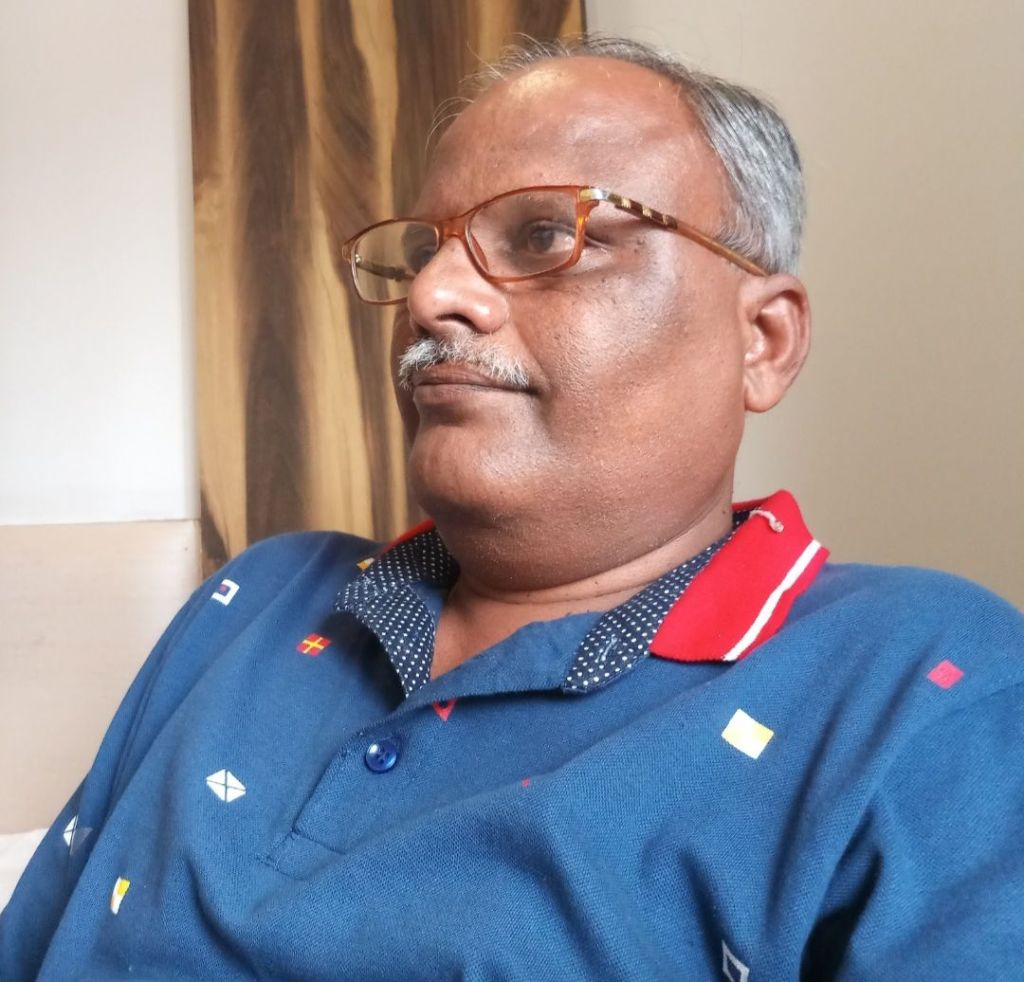
:-Mukund Madhukar Hingne.
 avatibhavati.com
Leave a reply to veerites उत्तर रद्द करा.