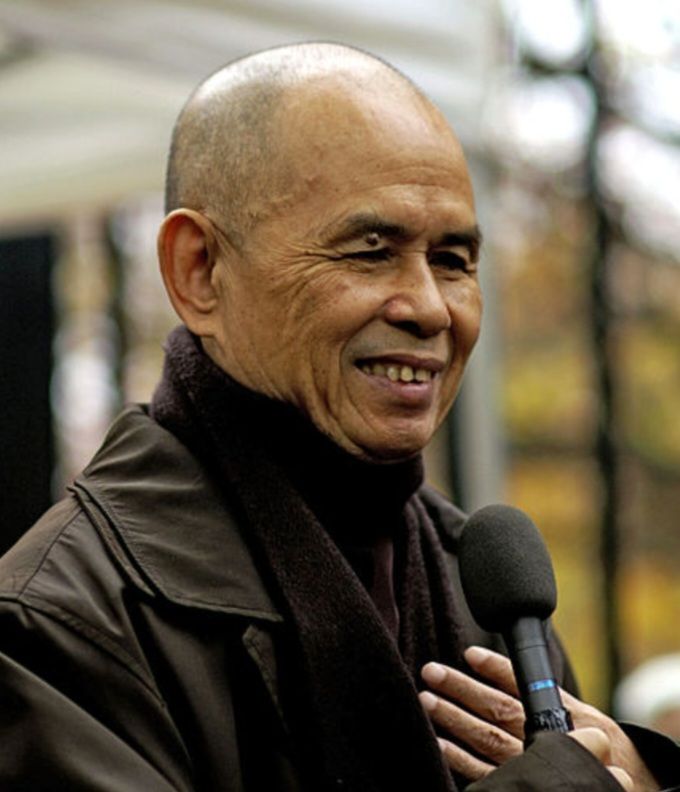
The Vietnamese Thien Buddhist monk Thich Nhat Hanh became globally recognized in the 1960s as the father of the mindfulness movement. According to him, “If you have the opportunity to live in a loving and understanding environment where the seeds of compassion and kindness are nurtured daily, you naturally grow into a more loving person.”
We are always drawn to the company of loving individuals. We often expect everyone to treat us with love and compassion. Many times, being around a loving person influences us to develop a sense of compassion toward others, sometimes even unconsciously. However, this is often temporary. After a while, we revert to our original nature. Why does this happen? It’s because, although compassion and kindness are innate qualities in humans, their nurturing requires understanding and strong values.

- If you are nurtured in the company or environment of a loving person, your behavior naturally reflects compassion and kindness. Similarly, if you are influenced by a cruel individual or a negative, chaotic environment, cruelty begins to shape your character. This doesn’t require any profound philosophy to understand. While both cruelty and kindness are innate human traits, the one that develops depends on the values and upbringing a person receives.
- About 10–12 years ago, an incident occurred in my neighborhood that left a lasting impression on my mind. Since I witnessed it firsthand, it remains vividly etched in my memory.
- Street food stalls had encroached upon the footpath of the main road adjacent to my society. One day, the anti-encroachment squad of the municipal corporation took action and began demolishing these stalls using a bulldozer. The stall owners were pleading with the officers to spare their stalls. At that moment, a 12-year-old boy, who worked as a waiter at one of the stalls, picked up a sharp, pointed piece of tile and attacked a municipal officer. Within moments, the officer collapsed onto the road, covered in blood.
- The injured officer was immediately rushed to the hospital, and the police took the boy into custody, sending him to a juvenile correctional facility. For the gathered crowd, the matter ended there. However, I was haunted by the question: Where did such cruelty come from in such a young boy? I decided to investigate the root of the issue.
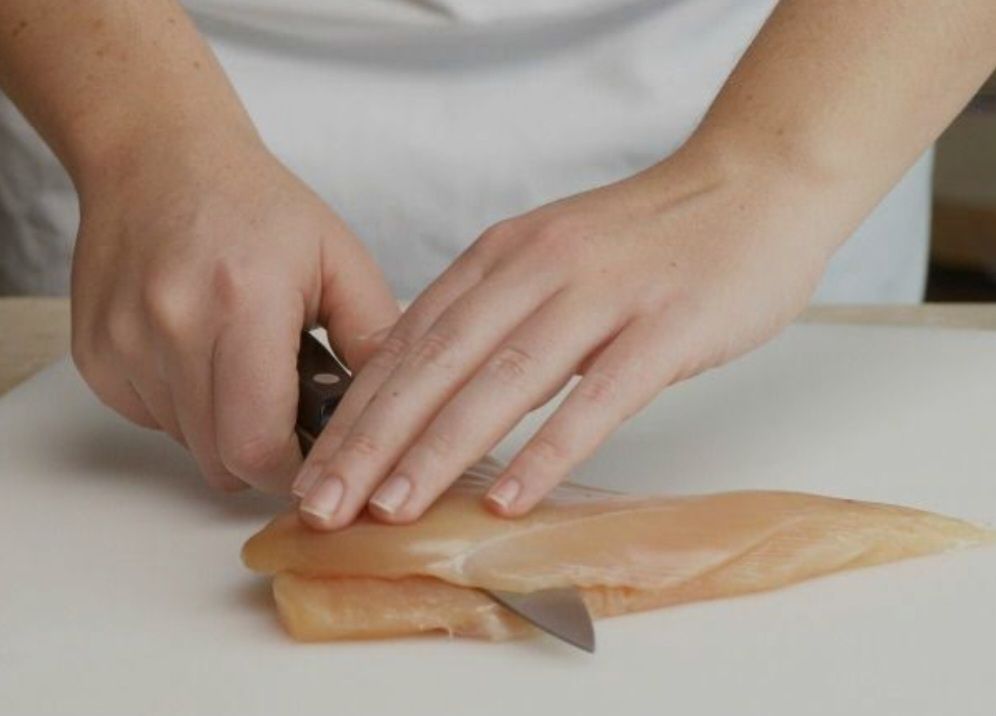
- The boy was an orphan, deprived of education, and worked as a waiter at the Chinese food stall to survive. The stall owner, who lived in a slum, had arranged for the boy and other workers to live in his shack. These children worked at the stall from morning until midnight. Over time, they became accustomed to chopping chicken and mutton for non-vegetarian Chinese dishes using sharp knives. Unknowingly, cruelty was ingrained in them.
- The essence of the story is this: while both cruelty and compassion are innate human traits, it is the upbringing and values instilled in an individual that determine who they become.
” समजूतदारपणा आणि संस्कारातूनच प्रेमळ व्यक्ती तयार होतो…!”
व्हिएतनामी थिअन बौद्ध भिक्षू थिच न्हाट हान्ह हे साठच्या दशकात माईंडफुलनेस चळवळीचे जनक म्हणून जगभरात ओळखले गेले. त्यांच्या मते, "जर तुम्हाला प्रेमळ, समजून घेणाऱ्या वातावरणात राहण्याची संधी मिळाली, जिथे करुणा, दयाळूपणाच्या बीजांकुराला रोज पाणी दिले जाते, तर तुम्ही अधिक प्रेमळ व्यक्ती बनता ".
आपल्याला नेहमीच प्रेमळ व्यक्तीचा सहवास आवडत असतो. आपल्याशी प्रत्येकाने प्रेमाने, दयाबुध्दीने वागावे अशीच आपली धारणा असते. बऱ्याचवेळा प्रेमळ व्यक्तीच्या सहवासातून त्याच्या प्रभावामुळे आपल्यामध्ये कळत नकळत इतरांबद्दल दयाभाव निर्माण होतात, पण ते तात्कालिक असतात. काही क्षणानंतर आपण पुन्हा आपल्या मूळ स्वभावानुसार वागतो. हे असं का बरं होत असेल ? तर दयाबुद्धी आणि करुणा ही स्थिती माणसांच्या जन्मजात अंगीभूत असली तरी तिचे संगोपन होण्यासाठी समजूतदारपणा आणि संस्काराची नितांत गरज असते.
- प्रेमळ व्यक्तीच्या सहवासात किंवा वातावरणात तुमच्यावर संस्कार झाले तर तुमच्या व्यवहारातून देखील करुणा आणि दयाळूपणा निर्माण झाल्याचे जाणवते. तेच एखादया क्रूर व्यक्तीच्या सहवासात किंवा अशांत आणि अस्थिर अशा नकारात्मक वातावरणात तुमच्यावर क्रूरतेचे संस्कार होतात हे सांगायला कुठल्या तत्वज्ञानाची गरज नाही. क्रौर्य आणि दयाळूपणा हे दोन्हीही गुण माणसाच्या जन्मजात अंगी असले तरी कोणता गुण विकसित होतो हे त्या व्यक्तीला मिळालेल्या संस्कारात दिसते.
- एक साधारण दहा-बारा वर्षांपूर्वीची माझ्या राहत्या परिसरातील घटना आहे. माझ्या समोरच घडलेली घटना असल्यामुळे माझ्या मेंदूत ठळकपणे कोरलेली आहे. माझ्या सोसायटीच्या लगत असलेल्या मुख्य रस्त्याच्या फुटपाथवर अतिक्रमण करून स्ट्रीट फुडचे स्टॉल लावलेले असतात. या स्टॉलवर महानगरपालिकेच्या अतिक्रमण विरोधी पथकाने त्यादिवशी कारवाई केली. बुलडोजरने सर्व स्टॉल पाडण्यात येत होते. सर्व स्टॉलधारक महापालिका अधिकाऱ्यांची मनधरणी करत होते. नेमके त्याचवेळी एका स्टॉलवर वेटरचे काम करणाऱ्या अवघ्या १२ वर्षे वयाच्या मुलाने हातात तीक्ष्ण टोकदार फरशीचा तुकडा घेवून महापालिका अधिकाऱ्यावर हल्ला चढविला. काही क्षणातच तो अधिकारी रक्तबंबाळ होवून रस्त्यावर कोसळला.
- पुढे त्या जखमी अधिकाऱ्याला तातडीने हॉस्पिटलमध्ये दाखल केले. पोलिसांनी त्या मुलाला ताब्यात घेवून त्याची रवानगी बाल सुधारगृहात केली. जमलेल्या गर्दीच्या दृष्टीने हा विषय तिथेच संपला. पण त्या लहान वयाच्या मुलामध्ये एव्हढे क्रौर्य कुठून आले ? हा प्रश्न मला सतावू लागला होता. मी त्या प्रकरणाच्या मुळाशी जाण्याचा प्रयत्न केला.
- शिक्षणापासून वंचित असलेला तो अनाथ मुलगा उपजीविकेसाठी चायनिजच्या स्टॉलवर वेटरचे काम करत होता. झोपडपट्टीत एका झोपडीत स्टॉलच्या मालकाने त्याच्याकडे काम करणाऱ्या मुलांची राहण्याची व्यवस्था केली होती. दिवसभर ते रात्री १२ पर्यंत ही मुले स्टॉलवर काम करायची. चायनीज नॉनव्हेज पदार्थासाठी लागणारे चिकन आणि मटणाचे तुकडे ते धारदार सुऱ्याने अगदी सवयीने करायला शिकले होते. इथेच कळत नकळत त्यांच्यावर क्रौर्याचे संस्कार झाले. सारांश हाच की क्रौर्य किंवा करुणा ही जन्मजात अंगी असली तरी तुम्हाला मिळणाऱ्या संस्कारावर ठरते की तुम्ही कोण आहात ?

:-Mukund Madhukar Hingne.
 avatibhavati.com
यावर आपले मत नोंदवा