What books do you want to read?
Recently, while working on investigative journalism, I had the opportunity to study some historical evidence (documents) that were around 250 years old. During this process, I realized how superficial my knowledge of history was. This experience sparked my interest in the subject of history.
Being a native Marathi speaker, I faced challenges in understanding historical scripts and languages such as Persian and Urdu. As a result, I focused on reading translated books and texts. Now, I wish to understand not just the history of Maharashtra but the medieval history of India as a whole.
To achieve this, I intend to gradually read all the available translated books step by step.
- The Solapur district in which I live (Maharashtra, India) holds significant historical importance. While writing about the last battle between the British and the Marathas that took place at Ashti (Taluka- Mohol) on February 20, 1818, I had to read several books on medieval history published in Marathi.
- Various Available Options:
I had to read translated chapters of the Solapur district Gazetteer written by British historians. I also came across some ancient documents in extremely fragile condition. This experience made me realize how limited my knowledge of language and history was. However, once you develop an interest in history, you gradually find ways to understand it. Despite the challenges posed by the Modi script and the languages of that era, I found some helpful alternatives. - Translated Texts and Research:
Many medieval documents and source materials are now available in Devanagari (Marathi) and English. Some scholars and institutions have published translations of these texts. I discovered this treasure trove through sources like the Maharashtra State Archives, the Bharat Itihas Sanshodhak Mandal, and the Deccan College websites. - Overview Books:
I came across several insightful books that provide an overview of medieval history, such as “Marathyanchya Itihas” (History of the Marathas) by G.S. Sardesai (translated version), historical novels by Ranjit Desai (Shriman Yogi, Swami), and Marathi summaries of information available in English works by Jadunath Sarkar. - Need for More Reading:
I have developed a keen interest in reading more books that shed light on the reigns of the Mughals, Marathas, and Rajputs during medieval India. My curiosity drives me to continuously seek out historical books that provide deeper insights into this period.
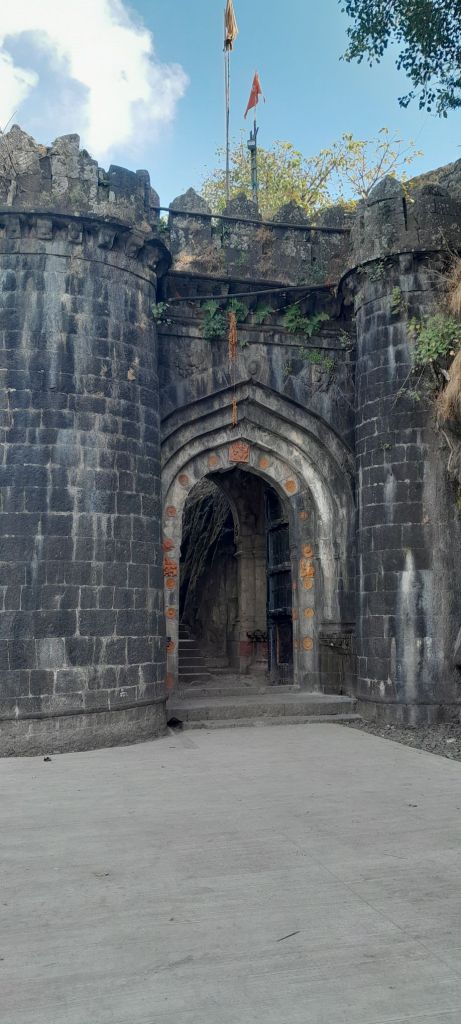
“भारताच्या मध्ययुगीन इतिहासाची पुस्तके वाचायची आहेत….!”
अलीकडेच मला शोध पत्रकारिता करत असताना अडीचशे वर्षांपूर्वीची काही ऐतिहासिक पुरावे (दस्तऐवज) अभ्यासण्याची वेळ आली होती. त्यावेळी आपले इतिहासाविषयीचे ज्ञान किती बाळबोध स्वरूपाचे आहे, हे लक्षात आले. त्यानंतर मला इतिहास या विषयात आवड निर्माण झाली. मुळात मी मराठी भाषिक असल्याने इतिहासकालीन लिपी आणि फारसी, उर्दू भाषा येत नसल्याने भाषांतरीत ग्रंथ, पुस्तके वाचण्यावर लक्ष केंद्रित केले. आता मला फक्त महाराष्ट्राचा नाही तर भारताचा मध्ययुगीन इतिहास समजून घ्यायचा आहे. त्या करीत टप्प्या-टप्प्याने भाषांतरीत केलेली मिळतील ती पुस्तके वाचण्याचा माझा मानस आहे.
- मी राहतो त्या सोलापूर जिल्ह्याला (महाराष्ट्र, भारत.) ऐतिहासिक महत्त्व आहे. आष्टी (ता.-मोहोळ) येथे २० फेब्रुवारी १८१८ मध्ये झालेल्या ब्रिटिश आणि मराठ्यांच्या शेवटच्या युद्धाच्या ऐतिहासिक घटनेवर लिखाण करताना मला मराठी भाषेतून प्रसिद्ध असलेली मध्ययुगीन कालखंडातील इतिहासाची पुस्तके वाचावी लागली.
- अनेक पर्याय उपलब्ध :-
ब्रिटिश इतिहासकारांनी लिहिलेले सोलापूर जिल्ह्याच्या गॅझेटची काही प्रकरणे भाषांतरीत करून वाचावी लागली. जुने काही दस्तऐवज अतिशय जीर्णावस्थेतील पहायला मिळाली. यातून माझे भाषा आणि इतिहासाबद्दलचे किती बाळबोध ज्ञान आहे हे लक्षात आले. पण एकदा तुम्हाला इतिहासाची आवड निर्माण झाली की मग तो समजून घेण्याचे मार्गही तुम्हाला सापडतात. मोडी लिपी आणि तत्कालीन भाषेचा अडसर असला तरी काही पर्याय माझ्या मदतीला आले. - अनुवादित ग्रंथ आणि संशोधन :-
मध्ययुगीन कालखंडातील अनेक कागदपत्रे आणि साधनग्रंथ आता देवनागरी (मराठी) आणि इंग्रजीत उपलब्ध आहेत. काही अभ्यासक आणि संस्था त्यांचे अनुवाद प्रकाशित करतात. ह्या खजिन्याची मला माहिती मिळाली. महाराष्ट्र राज्य अभिलेखागार, भारत इतिहास संशोधन मंडळ आणि डेक्कन कॉलेज अशा संस्थांच्या संकेतस्थळावर याची माहिती मिळाली. - सिंहावलोकन मांडणारी पुस्तके :-
मध्ययुगीन कालखंडाचे सिंहावलोकन मांडणारी जी.एस.सरदेसाई यांचे ” मराठ्यांचा इतिहास”(अनुवादित आवृत्ती), रणजित देसाई यांच्या ऐतिहासिक कादंबऱ्या (श्रीमानयोगी, स्वामी), जदुनाथ सरकार यांच्या इंग्रजीत उपलब्ध असलेल्या माहितीचे मराठीतील टिपण आदी संदर्भ ग्रंथसंपदा नजरेखालून घालायला मिळाली. - अधिक पुस्तकांचे वाचन हवे :-
भारतातील मध्ययुगीन कालखंडातील मुघल, मराठा, राजपूत यांच्या राजवटीवर प्रकाशझोत टाकणाऱ्या ऐतिहासिक पुस्तकांचे वाचन करण्याची ओढ लागली आहे. जिज्ञासा म्हणून मी सतत त्या कालखंडातील माहिती देणारे ऐतिहासिक पुस्तक शोधत असतो.
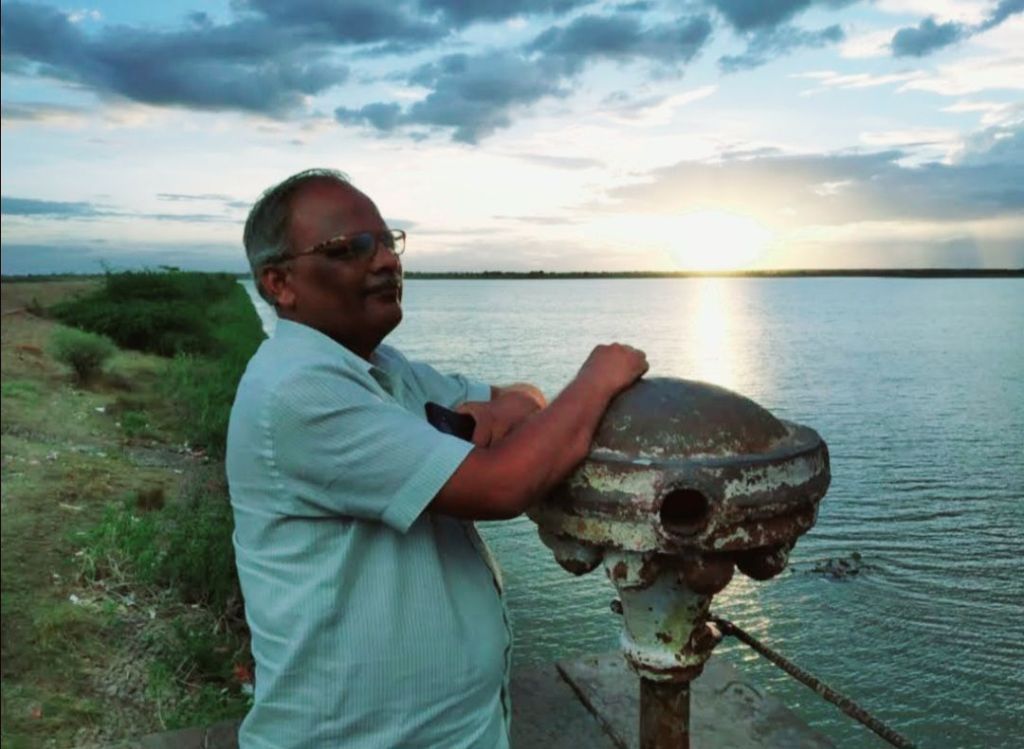
:-Mukund Madhukar Hingne.
 avatibhavati.com
Leave a reply to This is Jotham उत्तर रद्द करा.