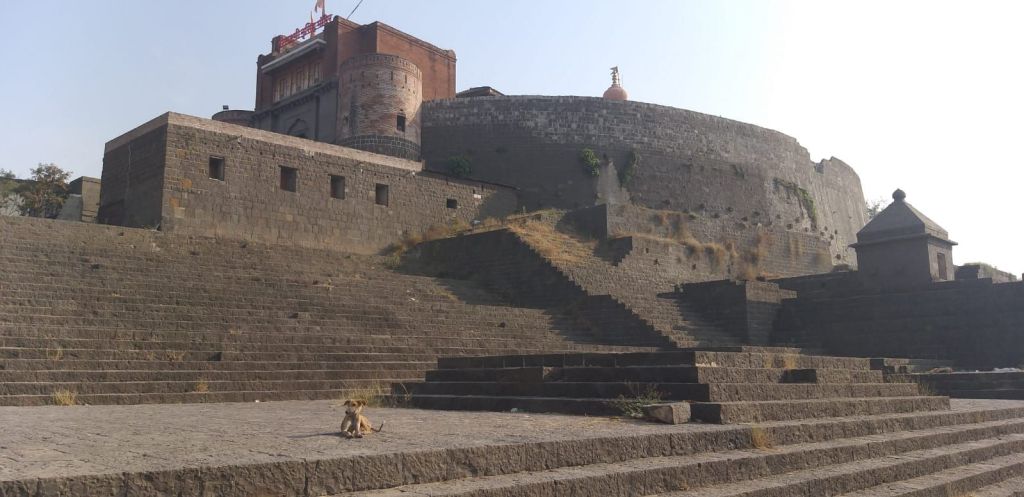
Yesterday, on January 29, being “Mauni Amavasya,” I went to “Neera-Narsinghpur” with friends to bathe at the confluence of the rivers. Although I am not a follower of orthodox beliefs in Hinduism, I do respect religion. I genuinely appreciate certain concepts in Hindu scriptures that are used for mental peace and purification of the mind. These practices have been beneficial to me. Hence, I performed the ritual bath at the confluence of the Neera and Bhima rivers yesterday. This, however, raised eyebrows among some of my progressive friends, who felt that this act promotes superstition. While I am secular, I am certainly not against any religion.
The purpose of religious rituals is not only to preserve traditions but also to achieve self-improvement. If we understand the science and philosophy behind them and embrace them, they can teach us to transform not just externally but also internally. Therefore, believing in religious rituals that bring positive changes within oneself is beneficial.
Religious rituals are not merely a part of tradition or customary practices; they can serve as a guide to bring physical, mental, and spiritual positivity into our lives. Here are some key reasons why accepting religious rituals for self-improvement is beneficial:
- Bringing Positivity to One’s Thoughts:
Through religious rituals, practices like meditation, chanting, prayer, or performing Aarti are undertaken. These activities calm the mind, provide relaxation, and instill positivity in one’s thoughts.
Example: Daily prayers during worship plant seeds of good thoughts for one’s life.
- Cultivating Discipline and Regularity:
Religious rituals emphasize discipline and regularity. This helps streamline time management in daily life and fosters good habits.
Example: The habit of lighting a lamp in the evening is not just a religious act but also a way to bring the family together.
- Boosting Self-Confidence:
Studying rituals and understanding their scientific reasoning enhances self-confidence. Such religious practices inspire proper thinking and actions.
- Reducing Stress in Life:
During religious rituals, the burden of mental worries is lightened. Entrusting one’s desires to the divine during prayer brings inner peace, which is crucial for mental well-being.
- Nurturing Social Bonds:
Religious rituals often involve communal activities (e.g., worship, festivals, fairs), which bring people together. This helps in staying connected to the community and provides mutual support for positive change.
- Promoting Spiritual Growth:
Through religious rituals, one seeks self-awareness and the true meaning of life. These practices provide strength to overcome challenges in life.
“स्वतःमध्ये चांगले बदल घडविणाऱ्या धार्मिक विधींवर विश्वास ठेवावा…!”
काल २९ जानेवारी रोजी “मौनी अमावस्या” असल्याने मी मित्रांसमवेत नदीच्या संगमावर स्नान करण्याच्या हेतूने “नीरा-नरसिंहपूर” येथे गेलो होतो. मी हिंदू धर्मातील सनातनी विचारांचा अनुयायी नसलो तरी मी धर्माला मानणारा आहे. हिंदू धर्मशास्त्रातील मनःशांती आणि मन शुद्धीकरणासाठी उपयोगात आणल्या जाणाऱ्या काही संकल्पना मला खरंच आवडतात. त्यापासून मला फायदा देखील होतो. म्हणून मी काल नीरा-भीमा नदीच्या संगमावर “स्नान” केले. त्यामुळे माझ्याच काही पुरोगामी मित्रांच्या भुवया उंचावल्या. ही अंधश्रध्देला खतपाणी घालणारी कृती आहे असे त्यांना वाटले. मी निधर्मी असलो तरी कोणत्याही धर्माचा विरोधी नक्कीच नाही.
धार्मिक विधींचा हेतू परंपरा जोपासण्याबरोबरच आत्मोन्नती साधणे हा आहे. त्यामागील विज्ञान आणि तत्वज्ञान समजून घेवून जर आपण त्यांचा स्वीकार केला, तर ते आपल्याला केवळ बाह्यतः नाही तर अंतःकरणातून बदलायला शिकवतात. त्यामुळेच, "स्वतःमध्ये चांगले बदल घडविणाऱ्या धार्मिक विधींवर विश्वास ठेवणे" हे फायद्याचे आहे.
धार्मिक विधी हे फक्त परंपरा, रूढी-परंपरेचा भाग नसून, ते आपल्या जीवनात शारीरिक, मानसिक, आणि आध्यात्मिक सकारात्मकता आणण्यासाठी मार्गदर्शक ठरू शकतात. “स्वतःमध्ये चांगले बदल घडविण्यासाठी धार्मिक विधींचा स्वीकार करावा” यामागे काही महत्त्वाचे मुद्दे आहेत:
१. स्वतःच्या विचारांत सकारात्मकता आणणे :-
धार्मिक विधींच्या माध्यमातून ध्यान, मंत्रोच्चार, प्रार्थना किंवा आरती केली जाते. या प्रक्रियांमुळे मन शांत होते, आत्मविश्रांती मिळते, आणि विचारांमध्ये सकारात्मकता येते.
उदा. – दररोज पूजा करताना केलेली प्रार्थना स्वतःच्या जीवनासाठी चांगल्या विचारांची पेरणी करते.
२. शिस्त व नियमितता निर्माण करणे :-
धार्मिक विधींमध्ये शिस्त आणि नियमिततेला महत्त्व दिले जाते. यामुळे आपल्या दैनंदिन जीवनातही वेळेचे नियोजन सुटसुटीत होते, आणि आपल्यामध्ये चांगल्या सवयी रुजतात.
उदा. – संध्याकाळी दिवा लावण्याची सवय केवळ धार्मिक नसून कुटुंबात एकत्र येण्याचा संदेश देते.
३. आत्मविश्वास वाढवणे :-
विधींचा अभ्यास, त्यामागील वैज्ञानिक कारणे समजून घेतल्यास आपल्यामध्ये आत्मविश्वास वाढतो. हे धार्मिक आचरण आपल्याला योग्य विचारसरणी आणि कृतीसाठी प्रेरित करते.
४. जीवनातील ताण कमी करणे :-
धार्मिक विधींच्या वेळेस मनाच्या चिंतांचे ओझे कमी होते. प्रार्थनेच्या वेळी आपल्या इच्छा परमेश्वरावर सोपवल्यामुळे आत्मिक शांतता मिळते, जी मानसिक आरोग्यासाठी अत्यंत महत्त्वाची आहे.
५. सामाजिक बांधिलकी जोपासणे :-
धार्मिक विधींमध्ये सामूहिक स्वरूपाचे कार्यक्रम (उदा. पूजा, सण, जत्रा) हे लोकांना एकत्र आणतात. यामुळे समाजाशी जोडलेले राहणे सोपे जाते, आणि सकारात्मक बदल घडविण्यासाठी एकमेकांना आधार मिळतो.
६. आध्यात्मिक विकास :-
धार्मिक विधींच्या माध्यमातून आत्मज्ञान व जीवनाचे खरे अर्थ समजून घेण्याचा प्रयत्न होतो. हे जीवनातील अडचणींवर मात करण्यासाठी आधार देतात.

:-Mukund Madhukar Hingne.
 avatibhavati.com
यावर आपले मत नोंदवा