Write about your approach to budgeting.
Budgeting is an essential tool for financial management. Properly creating a budget makes it easier to achieve financial stability and long-term goals. However, saying that this textbook-like idealistic concept serves as a guide for middle-class salaried individuals is quite laughable.
For them, the only steady income is their fixed but meager salary. They rarely have any surplus funds to invest in creating additional sources of irregular income. As a result, they spend their entire lives merely dreaming about such possibilities.
Despite carefully planning their monthly budget, they often struggle financially by the last week of the month.
Since I started working, for the past 30 years, I have always planned my monthly expenses in advance. However, in my personal experience, expenses never actually stay within the planned budget.

Even though salary increments happen from time to time, inflation and lifestyle costs continue to rise. This is where the middle class gets stuck.

If you belong to the middle class, you will definitely relate to what I’m saying.
My Approach to Budgeting
- Analysis of Income and Expenses:
While creating a budget, I first conduct a detailed analysis of my income and expenses.
Fixed Income: A fixed salary received from my job.
Irregular Income: Bonuses or any special cash rewards.
Regular Expenses: Rent, electricity bill, mobile and internet charges, milk bill, and monthly groceries.
Irregular Expenses: Travel, medical expenses, and special occasion-related costs.
- Priority to Savings:
I always prioritize savings while planning my budget. However, I have never been able to save effectively.
Emergency Fund: I always dream of setting aside an amount equivalent to three to six months of expenses, but this goal remains unfulfilled.
Important Expenses: I was unable to allocate a fixed amount for education or vehicle purchases, so I had to take small loans from time to time and repay them.
- Categorization and Limitation of Expenses:
I try to set limits on each expense and categorize them accordingly:
Essential Expenses: Housing, food, and healthcare.
Important but Less Urgent Expenses: Travel, entertainment, and personal hobbies.
Non-Essential Expenses: Expensive items, unnecessary shopping, and excessive dining out.
- Budget Review and Adjustments:
Every month, I review my budget and make changes as needed. However, due to a lack of surplus funds, I have never been able to make smart investments.
I identify unnecessary expenses and try to reduce them.
I prioritize my expenses and check whether they align with my long-term goals.
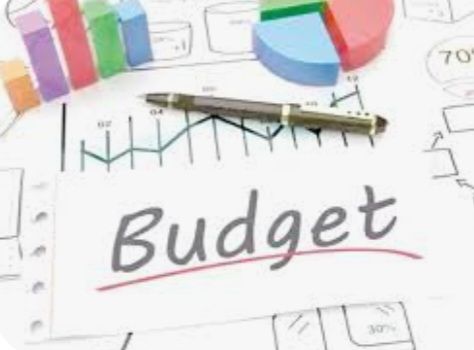
“उत्पन्न कमी आणि आवश्यक खर्च जास्त; हेच तर दुखणे असते…!”
अंदाजपत्रक हे आर्थिक व्यवस्थापनातील महत्वाचे साधन आहे. योग्य प्रकारे बजेट तयार केल्यास आर्थिक स्थिरता आणि दीर्घकालीन उद्दिष्टे साध्य करणे सोपे होते. हे पुस्तकातील आदर्शवत वाटणारा मजकूर मध्यमवर्गीय नोकरदारांच्या आयुष्यात मार्गदर्शक ठरतो असं म्हणणं अगदीच हास्यास्पद आहे. कारण नोकरीतून मिळणारे स्थिर पण तुटपुंजे वेतन एव्हढीच त्याची शाश्वत कमाई असते. अनियमित उत्पन्नाचे स्रोत तयार करण्यासाठी त्याच्याजवळ शिलकी रक्कम उरतच नाही. त्यामुळे इतर अनियमित उत्पन्नाबाबत तो आयुष्यभर “खयाली पुलाव” तयार करत असतो. प्रत्येक महिन्याचं बजेट तयार करूनही त्याला महिन्याच्या शेवटच्या आठवड्यात आर्थिक ओढाताणीला सामोरे जावे लागते.
नोकरीला सुरुवात केल्यापासून गेल्या ३० वर्षात मी प्रत्येक महिन्यात किती खर्च करायचा याचा ताळेबंद आधीच तयार ठेवतो. पण ताळेबंदाप्रमाणे खर्च आटोपता होत नाही, हा माझा व्यक्तिगत अनुभव आहे. वेळोवेळी वेतनवाढ मिळत असली तरी महागाई आणि जीवनशैली वाढत जाते. मध्यमवर्गीय यातच अडकतो. तुम्ही मध्यमवर्गीय असाल तर माझं म्हणणं तुम्हाला नक्कीच पटेल.
माझा अंदाजपत्रक नियोजनाचा दृष्टिकोन
१. उत्पन्न आणि खर्च यांचे विश्लेषण :-
बजेट तयार करताना सर्वप्रथम माझ्या उत्पन्नाचा आणि खर्चाचा सखोल अभ्यास करतो.
- स्थिर उत्पन्न: नोकरीतून मिळणारा ठराविक आकड्यातील पगार.
- अनियमित उत्पन्न: बोनस, एखादी विशेष रोख स्वरूपातील बक्षिसी.
- नियमित खर्च: घरभाडे, वीजबिल, मोबाईल आणि इंटरनेट खर्च, दुधाचे बिल, महिनाभरासाठी लागणारा किराणा.
- अनियमित खर्च: प्रवास, वैद्यकीय खर्च, विशेष प्रसंगी होणारा खर्च.
२. बचतीला प्राधान्य :
अंदाजपत्रक तयार करताना सर्वात आधी बचतीला महत्त्व देतो. मात्र बचत कधीच करू शकलेलो नाही.
- तत्काळ गरजेसाठी बचत (Emergency Fund): तीन ते सहा महिन्यांचा खर्च भागेल एवढी रक्कम वेगळी ठेवण्याचे नेहमीच स्वप्न पहातो. पूर्ण कधीच होत नाही.
- महत्त्वाच्या खर्चांसाठी : शिक्षण, वाहन खरेदी यांसाठी ठराविक रक्कम बाजूला ठेवणे शक्य झाले नाही म्हणून वेळोवेळी छोटी कर्जे काढली आणि ती फेडली.
३. खर्चाचे वर्गीकरण आणि मर्यादा :
प्रत्येक खर्चाला काही मर्यादा घालतो आणि त्याचे वर्गीकरण करतो:
- आवश्यक खर्च: राहण्याची व्यवस्था, जेवण, आरोग्यसेवा.
- महत्त्वाचे पण कमी तातडीचे खर्च: प्रवास, मनोरंजन, वैयक्तिक छंद.
- गैर-आवश्यक खर्च: महागड्या वस्तू, अनावश्यक खरेदी, बाहेरचे अतिरेकी खाणे.
४. बजेटचे पुनरावलोकन आणि सुधारणा :
दरमहा बजेटचे पुनरावलोकन करतो आणि गरजेनुसार बदल करतो. कारण शिलकी अभावी कधीच स्मार्ट गुंतवणूक करू शकत नाही.
- अनावश्यक खर्च ओळखतो आणि तो कमी करण्याचा प्रयत्न करतो.
- खर्चाच्या प्राथमिकता ठरवतो आणि दीर्घकालीन उद्दिष्टांशी ते जुळतात का हे तपासतो.
:-Mukund Madhukar Hingne.
 avatibhavati.com
Leave a reply to Cadeegirl Gee उत्तर रद्द करा.