Anger is like a storm—sudden, intense, and sometimes destructive. It lies deep within us and erupts with great force when the right conditions arise. This emotion is completely natural, but controlling it is essential, as unchecked anger can negatively impact our relationships, mental well-being, and overall life.
Anger should not take control of us; instead, we must learn to control it. By practicing techniques such as focusing on our breath, responding thoughtfully, and engaging in self-reflection, we can effectively manage our anger. Just as a storm eventually calms down, anger too subsides when handled with the right approach, helping us lead a more balanced life.
How Does Anger Erupt?
The process of anger is similar to a storm.
1) Trigger:
An event, person, or situation tests our patience.
2) Reaction:
The mind starts responding to the event, emotions become unstable, heart rate increases, and the body experiences tension.
3) Outburst:
If not controlled in time, anger turns into aggression—through words, actions, or thoughts.
4) Aftermath:
Once anger subsides, feelings of regret, guilt, or stress often follow.
Managing Anger by Focusing on Breath
The initial reaction to anger is usually aggressive. However, if we pause for a moment and focus on our breath, handling the situation becomes easier.
A) Pause and Breathe:
Take a deep, slow breath.
Count to five in your mind and exhale slowly.
Repeat this process three to five times.
B) Try to Relax Your Body and Mind:
Identify areas of tension in your body and consciously relax them.
Try to quiet the internal dialogue running in your mind.
C) Identify the Root of Your Anger:
Recognize the true cause of your anger.
Is your anger really directed at the other person, or is it a result of an internal fear or insecurity?
D) Analyze the Situation:
Try to view the event objectively.
If possible, consider the situation from the other person’s perspective.
E) Respond Instead of Reacting:
Decisions made in the heat of anger are often wrong.
Instead of reacting instantly, take a thoughtful and measured approach.
Transforming Anger into Positivity
Rather than letting anger be destructive, it can be channeled as a source of energy.
If something goes against your values, find a constructive way to bring about change.
Engage in physical activity—walking, running, or exercising can help calm anger.
Express your emotions through writing, art, or music.
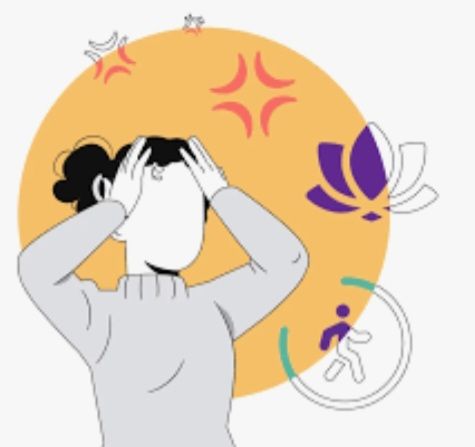
“समजूतदारपणा दाखवुनच रागावर नियंत्रण मिळविता येते…!”
राग हा एका वादळासारखा असतो—अचानक उसळणारा, उग्र आणि कधी कधी विध्वंसक. तो आपल्या आत खोलवर दडलेला असतो आणि योग्य परिस्थिती मिळताच प्रचंड वेगाने बाहेर येतो. हा भाव अत्यंत नैसर्गिक आहे, पण त्यावर नियंत्रण ठेवणे महत्त्वाचे आहे, कारण अनियंत्रित राग आपल्या नातेसंबंधांवर, मानसिक स्वास्थ्यावर आणि एकूणच जीवनावर विपरीत परिणाम करू शकतो.
संतापाने आपल्यावर ताबा मिळवू नये; उलट आपण त्याला नियंत्रित करायला शिकलं पाहिजे. श्वासकडे लक्ष केंद्रित करणे, विचारपूर्वक प्रतिक्रिया देणे, आणि आत्मपरीक्षण करणे या तंत्रांचा सराव केल्यास आपण आपल्या रागावर प्रभावीपणे नियंत्रण मिळवू शकतो. अगदी वादळ जसं शांत होतं, तसाच रागही योग्य दृष्टिकोनातून हाताळल्यास शांत होतो आणि आपल्याला अधिक समतोल जीवन जगण्यास मदत करतो.
राग कसा उसळतो?
रागाची प्रक्रिया ही एका वादळासारखी असते.
१) संकेत (Trigger) : एखादी घटना, व्यक्ती किंवा परिस्थिती आपल्या संयमाची परीक्षा पाहते.
२) प्रतिक्रिया (Reaction) :
मन त्या घटनेला प्रतिसाद देऊ लागते, भावना चंचल होतात, हृदयाची गती वाढते, आणि शरीर तणावग्रस्त होते.
३) स्फोट (Outburst) :
जर योग्य वेळी नियंत्रण मिळवले नाही, तर राग आक्रमकतेत परिवर्तित होतो—शब्दांनी, कृतींनी किंवा विचारांनी.
४) परिणाम (Aftermath) :
राग शांत झाल्यावर पश्चात्ताप, अपराधीपणाची भावना किंवा तणाव जाणवतो.
रागावर नियंत्रण मिळवण्यासाठी श्वासावर लक्ष केंद्रित करणे :
राग आल्यावर पहिली प्रतिक्रिया बहुतेकदा आक्रमक असते, पण जर आपण थोडा थांबलो आणि आपल्या श्वासाकडे लक्ष दिले, तर परिस्थिती हाताळणे सोपे जाईल.
अ) थांबा आणि श्वास घ्या :
एक दीर्घ, खोल श्वास घ्या.
मनोमन ५ पर्यंत मोजा आणि श्वास हळूहळू सोडा.
हा प्रक्रिया तीन ते पाच वेळा करा.
ब) शरीर आणि मन शांत करण्याचा प्रयत्न करा :
तुमचे शरीर कुठे ताठर झाले आहे, याकडे लक्ष द्या आणि ते सैल करण्याचा प्रयत्न करा.
तुमच्या मनात चालू असलेला संवाद थांबवण्याचा प्रयत्न करा.
क) रागाच्या मुळाशी जा :
तुमच्या रागाचे मूळ कारण ओळखा. हा राग खरोखर समोरच्या व्यक्तीवर आहे का ?, की तो तुमच्या आतल्या एखाद्या भीतीचा किंवा असुरक्षिततेचा परिणाम आहे?
ड) स्थितीचे आकलन करा :
जे घडले ते तटस्थपणे पाहण्याचा प्रयत्न करा.
जर शक्य असेल, तर दुसऱ्या व्यक्तीच्या दृष्टिकोनातून विचार करा.
इ) प्रतिसाद (Reaction) न देता प्रत्युत्तर (Response) द्या :
रागाच्या भरात घेतलेले निर्णय बहुतेकदा चुकीचे असतात.
त्यामुळे तत्काळ प्रतिसाद देण्याऐवजी विचारपूर्वक कृती करा.
राग सकारात्मकतेत रूपांतरित करा
रागाचा नाशक दृष्टीकोन टाळून तो ऊर्जा म्हणून वापरणे शक्य आहे.
जर एखादी गोष्ट तुमच्या तत्वांना धक्का देत असेल, तर ती बदलण्यासाठी योग्य मार्ग शोधा.
शारीरिक हालचाल करा—चालणे, धावणे किंवा व्यायाम करणे राग शांत करण्यात मदत करू शकते.
तुमच्या भावनांना व्यक्त करण्यासाठी लेखन, कला किंवा संगीताचा उपयोग करा.

:-Mukund Madhukar Hingne.
 avatibhavati.com
Leave a reply to ManiKripaD उत्तर रद्द करा.