In Hinduism, which upholds religious traditions, there are two major ideological groups: orthodox (Sanatani) and non-religious (Nidharma). Alongside these, there exists a third group that adopts a more convenient lifestyle, balancing both perspectives. This group takes pride in being Hindu but does not favor religious rigidity. They can be referred to as pragmatic Hindus.
Now, with Maha Shivaratri approaching on February 26, the age-old debate resurfaces—should one observe a complete fast by abstaining from all food, or should one consume fasting-approved foods? Though this discussion is not new, social media is once again buzzing with differing opinions.
Whether to observe a fast by completely abstaining from food or by consuming certain foods depends entirely on an individual's faith, physical condition, and personal choice. Some can manage a waterless fast, while for others, it may be difficult. Therefore, instead of adopting an extreme approach, choosing a balanced path would help fulfill the true purpose of fasting.
Fasting is not observed solely for religious or spiritual reasons; it is also considered significant for body purification, mental discipline, and overall health. However, the debate over “What is the true meaning of fasting?” and “Should it be observed by completely abstaining from food or by consuming certain permitted foods?” has been ongoing for years.
*The Fundamental Meaning of Fasting :-
In Sanskrit, the word Upavasa means ‘to stay close to God’ (Upa – near, Vasa – to reside). In traditional religious contexts, fasting is a way to cleanse the mind and body by exercising control over food consumption. There are various fasting methods—some involve complete abstinence from both food and water, while others allow the intake of fruits or specific permitted foods.
*Fasting Without Any Food (Dry/Absolute Fasting) :-
This is the strictest form of fasting, where a person refrains from consuming anything, including water, for the entire day. Some people observe this type of fast out of religious devotion, while others do so for physical purification.
*Benefits :-
- Body Detoxification :- Fasting without any intake gives the digestive system rest and helps eliminate toxins from the body.
- Mental Discipline :- It strengthens willpower and keeps the mind stable.
- Spiritual Experience :- Many believe that such rigorous fasting helps them develop a stronger connection with God.
*Drawbacks :-
- Physical Strain :- Some individuals may experience weakness, headaches, or dizziness due to prolonged fasting.
- Extremely Challenging :- Particularly in hot weather or for those engaged in physically demanding tasks, complete fasting can be difficult.
- Not Suitable for Everyone :- This type of fasting can be harmful to individuals with diabetes, high blood pressure, or gastric issues.
*Fasting While Consuming Specific Foods :-
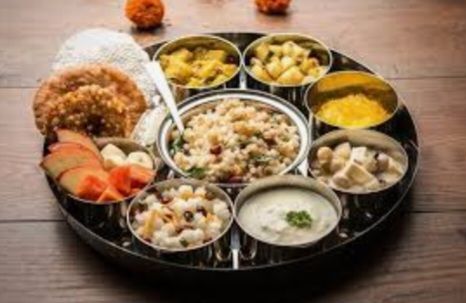
This method is more common in India. Instead of eating regular meals, people consume fruits, milk, sago (sabudana), peanuts, potatoes, amaranth (rajgira), and barnyard millet (samak rice).
*Benefits :-
- Maintains Energy Levels :- The body receives necessary energy, preventing fatigue and weakness.
- More Practical :- This method is convenient for those managing work and daily responsibilities.
- Health Benefits :- When done correctly, fasting with permitted foods can be beneficial to health.
*Drawbacks :- - Deviation from Purpose :- Some people indulge in rich and fried foods under the guise of fasting, defeating its original purpose.
- Lack of Control Over Intake :- Sometimes, fasting meals can be more calorie-dense than regular food.
*How Should Fasting Be Observed? :-
- The primary goal of fasting is to purify the body and mind, so extreme approaches should be avoided.
- If complete fasting is not possible, opt for a light and simple diet.
- Fasting should not be done in a way that harms the body.
- Fasting is not just about abstaining from food; it also involves self-discipline in thoughts, speech, and actions.

“उपवास : काहीही न खाता करावा की उपवासाचे पदार्थ खाऊन करावा….!”
धार्मिक परंपरांचे संवर्धन करणाऱ्या हिंदू धर्मामध्ये सनातनी आणि निधर्मी हे जसे दोन विचाराप्रवाहांचे गट आहेत. तसाच या दोन्ही विचाराप्रवाहतून सोयीस्कर जीवनशैली स्वीकारणारा आणखी एक तिसरा विचारप्रवाह देखील आहे. त्याला हिंदू धर्मीय असल्याचा अभिमान वाटतो पण धर्माचरणातील कट्टरता त्याला नकोशी वाटते. फार तर त्याला आपण सोयिस्करवादी हिंदू म्हणूयात. आता २६ फेब्रुवारीला महाशिवरात्र आलीय. त्या पार्श्वभूमीवर ईश्वराचे चिंतन करताना पूर्णपणे अन्न वर्ज्य करून उपवास करावा की उपवासाला चालणारे पदार्थ खाऊन उपवास करावा हा वाद कितीही जुना असला तरी सोशल मीडियावर पुन्हा नव्याने चघळला जात आहे.
उपवास पूर्ण उपाशी राहून करावा की काही पदार्थ खाऊन करावा, हे पूर्णतः व्यक्तीच्या श्रद्धा, शरीरसंपदा आणि वैयक्तीक निर्णयावर अवलंबून आहे. काहींना निर्जल उपवास शक्य असतो, तर काहींना तो त्रासदायक ठरतो. त्यामुळे अतिरेकी दृष्टिकोन न ठेवता मध्यम मार्ग स्वीकारावा, म्हणजे उपवासाचा खरा हेतू साध्य होईल.
उपवास हा केवळ धार्मिक किंवा आध्यात्मिक कारणांसाठी केला जात नाही, तर तो शरीरशुद्धी, मानसिक शिस्त आणि आरोग्यदृष्ट्याही महत्त्वाचा मानला जातो. मात्र, “उपवासाचा खरा अर्थ काय?” आणि “तो पूर्ण उपाशी राहून करावा की काही विशिष्ट पदार्थ खाऊन करावा?” यावर वर्षानुवर्षे वाद सुरू आहेत.
उपवासाचा मूलभूत अर्थ :-
संस्कृत भाषेत उपवास या शब्दाचा अर्थ ‘ईश्वराच्या अधिक जवळ जाणे’ असा होतो (उप – जवळ, वास – राहणे). पारंपरिक धार्मिक संदर्भात उपवास म्हणजे भोजनावर नियंत्रण ठेवून मन आणि शरीर शुद्ध ठेवण्याचा एक मार्ग आहे. उपवासाच्या विविध पद्धती आहेत – काही ठिकाणी पाणीही न पिता उपवास केला जातो, तर काही ठिकाणी फलाहार किंवा ठराविक पदार्थ खाण्याची मुभा असते.
पूर्ण उपाशी राहण्याचा उपवास (निर्जळ/निर्ग्रंथ उपवास) :-
ही उपवासाची सर्वांत कठोर पद्धत आहे. यात संपूर्ण दिवस काहीही न खाणे आणि पाणीही न पिणे अपेक्षित असते. काहीजण या पद्धतीचा अवलंब धार्मिक श्रद्धेपोटी करतात, तर काहीजण शारीरिक शुद्धतेसाठी करतात.
फायदे :-
- शरीरशुद्धी :- काहीही न खाल्ल्याने पचनसंस्थेला विश्रांती मिळते आणि शरीरातील विषारी घटक बाहेर टाकले जातात.
- मानसिक शिस्त :- इच्छाशक्ती वाढते आणि मन स्थिर राहते.
- धार्मिक आणि आध्यात्मिक अनुभव :- अनेकांना असे वाटते की अशा कठोर उपवासामुळे त्यांचे ईश्वराशी अधिक चांगले नाते जडते.
तोटे :-
- शरीरावर ताण :- काही लोकांना अशा उपवासामुळे अशक्तपणा, डोकेदुखी किंवा चक्कर येण्याचा त्रास होतो.
- अत्यंत कठीण :- विशेषतः उन्हाळ्यात किंवा जड शारीरिक काम करणाऱ्यांसाठी पूर्ण उपाशी राहणे अवघड असते.
- सर्वांसाठी योग्य नाही :- मधुमेह, रक्तदाब, गॅस्ट्रिक समस्या असणाऱ्यांसाठी हा उपवास हानिकारक ठरू शकतो.
उपवासाचे पदार्थ खाऊन उपवास :-
ही पद्धत भारतात सर्वसामान्य आहे. यात नियमित अन्न न घेता फळे, दूध, साबुदाणा, शेंगदाणे, बटाटा, राजगिरा, समेच्या तांदळाचे पदार्थ यांसारखे उपवासाचे पदार्थ खाल्ले जातात.
फायदे :-
- ऊर्जा टिकून राहते: शरीराला आवश्यक ऊर्जा मिळत राहते, त्यामुळे थकवा आणि अशक्तपणा जाणवत नाही.
- कठोर उपवासाची गरज नाही: कामाच्या ठिकाणी किंवा दैनंदिन जबाबदाऱ्या सांभाळताना हा पर्याय सोयीस्कर असतो.
- आरोग्यास पूरक: योग्य पदार्थ घेतल्यास उपवास शरीरासाठी फायदेशीर ठरतो.
तोटे :-
- किंचित स्वार्थी दृष्टिकोन: काही लोक उपवासाच्या नावाखाली गोडधोड आणि तळलेले पदार्थ खातात, ज्यामुळे उपवासाचा उद्देशच फोल ठरतो.
- अन्नावर नियंत्रण राहत नाही: काही वेळा उपवासातील पदार्थ नियमित आहारापेक्षा जास्त कॅलरीयुक्त असतात.
खरा उपवास कसा असावा? :-
- उपवासाचा मूळ उद्देश शरीर व मन शुद्ध ठेवणे हा आहे. त्यामुळे कोणत्याही प्रकारे अतिरेक टाळावा.
- उपाशी राहणे शक्य नसेल, तर हलका आहार घ्यावा.
- शरीराला त्रास होईल, अशा प्रकारे उपवास करू नये.
- उपवास म्हणजे केवळ अन्नत्याग नव्हे, तर मन, वाणी आणि कर्म यांवरही संयम ठेवावा.
:-Mukund Madhukar Hingne.
 avatibhavati.com
Leave a reply to Nicholas K F Matte उत्तर रद्द करा.