Lately, I have kept my evenings free for myself. During this time, I do not take up any external work. The sole purpose behind this is to have a peaceful moment of solitude.
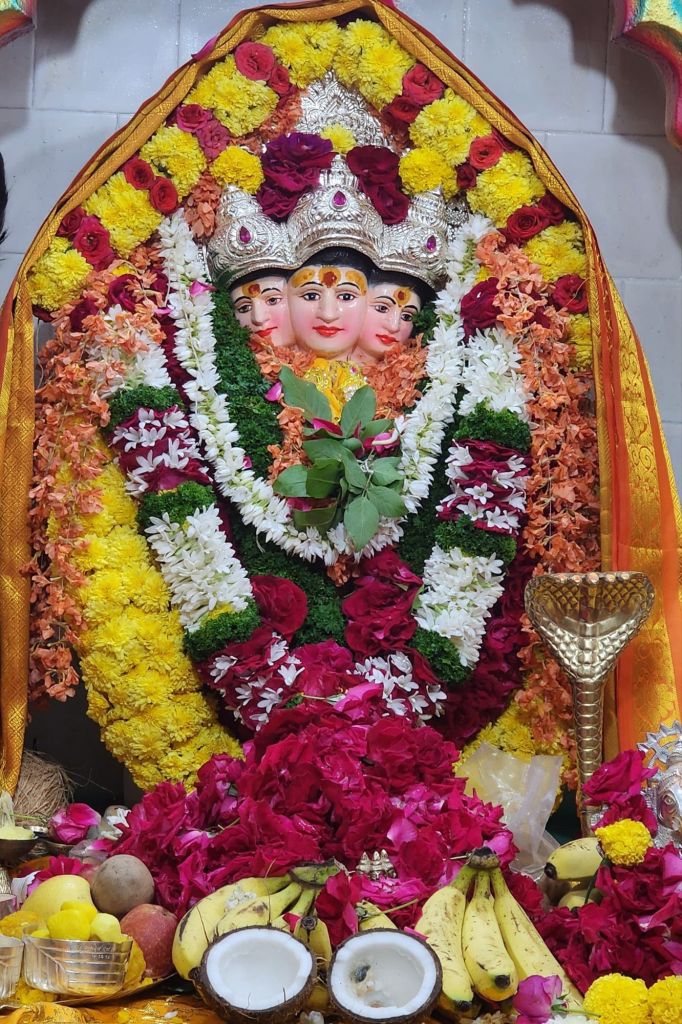
To achieve this, I have started visiting the nearby Dattatreya temple for darshan. Many people raise their eyebrows, wondering if I have embarked on the path of devotion. But what can I do? Until now, I have never shown unwavering devotion to anything other than work.
However, this does not mean that I do not believe in God. I have deep faith in Him, and that is why my feet naturally turn toward the temple.
Faith is what leads us to the temple, and the experience we have there is also a part of that faith.

* No matter how much one tries to find God through logic, He remains elusive.

* But when faith gives Him a place in the heart, He feels ever-present.


Thus, faith and experience go hand in hand, while logic remains an external observer of this connection.
- Faith and the Temple :-
A temple is not just a structure; it is a place filled with faith. When people visit a temple and look at the idol, they do not merely see a sculpture; they experience the divine presence. This is because of their faith.
- Without faith, the idol appears to be just a stone.
- With faith, the same stone feels like a living presence.
- This is why, despite the differences in places of worship across religions, faith remains their foundation.
- Experience: The Effect of Faith :-
Faith does not remain limited to external rituals; it deeply influences the inner self. When a person meditates with devotion, prays with closed eyes in a temple, or gets lost in the sound of bells, they undergo an internal transformation.
- Some feel a sense of peace upon entering a temple.
- Some are moved to tears, experiencing emotional relief.
- Some feel a mysterious presence, as if something beyond explanation exists.
This experience is purely a part of faith. No scientific experiment can prove that prayer lightens the heart, yet believers experience it firsthand.
- Logic and the Limits of Faith :-
- A rationalist asks, “Does God exist? Provide proof.” But faith transcends logic.
- Science tends to dismiss what it cannot see.
- Faith, on the other hand, does not accept the existence of something unless it can be felt.
From a scientific perspective, God’s existence cannot be proven, but neither can it be disproven. Just as emotions like love, happiness, and sorrow exist without being measurable in a laboratory, the existence of God cannot be quantified mathematically.
- The Influence of Faith on Society :-
- Faith is not just a religious concept; it forms the foundation of social structures.
- If people have faith in a leader, that leader gains immense influence.
- If one has faith in their parents, they grow up with strong values.
- If one has faith in their work, success follows.
When faith is positive, it enriches life. However, if it turns blind, it becomes superstition. Hence, how faith is utilized is of utmost importance.
“देव आहे….ही श्रद्धाच तुम्हाला देवळात घेऊन जाते…!”
अलीकडे संध्याकाळची वेळ मी माझ्यासाठी मोकळी ठेवली आहे. यावेळेत मी बाहेरचे कोणतेही काम हाती घेत नाही. निवांत घटकाभर शांतता मिळावी हाच त्यामागचा हेतू! त्यासाठी मी जवळच असलेल्या दत्त मंदिरात दर्शनासाठी जायला सुरुवात केली. मी भक्तिमार्गाला लागलो की काय ? या शंकेने अनेकांच्या भुवया उंचावतात. काय करणार…आजपर्यंत कामाशिवाय मी कडवी भक्ती कशावरच दाखविली नाही. याचा अर्थ असा नाही की मी देव मानत नाही. देवावर माझी नितांत श्रद्धा आहे, म्हणूनच माझे पाय मंदिराकडे आपोआप वळतात.
श्रद्धाच आपल्याला देवळात नेते, आणि तिथे आपल्याला जो अनुभव येतो, तो ही श्रध्देचाच एक भाग असतो.
* तर्काने देव शोधायचा प्रयत्न केला तरी तो सापडत नाही.
* श्रध्देने त्याला हृदयात जागा दिली की तो सतत सोबत असल्याचा भास होतो.
म्हणूनच, श्रद्धा आणि अनुभूती ही जोडगोळी आहे, तर तर्क हे त्या जोडगोळीचे बाह्य निरीक्षक आहेत.
१. श्रद्धा आणि देवालय :-
देवालय हे केवळ एक वास्तू नाही, तर श्रद्धेने भारलेले स्थान असते. देवळात जाणारे लोक मूर्तीकडे पाहतात, पण त्यांना तिथे केवळ शिल्प दिसत नाही; त्यांना त्यात परमेश्वराचा साक्षात्कार होतो. याचे कारण म्हणजे त्यांची श्रद्धा.
- जर श्रद्धा नसेल, तर मूर्ती केवळ एक दगड वाटेल.
- जर श्रद्धा असेल, तर त्याच दगडात जीवंत अस्तित्वाची अनुभूती मिळते.
- हेच कारण आहे की वेगवेगळ्या धर्मांत प्रार्थनेची ठिकाणे वेगवेगळी असली तरी त्यांचा आधार श्रद्धाच असतो.
२. अनुभूती: श्रद्धेचा परिणाम :-
श्रद्धा केवळ बाह्य कृतीत न रहाता अंतर्मनाला प्रभावित करते. जसे एखादा माणूस समर्पणाने ध्यान करतो, देवळात जाऊन डोळे मिटून प्रार्थना करतो किंवा घंटानादात गुंगून जातो, तसा तो स्वतःच्या आतून बदलतो.
- काहींना देवळात गेल्यावर शांतता मिळते.
- काहींना अश्रू येतात आणि मन हलके होते.
- काहींना तिथे उभे राहून “काहीतरी आहे” असे गूढ वाटते.
ही अनुभूती केवळ श्रद्धेचा भाग आहे. कोणीही शास्त्रीय प्रयोग करून हे सिद्ध करू शकत नाही की प्रार्थनेमुळे मन हलके होते, पण श्रद्धाळू व्यक्ती मात्र हे अनुभवतात.
३. तर्क आणि श्रद्धेची मर्यादा :-
- तर्कवादी माणूस म्हणतो की “देव आहे की नाही?” यावर पुरावे द्या. पण श्रद्धा ही तर्काच्या पलीकडे असते.
- विज्ञानाला न दिसणारी गोष्ट असत्य वाटते.
- श्रद्धेला न जाणवणारी गोष्ट अस्तित्वातच नाही असे वाटते.
विज्ञानाच्या दृष्टिकोनातून देवाचे अस्तित्व सिद्ध करता येणार नाही, पण म्हणून तो नाही असेही सिद्ध करता येणार नाही. जसे प्रेम, आनंद, दुःख या भावना आहेत पण त्यांना प्रयोगशाळेत मोजता येत नाही, तसेच देवाच्या अस्तित्वाचेही गणितीय प्रमाण नाही.
४. श्रद्धेचा प्रभाव आणि समाजव्यवस्था :-
- श्रद्धा फक्त धार्मिकच नसते, तर ती समाजव्यवस्थेचा पाया असते.
- एखाद्या नेत्यावर लोकांची श्रद्धा असेल, तर त्याचा प्रभाव मोठा असतो.
- आई-वडिलांविषयी श्रद्धा असेल, तर माणूस संस्कारी होतो.
- आपल्या कामावर श्रद्धा असेल, तर यश मिळते.
श्रद्धा सकारात्मक असेल, तर ती जीवन समृद्ध करते; पण आंधळी श्रद्धा असेल, तर ती अंधश्रद्धेत रूपांतरित होऊ शकते. म्हणूनच श्रद्धेचा उपयोग कसा करायचा, हे महत्त्वाचे आहे.
:-Mukund Madhukar Hingne.
 avatibhavati.com
यावर आपले मत नोंदवा