Yesterday, I came across a special report by an official water researcher regarding India’s potential water crisis. Uncontrolled population growth and natural irregularities are, of course, key factors contributing to the impending crisis. In addition, large-scale migration to cities, increasing river pollution, and the unregulated extraction of groundwater reserves pose significant threats that could lead to a severe water crisis in India over the next 25 years. Efforts to raise awareness about water conservation have begun among the urban and educated population. However, considering the pace and effectiveness of these efforts, only if the government enacts a dedicated law to strictly regulate water usage can we prevent the potential water crisis in the future.
At the current rate of water consumption, future India will face a severe water crisis. If water conservation and management are not implemented in time, India will be classified as a "water-scarce" country by 2050, impacting food security, industries, health, the environment, and the entire economy. Therefore, immediate action is necessary!
- The Current State of Groundwater and Water Reserves in India :-
India is considered a water-rich country, with its water supply dependent on monsoon-fed rivers, lakes, ponds, dams, and groundwater reserves. However, rapid population growth, urbanization, industrialization, and climate change have put immense pressure on these water resources.
A) Groundwater Sources and Their Depletion :-
Nearly 85% of rural and 50% of urban India relies on groundwater for drinking water.
Around 65% of agriculture depends on groundwater, causing a rapid decline in water levels across many regions.
In some states (e.g., Punjab, Haryana, Rajasthan, Gujarat, Uttar Pradesh), over-extraction of groundwater has led to water levels dropping 300-400 feet below the surface.
B) Surface Water Reserves (Rivers, Dams, Lakes) :-
India has 5,264 major dams and over 350 large rivers, but most of these rivers are seasonal, making them unreliable for year-round water supply.
Poor water management has led to sediment accumulation in dams, reducing their storage capacity.
Many small lakes and reservoirs are disappearing due to encroachment and lack of conservation efforts.
- The Future of Water Resources Amidst Rising Population :-
India’s population is expected to reach 1.6 billion by 2050, making water supply one of the biggest challenges.
A) Increasing Water Demand and Supply Strain :-
In 2000, India’s per capita water availability was 2,200 cubic meters, but it is projected to drop to 1,500 cubic meters by 2025 and 1,100 cubic meters by 2050, signaling a severe water crisis.
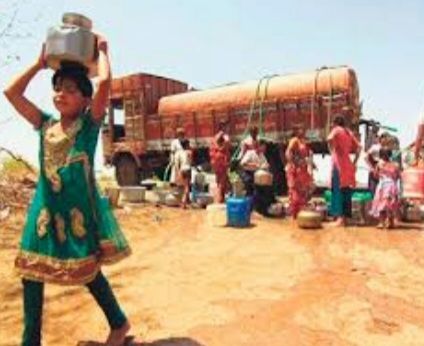
Major cities like Delhi, Bengaluru, and Chennai are already experiencing acute water shortages.
B) Climate Change and Its Impact on Water Resources :-
Global warming has led to unpredictable rainfall patterns, causing floods in some regions and droughts in others.
Glaciers in the Himalayas are melting at an alarming rate, which could severely impact long-term water flow in rivers like the Ganga and Brahmaputra.
- Future Solutions and Water Conservation Strategies :-
To prevent a future water crisis, immediate and effective measures must be taken.
A) Groundwater Recharge :-
Rainwater harvesting techniques should be implemented to increase groundwater absorption.
Mandatory rainwater harvesting should be enforced in all construction projects, with strict implementation.
Revival of wells, springs, streams, and lakes should be prioritized.
B) Water Usage Control and Recycling :-
Drip irrigation and sprinkler systems should be promoted in agriculture to reduce excessive water consumption.
Sewage treatment and water recycling should be implemented in cities for reuse in non-drinking applications.
C) Increasing Artificial Water Sources :-
Desalination plants can be a viable solution for water supply in coastal cities.
Large-scale afforestation can help increase rainfall and enhance groundwater recharge.
D) Government Policies and Public Participation :-
Effective implementation of government initiatives like Jal Shakti Abhiyan, Namami Gange, and River-Linking Projects is essential.
Public awareness campaigns like “Ek Boond – Ek Jaan” (One Drop – One Life) should be promoted to encourage water conservation as a collective responsibility.
Taking immediate action on these solutions is crucial to ensuring a water-secure future for India.
“भारताचा भूगर्भातील पाणीसाठा आणि जलस्रोत : संभाव्य आव्हाने…!”
काल माझ्या वाचनात एक भारतातील संभाव्य जलसंकटाबद्दल अधिकृत जल अभ्यासकाचा स्पेशल रिपोर्ट वाचनात आला. एकतर अनियंत्रित अशी लोकसंख्या वाढ आणि नैसर्गिक अनियमितता हे भविष्यकाळात संभाव्य जलसंकटाला पोषक ठरणारी कारणे तर आहेतच. याबरोबरच शहराकडे मोठ्या प्रमाणावर स्थलांतरित होणारे लोक, नद्यांमधील वाढते प्रदूषण, भूगर्भातील पाणीसाठ्यांचा अनियंत्रित पद्धतीने होणारा उपसा ही कारणे देखील आगामी पंचवीस वर्षात भारतासमोर जलसंकटाचा मोठा धोका निर्माण करणारी आहेत. याबद्दल शहरी आणि शिक्षित वर्गातून जल जागृतीचे प्रयत्न सुरू झाले आहेत. पण त्याची गती आणि परिणामकता पाहता सरकारनेच स्वतंत्र कायदा करून सक्तीने पाणी वापरावर नियंत्रण आणले तरच भविष्यात आपण संभाव्य जलसंकटाला रोखू शकतो.
सध्या ज्या वेगाने आपण पाणीवापर करतोय ते पाहता भविष्यातील भारताला गंभीर जलसंकटाचा सामना करावा लागेल. जर जलसंवर्धन व व्यवस्थापन योग्य वेळी केले नाही, तर २०५० पर्यंत भारत "जळदुष्काळ" असलेला देश म्हणून गणला जाईल, आणि त्याचा परिणाम अन्नसुरक्षा, उद्योग, आरोग्य, पर्यावरण आणि संपूर्ण अर्थव्यवस्थेवर होईल. त्यामुळे आत्ताच कृती करणे आवश्यक आहे !
१. भारतातील भूजल आणि जलसाठ्यांची सद्यस्थिती :-
भारत हा जलसंपत्तीच्या दृष्टीने समृद्ध देश मानला जातो. देशातील पावसावर आधारित नद्या, सरोवरे, तलाव, धरणे आणि भूजलसाठे यामुळे जलपुरवठा होतो. पण लोकसंख्या वाढ, शहरीकरण, औद्योगिकीकरण आणि हवामान बदलामुळे जलसंपत्तीवर मोठा ताण आला आहे.
अ) भूजल स्रोत आणि त्याचा उपसा :-
भारतातील जवळपास ८५% ग्रामीण भाग आणि ५०% शहरी भागाचा पिण्याच्या पाण्यासाठी भूगर्भातील पाण्यावर अवलंब आहे.
६५% शेतीसाठी भूजल वापरले जाते, परिणामी अनेक भागांत भूजलपातळी वेगाने खाली जात आहे.
काही राज्यांमध्ये (उदा. पंजाब, हरियाणा, राजस्थान, गुजरात, उत्तर प्रदेश) भूजलशोषण इतके जास्त आहे की तिथे पाणी ३००-४०० फूट खाली गेले आहे.
ब) पृष्ठीय जलसाठे (नदी, धरणे, तलाव) :-
भारतात सध्या ५,२६४ मोठी धरणे आणि ३५० पेक्षा जास्त मोठ्या नद्या आहेत, पण बहुतेक नद्या मोसमी असून त्यांचा विसंबून राहण्याजोगा पुरवठा नाही.
पाण्याच्या योग्य व्यवस्थापनाअभावी धरणे गाळाने भरत आहेत आणि त्यांची जलसाठवण क्षमता कमी होत आहे.
अनेक लहान तलाव आणि सरोवरे अतिक्रमणामुळे नष्ट होत आहेत.
२. वाढत्या लोकसंख्येच्या पार्श्वभूमीवर जलसंपत्तीचे भवितव्य :-
भारताची लोकसंख्या २०५० पर्यंत १.६ अब्ज होईल असा अंदाज आहे. या लोकसंख्येला पाणीपुरवठा करणे ही मोठी आव्हानात्मक जबाबदारी असेल.
अ) पाण्याचा वाढता मागणी-पुरवठा ताण :-
२००० मध्ये जलसंपत्ती प्रति व्यक्ति २२०० घनमीटर होती, पण ती २०२५ पर्यंत १५०० घनमीटर आणि २०५० पर्यंत ११०० घनमीटरपर्यंत घटण्याचा अंदाज आहे, जे ‘पाणी संकट’ दर्शवते.
दिल्ली, बेंगळुरू, चेन्नईसारख्या शहरांत आधीच पाण्याची टंचाई जाणवत आहे.
ब) हवामान बदल आणि जलस्रोतांवर प्रभाव :-
ग्लोबल वॉर्मिंगमुळे पावसाच्या अनियमितता वाढली आहे, परिणामी काही भागांत पूर आणि काही भागांत दुष्काळ असे टोकाचे परिणाम दिसतात.
हिमालयातील हिमनद्या झपाट्याने वितळत असल्याने गंगा, ब्रह्मपुत्रा यांसारख्या नद्यांवरील दीर्घकालीन परिणाम होऊ शकतो.
३. भविष्यातील उपाय आणि जलसंवर्धनाच्या दिशा :-
जर भविष्यात पाण्याची टंचाई टाळायची असेल, तर त्वरित प्रभावी उपाययोजना गरजेच्या आहेत.
अ) भूजल पुनर्भरण (Groundwater Recharge) :-
पावसाचे पाणी जमिनीत मुरवण्यासाठी जलसंधारण तंत्रांचा वापर करणे आवश्यक आहे.
बांधकामांमध्ये रेनवॉटर हार्वेस्टिंग बंधनकारक करणे आणि याची काटेकोर अंमलबजावणी करणे महत्त्वाचे आहे.
विहिरी, झरे, नाले आणि तलाव पुनर्जीवित करण्याच्या योजना राबवाव्या लागतील.
ब) जलवापर नियंत्रण आणि पुनर्वापर :-
शेतीमध्ये ठिबक (Drip Irrigation) आणि तुषार (Sprinkler Irrigation) सिंचन प्रणाली लागू केल्यास मोठ्या प्रमाणावर पाण्याची बचत होऊ शकते.
शहरांमध्ये सांडपाण्याचे प्रक्रिया करून ते पुन्हा वापरण्याच्या योजना (Water Recycling) प्रभावीपणे राबवाव्या लागतील.
क) कृत्रिम जलस्रोत वाढवणे :-
समुद्राच्या पाण्याचे गोडेकरण (Desalination Plants) मोठ्या शहरांसाठी उपयुक्त ठरू शकते.
मोठ्या प्रमाणावर झाडे लावून वनसंवर्धन केल्यास पर्जन्यवृष्टीत वाढ होऊन भूजल पुनर्भरणास मदत होईल.
ड) सरकारी धोरणे आणि समाजाची भूमिका :-
जलशक्ती अभियान, नमामि गंगे, नदी-जोड प्रकल्प यांसारख्या सरकारी योजनांची प्रभावी अंमलबजावणी करणे आवश्यक आहे.
“एक बूँद – एक जान” सारख्या जनजागृती मोहीम लोकांपर्यंत पोहोचवून जलसंवर्धनाची मानसिकता विकसित करावी लागेल.
:-Mukund Madhukar Hingne.
 avatibhavati.com
यावर आपले मत नोंदवा