Peace cannot be maintained solely through force or pressure. If fear, coercion, or oppression is used to sustain peace, it will only be temporary and will eventually lead to instability. True peace can only be established through mutual understanding, cooperation, and dialogue.
In society or any group, when conflicts arise, attempting to suppress them through force does not resolve the root cause; instead, it often worsens the situation. On the other hand, by understanding each other’s thoughts, emotions, and circumstances, a genuine path toward lasting peace can be achieved.
Peace is a principle that cannot be imposed from the outside; it must be cultivated from within. Force may create fear, but it cannot build trust. Therefore, if true peace is desired, the path of understanding must be embraced.
Peace is Sustained Not by Force, but by Understanding :-
Peace is not merely the absence of war but the result of stability, mutual trust, and harmony in society. If peace is maintained through force, it remains temporary; however, when achieved through understanding, it becomes lasting and sustainable.
- Historical Examples :-
(A) Mahatma Gandhi and the Nonviolent Movement :-
For many years under British rule, India did not experience true peace. The British ruled with force, but the Indian people harbored deep resentment. Mahatma Gandhi embraced the principles of truth and nonviolence to fight for independence. He led peaceful movements without resorting to violence. Though the British government attempted to suppress these movements multiple times, India ultimately gained independence through understanding and negotiation. Had force alone been used, conflicts would have escalated, and peace would not have been sustained.
(B) Nelson Mandela’s Role in South Africa :-
Nelson Mandela fought against racial discrimination. During the apartheid era in South Africa, Black citizens faced severe oppression. The government tried to suppress them with force, which only increased tensions. However, Mandela sought to resolve conflicts through understanding and dialogue. Eventually, he brought about a peaceful transition of power, establishing long-term peace in the country.
- Social and Personal Examples :-
(A) Family Relationships :-
If disagreements arise within a family, enforcing authority or dominance cannot improve relationships. If one person is constantly suppressed, the bond weakens. However, stability in relationships can be maintained through mutual understanding, patience, and communication.
(B) Religious and Caste Harmony in Society :-
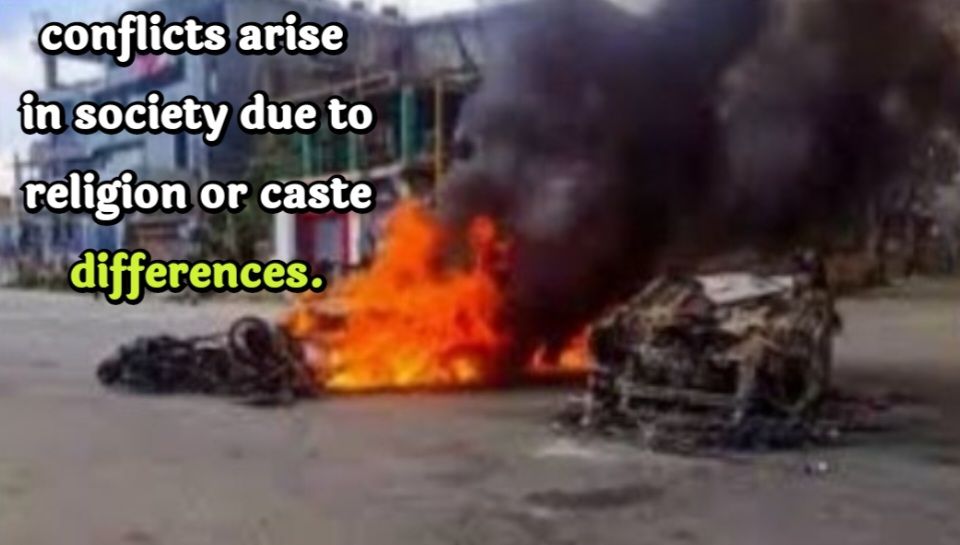
At times, conflicts arise in society due to religion or caste differences. If the government or administration only relies on law enforcement to control the situation, it may serve as a temporary solution. However, long-term peace can only be achieved by fostering understanding, communication, and mutual trust among people.
- Example from School Life :-
If two students argue in school, and the teacher simply punishes them to silence them, they may fight again later. However, if the teacher encourages them to listen to each other’s perspectives and understand their feelings, their conflict can be permanently resolved.
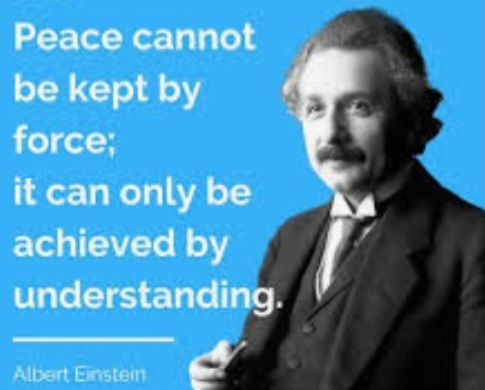
“शांतता ही जबरदस्तीने नाही तर समजुतदारीने टिकते…!”
शांतता ही केवळ बलपूर्वक किंवा दबाव टाकून कायम ठेवता येत नाही. जर शांतता टिकविण्यासाठी भीती, सक्ती किंवा अत्याचाराचा आधार घेतला गेला, तर ती तात्पुरती ठरेल आणि अंततः अस्थिरता निर्माण करेल. खरी शांतता ही केवळ परस्पर समजुतदारपणातून, सहकार्यातून आणि संवादातून प्रस्थापित केली जावू शकते. समाजात किंवा कोणत्याही गटात संघर्ष उद्भवल्यास, त्यावर दडपशाहीने उपाय करण्याचा प्रयत्न केल्यास, ती समस्या मुळापासून सुटत नाही, तर आणखी गंभीर बनते. त्याऐवजी, एकमेकांचे विचार, भावना आणि परिस्थिती समजून घेतल्यास खऱ्या अर्थाने शांततेकडे वाटचाल करता येते.
शांतता हे एक असे तत्व आहे, जे बाहेरून लादून मिळत नाही, तर ते आतून निर्माण करावे लागते. बळाच्या वापराने भीती तयार करता येते, पण विश्वास निर्माण होत नाही. त्यामुळे शांतता हवी असेल, तर समजुतीचा मार्ग स्वीकारावा लागेल.
शांतता बलाने नाही, तर समजुतीने टिकते शांतता म्हणजे केवळ युद्धाचा अभाव नव्हे, तर समाजातील स्थिरता, परस्पर विश्वास आणि समन्वयाचा परिणाम. बळाचा वापर करून शांतता टिकवण्याचा प्रयत्न केला, तर ती तात्पुरती असते, मात्र समजुतीच्या माध्यमातून मिळवलेली शांतता टिकाऊ आणि स्थायी असते.
- ऐतिहासिक उदाहरणे :-
(अ) महात्मा गांधी आणि अहिंसात्मक चळवळ :-
ब्रिटीश राजवटीत भारतात बरीच वर्षे शांतता नव्हती. इंग्रजांनी बळाच्या जोरावर राज्य केले, परंतु भारतीय जनतेत असंतोष होता. महात्मा गांधींनी सत्य आणि अहिंसेच्या तत्वांचा स्वीकार करून स्वातंत्र्यासाठी लढा दिला. त्यांनी कोणत्याही प्रकारचा हिंसाचार न करता शांततेच्या मार्गाने आंदोलन केले. ब्रिटिश सरकारने अनेक वेळा आंदोलन दडपण्याचा प्रयत्न केला, पण अखेर समजुतीच्या माध्यमातून भारताला स्वातंत्र्य मिळाले. जर केवळ बळाचा वापर झाला असता, तर संघर्ष वाढत गेला असता आणि शांतता कायम राहिली नसती.
(ब) दक्षिण आफ्रिकेतील नेल्सन मंडेला यांची भूमिका :-
नेल्सन मंडेला यांनी वर्णद्वेषाविरोधात संघर्ष केला. अपार्थाइडच्या काळात दक्षिण आफ्रिकेत कृष्णवर्णीय नागरिकांवर अत्याचार होत होते. सरकारने बळाचा वापर करून त्यांना दडपण्याचा प्रयत्न केला, पण त्यामुळे तणाव वाढला. मंडेलांनी मात्र समजुतीच्या आणि संवादाच्या माध्यमातून संघर्ष सोडवण्याचा प्रयत्न केला. शेवटी, त्यांनी शांततामय मार्गाने सत्ता परिवर्तन घडवून आणले आणि देशात दीर्घकाळ टिकणारी शांतता प्रस्थापित झाली.
- सामाजिक आणि वैयक्तिक उदाहरणे :-
(अ) कौटुंबिक नातेसंबंध :-
कुटुंबात जर मतभेद झाले, तर बळाचा वापर करून किंवा एखाद्याने आपले वर्चस्व गाजवून नातेसंबंध सुधारता येत नाहीत. जर एखाद्याला सतत दडपले गेले, तर ते नाते कमकुवत होते. मात्र, परस्पर समजूत, सहनशीलता आणि संवाद यामुळे नात्यात स्थिरता राहते आणि शांतता टिकते.
(ब) समाजातील धार्मिक आणि जातीय सलोखा :-
कधी कधी धर्म किंवा जातीच्या नावावर समाजात संघर्ष होतात. जर सरकार किंवा प्रशासन केवळ पोलिसी कारवाई करून परिस्थिती आटोक्यात आणण्याचा प्रयत्न करत असेल, तर तो तात्पुरता उपाय ठरतो. पण समाजात समज आणि संवाद निर्माण करून, परस्पर विश्वास वाढवूनच दीर्घकालीन शांतता प्रस्थापित करता येते.
- शालेय जीवनातील उदाहरण :-
शाळेत जर दोन विद्यार्थी भांडत असतील, तर शिक्षकांनी त्यांना शिक्षा देऊन जबरदस्तीने गप्प बसवले, तर ते पुन्हा भांडण्याची शक्यता असते. पण जर शिक्षकांनी त्यांना एकमेकांचे मत ऐकायला लावले, त्यांच्या भावना समजून घेतल्या, तर त्यांचे भांडण कायमचे मिटू शकते.
:-Mukund Madhukar Hingne.
 avatibhavati.com
यावर आपले मत नोंदवा