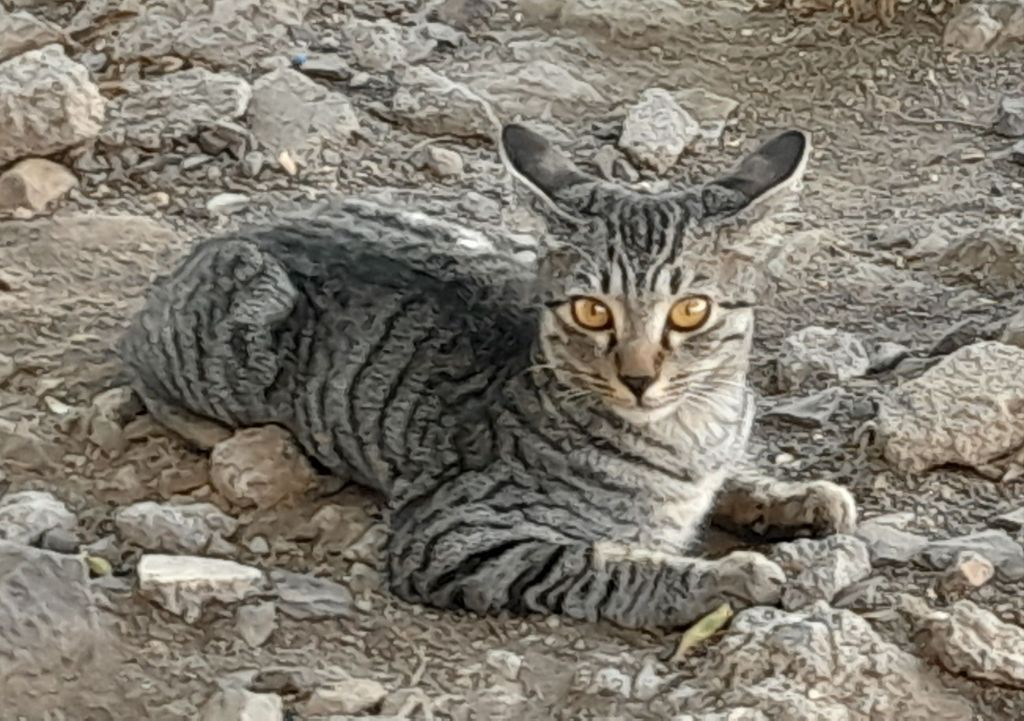
For the past three or four days, a tiny kitten has been coming to our yard early in the morning, crying loudly. When we offer it some milk or water, it drinks and leaves. Then, it returns again the next morning at the same time.
It doesn’t understand our language, and we don’t understand its language. We simply guess what it needs, provide it, and it takes it before disappearing. Yet, we feel as if we are communicating with the animal.
This is how it always is— the seeker’s language is often unknown to the giver, and the giver’s words hold no meaning for the seeker. There is no deeper connection, just a simple transaction of fulfilling a need. Be it humans or animals, the nature of the exchange remains the same!
Just listening to stray animals and silent people can bring about a huge change.

If we truly understand what they are trying to express, we can create a beautiful and compassionate world—not just for them, but for ourselves as well!

Unfortunately, this is something we rarely see happening these days. If we strengthen our ability to give, our humanity will naturally grow.
A) The Story of Unheard Voices:
Whether it’s a stray dog sitting by the roadside or a pet, they often try to communicate with every passerby. Sometimes, hunger is visible in their eyes; other times, they shiver while sleeping on a damp pavement. But we mistake their cries for mere noise and walk away. They have something to say, but we do not understand their language.
This isn’t just true for animals. There are many people in society who want to express a lot, but no one listens to them. Understanding their thoughts requires empathy—something that often gets lost in our daily rush.
B) The Communication of Stray Animals:
Stray dogs, cats, or birds use their movements and sounds to communicate.
- Hunger and Thirst: – They approach you slowly, asking for something through their eyes.
- Need for Protection: – An injured or distressed animal whimpers for help, but we look at them with fear.
- Affection and Love: – Some stray animals appear in the same place every day, recognize certain people, and wag their tails in joy.
C) Even Human Emotions Go Unheard:
There are many people around us who wish to say something, but no one listens to them.
- Children and the Elderly: – Often, young children or elderly family members try to share something, but we are too busy looking at our phones or handling other tasks.
- A Stressed Individual: – A colleague or a close friend might want to talk, but we dismiss them with, “Oh, you overthink too much,” and move on.
- Artists and Writers: – Many artists, writers, or intellectuals wish to convey something meaningful to society, but their thoughts are often ignored.
D) The Solution – Developing the Art of Listening:
Extend a Helping Hand to Animals: – Do not harm them; if possible, provide them with food and water.
Listen to People’s Words: – If someone is trying to share something, do not interrupt them.
Cultivate Empathy: – Don’t just listen—understand. Every emotion has its own language.

“मागणाऱ्याची भाषा देणाऱ्याला कळत नसते….!”
गेल्या तीन-चार दिवसांपासून सकाळी-सकाळी एक मांजराचं पिल्लू आमच्या अंगणात येवून जोर-जोरात ओरडत रहातं. आपण प्यायला दूध किंवा पाणी दिलं की पिऊन निघून जातं. पुन्हा थेट दुसऱ्या दिवशी सकाळीच ते येतं. आमची भाषा त्याला समजत नाही आणि त्याची भाषा आम्हाला समजत नाही. फक्त त्याला काय हवंय हे अंदाजाने ओळखून त्याला दिलं की ते घेवून पसार होतंय. आम्हाला उगीचच वाटतं की, प्राण्यांशी आपण संवाद साधतोय. हे असंच होत असतं….. मागणाऱ्याची भाषा ही देणाऱ्याला कळत नसते, देणारा काय सांगतोय हे मागणाऱ्याला समजून घ्यायचे नसते. फक्त गरजेची पूर्तता एव्हढाच व्यवहार असतो. माणसं असोत की पशु-पक्षी…!
भटक्या प्राण्यांना आणि अबोल माणसांना नुसतं 'ऐकलं' तरी खूप काही बदलू शकतं.
त्यांचं सांगणं समजून घेतलं, तर आपण फक्त त्यांच्यासाठीच नाही, तर स्वतःसाठीही एक सुंदर, संवेदनशील जग निर्माण करू शकतो! नेमकं हेच अलीकडे होताना दिसत नाहीय. आपण आपल्या दातृत्वाची शक्ती वाढविली तर आपोआपच आपली माणुसकी मोठी होईल.
अ) ऐकल्या न जाणाऱ्या आवाजांची कहाणी :-
रस्त्याच्या कडेला बसलेला एखादा भटका कुत्रा असो किंवा पाळीव, समोरून जाणाऱ्या प्रत्येकाला काहीतरी सांगायचा प्रयत्न करत असतो. कधी त्याच्या डोळ्यांत भूक दिसते, कधी ओलसर फुटपाथवर झोपताना थंडीचा थरकाप. पण आपण त्याच्या ओरडण्याला भीक समजतो आणि पुढे निघून जातो. त्याला काही सांगायचं असतं, पण आपल्याला त्याची भाषा समजत नाही.
हे फक्त प्राण्यांच्याच बाबतीत होतं असं नाही. समाजात असे अनेक लोक असतात, जे खूप काही सांगू इच्छितात, पण त्यांचे शब्द कोणी ऐकत नाही. त्यांचे विचार समजून घेण्यासाठी सहवेदना लागते, जी आपल्या रोजच्या धावपळीत कुठेतरी हरवते.
ब) भटक्या प्राण्यांचे संवाद :-
भटके कुत्रे, मांजरी, किंवा पक्षी—त्यांच्या हालचाली आणि आवाज हे त्यांचे संवादाचे साधन असतात.
- भूक आणि तहान :– ते खूप हळूहळू तुमच्याकडे येतात, डोळ्यांनी काहीतरी मागतात.
- संरक्षणाची गरज :– अपघातग्रस्त प्राणी मदतीसाठी कुरकुरतो, पण आपण भीतीने त्याच्याकडे पाहतो.
- आपुलकी आणि प्रेम :– काही भटके प्राणी रोज त्याच ठिकाणी दिसतात, काही ठराविक लोकांना ओळखतात, आणि प्रेमाने शेपूट हलवतात.
क) माणसांच्याही भावना न ऐकल्या जाणाऱ्या :-
आपल्या समाजातही अशी अनेक माणसं असतात, ज्यांना खूप काही सांगायचं असतं, पण कोणी ऐकत नाही.
- लहान मुले आणि वृद्ध :– बऱ्याच वेळा घरातली लहान मुले किंवा वृद्ध व्यक्ती आपल्याला काही सांगू पाहतात, पण आपण मोबाईलमध्ये बघतो किंवा दुसऱ्या कामात व्यस्त असतो.
- तणावाखालील माणूस :– ऑफिसमधला एखादा सहकारी किंवा जवळचा मित्र काही बोलू इच्छितो, पण आपण त्याला “अरे, तू फारच विचार करतोस” असं म्हणून विषय संपवतो.
- कलावंत आणि लेखक :– अनेक कलाकार, लेखक किंवा विचारवंत समाजाला काहीतरी सांगू इच्छितात, पण त्यांचे विचार समजून घेण्याचा प्रयत्नच केला जात नाही.
ड) समाधानाचा उपाय – ऐकण्याची कला विकसित करणे :-
- प्राण्यांना मदतीचा हात द्या :– त्यांना मारू नका, शक्य झाल्यास अन्न-पाणी द्या.
- माणसांचे शब्द ऐका :– कोणीतरी काही सांगत असेल तर त्याला मध्येच तोडू नका.
- संवेदना जोपासा :– नुसते ऐकू नका, समजून घ्या. प्रत्येकाच्या भावनांची एक भाषा असते.
:-Mukund Madhukar Hingne.
 avatibhavati.com
यावर आपले मत नोंदवा