Whenever the topic of personality and a matching name comes up for discussion, we often begin by recalling Shakespeare’s famous question: “What’s in a name?” Although Shakespeare’s original context was different, we still use this reference to highlight the seriousness of the subject.
Fundamentally, the sequence is such that a name comes first, and personality develops later. This is why people with names that perfectly match their personalities are rare. A newborn is first given a name, and their parents often have dreams about the kind of personality they hope their child will develop. They name the child accordingly.
However, how that personality actually takes shape is not entirely in the hands of the parents. So, isn’t it natural that there would often be a contrast between the name and the personality?
Very few people have names that truly match their personalities because a name comes first, while personality develops later. While the meaning of a name may seem important at the time of naming, it is a person’s life, experiences, values, and choices that shape their true personality. Sometimes, a name and a personality may align, but that is merely a coincidence. Therefore, there is little direct connection between a name and a personality. A name does not define a personality—rather, a personality gives meaning to a name.
- The Connection Between Name and Personality :-
There is no direct relationship between a person’s name and their personality, yet society sometimes associates the two. Two individuals with the same name can have completely different temperaments, ideologies, behaviors, and personalities. However, in rare cases, a person’s name seems to perfectly match their personality. Such instances, though, are quite uncommon.
- A Name Comes First, Personality Develops Later :-
A person’s name is given at birth, but their personality is shaped over time. Parents choose a name based on their expectations, traditions, religious beliefs, or family heritage. However, they have no way of predicting how their child’s future will unfold or what kind of person they will become. Therefore, the chances of a name perfectly aligning with a person’s personality are quite low.
For example, naming someone Veer (meaning brave) does not guarantee that they will be courageous. Similarly, naming someone Dnyaneshwar (meaning knowledgeable) does not ensure that they will become a great scholar.
- A Name Does Not Directly Shape Personality :-
The meaning of a name does not necessarily influence a person’s nature. A person named Shantaram may not always be calm, and someone named Prasanna may not always be cheerful. Personality is shaped by several factors, such as:
- A person’s inherent nature and mindset.
- Family and social upbringing.
- Education and experiences.
- Economic, social, and political circumstances.
- The impression they leave on society.
- Exceptional Cases and Coincidences :-
Sometimes, a person’s name coincidentally matches their personality, making the name appear more meaningful. For example:
- Lokmanya Tilak :- Lokmanya means “accepted by the people,” and Tilak was indeed a revered leader.
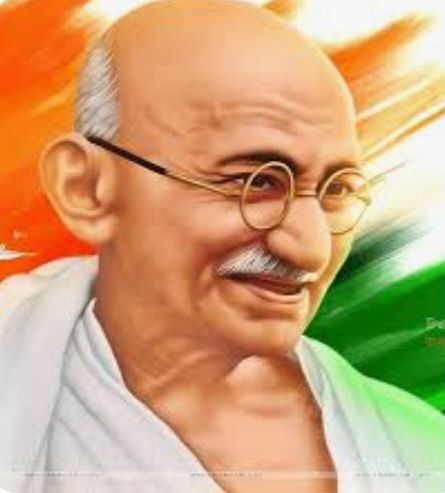
- Mahatma Gandhi :- Mahatma means “great soul,” and his actions truly reflected this.
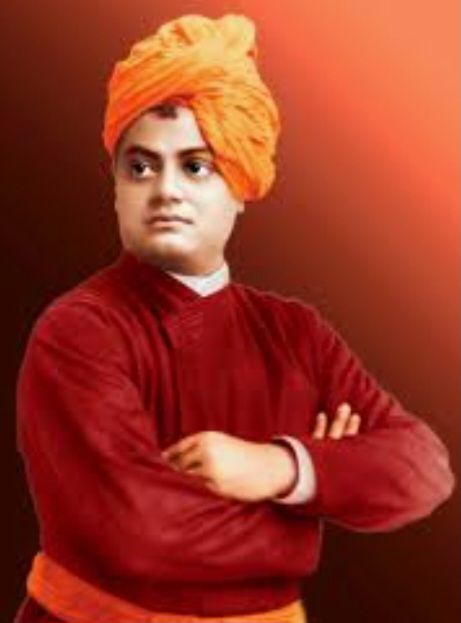
- Swami Vivekananda :- Vivek means “wisdom,” and his entire life was dedicated to profound and wise thoughts.
- However, such coincidences are extremely rare.
- Can a Name Influence Personality? :-
In some cases, a name may psychologically influence a person. If someone constantly hears the meaning of their name, they might try to live up to it. For example, if a person named Yashwant (meaning successful) frequently hears “You are destined for success,” they may become more determined to achieve it.
However, this ultimately depends on the individual’s mindset. Some people carve out their own identity, independent of their name, while others consciously align themselves with the meaning of their name.
- When Does a Name and Personality Mismatch? :-
Sometimes, there is a stark contrast between a person’s name and their actual personality. For example:
- A person named Dayaram (meaning compassionate) might be cruel.
- Someone named Satyavan (meaning truthful) might be dishonest.
- A person named Saumya (meaning gentle) might have an aggressive temperament.
- Does Changing a Name Change Personality? :-
Some people change their names for religious reasons or professional success, but this does not alter their true personality. For example, many individuals in the film industry change their names to create a stronger public identity, yet their thoughts, behavior, and character remain unchanged.
“व्यक्तिमत्वाला साजेसे नाव लाभणारे दुर्मिळच…!”
व्यक्तिमत्व आणि त्याला साजेसे नाव असा विषय आपल्यासमोर चर्चेला आला की आपण सुरुवात करतानाच, “नावात काय ? असं शेक्सपिअर म्हणाला होता याची आठवण करून देतो. खरं म्हणजे शेक्सपिअर जे म्हणाला होता त्याचा संदर्भ वेगळा असला तरी विषयाचे गांभीर्य म्हणून आपण हेच उदाहरण देत असतो. मुळात आधी नाव आणि मगच व्यक्तिमत्वाचा विकास ही क्रमवारी असल्याने व्यक्तिमत्वाला साजेसे नाव लाभणारे दुर्मिळ असतात. जन्माला आल्यानंतर पहिल्यांदा त्याचे नामकरण केले जाते. बरं त्याचं व्यक्तिमत्व कसं असावं याचं स्वप्न त्याच्या जन्मदात्यांनी रंगवलेले असते. त्याप्रमाणे ते त्याचं नामकरण करतात. पण पुढे त्याचे व्यक्तिमत्व कसे घडते ? ते जन्मदात्यांच्या थोडीच हातात असते ? मग नावात आणि व्यक्तिमत्वात विरोधाभास दिसणारच ना…!
व्यक्तिमत्त्वाला साजेसं नाव लाभणारी माणसं फार थोडी असतात, कारण नाव आधी येतं आणि व्यक्तिमत्त्व नंतर घडतं. नाव ठरवताना त्याचा अर्थ महत्त्वाचा वाटतो, पण त्या व्यक्तीचं आयुष्य, अनुभव, संस्कार आणि निर्णय हे त्याचं खरे व्यक्तिमत्त्व घडवतात. काही वेळा नाव आणि व्यक्तिमत्त्व यामध्ये साम्य आढळतं, पण ते निव्वळ योगायोग असतो. त्यामुळे नाव आणि व्यक्तिमत्त्व यांचा परस्परांशी फारसा संबंध नसतो, आणि नावामुळे व्यक्तिमत्त्व ठरत नाही—तर व्यक्तिमत्त्वामुळेच नावाला अर्थ प्राप्त होतो.
१. नाव आणि व्यक्तिमत्त्व यांचा परस्परसंबंध :-
नाव आणि व्यक्तिमत्त्व यांचा थेट संबंध नाही, परंतु समाजाच्या नजरेत काही वेळा तो जोडला जातो. एकाच नावाच्या दोन व्यक्तींचे स्वभाव, विचारसरणी, आचरण आणि व्यक्तिमत्त्व संपूर्ण वेगळे असू शकतात. तरीही, काही व्यक्तींची नावे त्यांच्या व्यक्तिमत्त्वाला अगदी साजेशी वाटतात. परंतु अशी उदाहरणे तुलनेने कमी आढळतात.
२. नाव हे आधी येतं, व्यक्तिमत्त्व नंतर घडतं :-
माणसाचं नाव त्याच्या जन्माच्या वेळी दिलं जातं, पण त्याचं व्यक्तिमत्त्व तो वाढताना घडत जातं. आई-वडील आपल्या अपेक्षा, परंपरा, धार्मिक श्रद्धा किंवा कौटुंबिक परंपरेनुसार नाव ठरवतात. यामध्ये त्या मुलाचे भविष्य कसे असेल, तो कसा घडेल, याचा कोणताही अंदाज नसतो. त्यामुळे त्याच्या व्यक्तिमत्त्वाशी नाव जुळेलच, अशी शक्यता फार कमी असते.
उदाहरणार्थ, कोणालाही “वीर” नाव दिलं, तरी तो खरोखर पराक्रमी आणि धाडसी बनेलच असं नाही. कोणाला “ज्ञानेश्वर” नाव दिलं, तरी तो मोठा विद्वान होईलच असं नाही.
३. व्यक्तिमत्त्व घडवण्यामध्ये नावाचा थेट सहभाग नसतो :-
नावाच्या अर्थाचा परिणाम त्या व्यक्तीवर होईलच असं नाही. “शांताराम” नाव असलेल्या प्रत्येक व्यक्तीला शांत स्वभाव असेलच असं नाही. “प्रसन्ना” नाव असलेल्या प्रत्येक व्यक्तीचा स्वभाव आनंदी असेलच असं नाही. व्यक्तिमत्त्व घडताना अनेक घटक महत्त्वाचे ठरतात, जसे की—
- व्यक्तीचा स्वभाव आणि मानसिकता
- कौटुंबिक आणि सामाजिक संस्कार
शिक्षण आणि अनुभव :-
- आर्थिक, सामाजिक आणि राजकीय परिस्थिती
- समाजाच्या नजरेत त्या व्यक्तीचा निर्माण झालेला ठसा.
४. अपवादात्मक उदाहरणे आणि योगायोग :-
काही वेळा काही व्यक्तींची नावे त्यांच्या व्यक्तिमत्त्वाशी अगदी जुळणारी असतात, आणि त्यामुळे ते नाव अधिक प्रभावी वाटू लागते. उदा.
- लोकमान्य टिळक :- “लोकमान्य” म्हणजे लोकांनी मान्यता दिलेला नेता, आणि टिळक हे खरोखरच लोकनेते होते.
- महात्मा गांधी :- “महात्मा” म्हणजे महान आत्मा, आणि त्यांचे कार्य तसेच होते.
- स्वामी विवेकानंद :- “विवेक” म्हणजे शहाणपण, आणि त्यांचे संपूर्ण जीवन विवेकयुक्त विचारांनी परिपूर्ण होते.
- पण असे योगायोग खूपच थोडे असतात.
५. नावाचा व्यक्तिमत्त्वावर परिणाम होऊ शकतो का? :-
काही वेळा नावाचा व्यक्तीच्या मानसशास्त्रावर परिणाम होतो. जर एखाद्या व्यक्तीला सतत त्याच्या नावाचा अर्थ ऐकायला मिळत असेल, तर तो त्या अर्थासारखं वागण्याचा प्रयत्न करू शकतो. उदा. “यशवंत” नावाच्या व्यक्तीला सतत “तू यशस्वी होणार” असं ऐकायला मिळालं, तर कदाचित तो अधिक प्रयत्नशील राहू शकेल.
पण हे सर्वस्वी व्यक्तीच्या मानसिकतेवर अवलंबून असतं. काही लोक स्वतःच्या नावाला विसरून आपलं वेगळंच अस्तित्व निर्माण करतात, आणि काही लोक नावाच्या अर्थाशी स्वतःला जोडून घेतात.
६. नाव आणि व्यक्तिमत्त्व यामधील विसंगती कधी दिसते? :-
कधी कधी नाव आणि व्यक्तिमत्त्व यामध्ये मोठी तफावत आढळते. उदा.
- एखाद्याचं नाव “दयाराम” असलं तरी तो निर्दयी असू शकतो.
- “सत्यवान” नाव असलं तरी तो खोटं बोलणारा असू शकतो.
- “सौम्या” नाव असलं तरी एखाद्या व्यक्तीचा स्वभाव रागीट असू शकतो.
७. नाव बदलल्याने व्यक्तिमत्त्व बदलते का? :-
काही लोक श्रद्धेपोटी किंवा व्यावसायिक कारणांमुळे नाव बदलतात, पण त्यामुळे त्यांचे खरे व्यक्तिमत्त्व बदलत नाही. उदा. चित्रपटसृष्टीत अनेक लोक आपली ओळख अधिक प्रभावी करण्यासाठी नाव बदलतात, पण त्यामुळे त्यांचा स्वभाव किंवा आचारविचार बदलत नाहीत.
:-Mukund Madhukar Hingne.
 avatibhavati.com
यावर आपले मत नोंदवा