Human perception of beauty has changed over time. In the past, body tattooing was a common practice, which has now evolved into the modern form of tattoos. But is this truly a part of enhancing beauty, or just an obsession with painful fashion?
The idea that “You are beautiful just the way you are” inherently reflects self-confidence. The urge to look more beautiful than you naturally are suggests a lack of self-assurance. Moreover, the notion that an artist’s creativity should be expressed on human skin seems primitive and even barbaric.
Perhaps my opinion may also seem outdated to you. But ask those who have covered their bodies with tattoos if they have faced any skin-related issues. The answer you get will tell you everything.
India is a vast country made up of numerous villages. The annual village deity fairs held across the country are seen as a celebration of its religious and cultural traditions. These fairs were not just festive gatherings but also played a crucial role in strengthening the rural economy. However, in the age of online connectivity, these village fairs are gradually fading. This is an attempt to explore the reasons behind this decline.
- Religious Factors :-
(A) Transformation of Spirituality into Ritualism :-
Earlier, fairs were deeply rooted in religious faith, devotion, and spiritual purification. However, in recent times, they have become more focused on rituals, miracles, and display, leading the younger generation to lose interest in them.
(B) Increasing Scientific Perspective on Religion :-
With the spread of education and the growing influence of scientific thinking, many people are distancing themselves from superstitions. The mystery and fear that once surrounded these fairs are gradually diminishing.
(C) Availability of Spiritual Alternatives and Changing Religious :- Priorities
Previously, fairs were an occasion for devotees to come together. However, now people prefer pilgrimage tours, visits to major temples, or meditation retreats for spiritual fulfillment, leading to a decline in local village deity fairs.
- Cultural Factors :-
(A) Disappearance of Traditional Folk Arts and Practices :-
In earlier times, fairs showcased various folk arts like Bharud, Gondhal, Jogwa, Kirtan, Tamasha, Powadas, and traditional dances. However, with the rise of modern entertainment through mobile phones, television, and the internet, fairs have lost their significance as cultural hubs.
(B) Changing Social Bonds :-
Fairs once served as a gathering point for relatives, friends, and villagers. However, changing social dynamics and urban migration have weakened the connection between people and their village deities.
(C) Impact of Urbanization and Migration :-
Previously, entire families participated in fairs, but now, due to changing lifestyles, employment, and education, many people have moved to cities. As a result, their devotion and connection to village deity fairs are gradually fading.
- Economic Factors :-
(A) Changing Market Dynamics :-
Fairs were once major shopping hubs, especially for rural communities. However, with the rise of online shopping, malls, and urban markets, fairs have lost their economic appeal.
(B) Changes in Agriculture and Rural Economy :-
The rural economy, primarily dependent on agriculture and traditional businesses, is declining. This has led to reduced spending capacity among villagers, affecting the grandeur of fairs.
(C) Improved Transportation and Travel Options :-
Previously, fairs were among the few major annual events for villagers. However, with better roads, railways, and transport facilities, people can now easily visit major religious sites, leading to reduced participation in local deity fairs.
- Administrative and Environmental Factors :-
(A) Administrative Restrictions :- Affecting the Festive Spirit
Managing fairs has become more challenging due to security concerns, police permissions, crowd control, transportation management, and cleanliness regulations. These factors have made organizing fairs expensive and cumbersome.
(B) Climate Change and Environmental Challenges :-
In earlier times, fairs were planned in alignment with seasonal patterns. However, climate change, irregular rainfall, rising temperatures, and water scarcity have affected participation in many fairs.
- Modern Lifestyle and Commercialization :-
(A) Changing Concepts of Leisure and Vacations :-
Earlier, fairs served as an important religious and cultural tourism experience. However, now people prefer spending their vacations at hill stations, beaches, or foreign destinations, reducing interest in local fairs.
(B) Commercialization of Religious Events :-
In some places, fairs are now driven by large donations, advertisements, and commercial interests. This shift has moved fairs away from their original religious and social purpose, making them more of an economic enterprise. As a result, genuine devotees are losing interest in them.
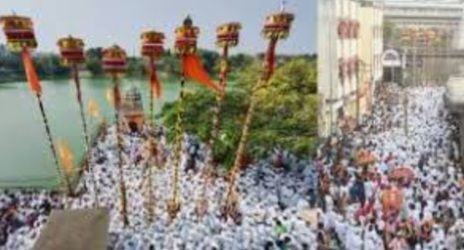
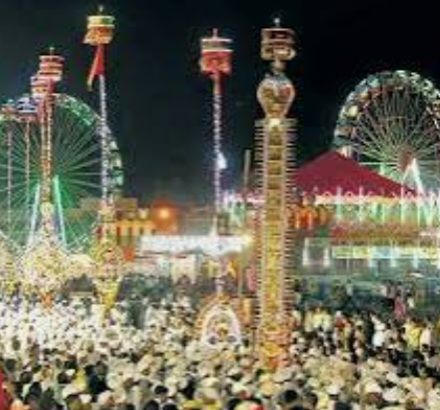
“धार्मिक, सांस्कृतिक आणि आर्थिक उलाढालीचे केंद्र असलेल्या गावाकडच्या यात्रांचे आकर्षण कमी होतेय…!”
ग्रामदैवतांच्या यात्रा ओस पडण्याची अनेक कारणे आहेत. बदलते धार्मिक दृष्टिकोन, लोकसंख्येचे स्थलांतर, आधुनिक जीवनशैली, पर्यावरणीय अडचणी आणि बाजारपेठेतील बदल यामुळे यात्रा आता पूर्वीइतक्या भव्य राहिलेल्या नाहीत.
मात्र, काही ठिकाणी यात्रा टिकून आहेत किंवा नव्या स्वरूपात जिवंत केल्या जात आहेत. यामध्ये आधुनिक तंत्रज्ञानाचा वापर, पर्यावरणपूरक आयोजन, आणि पारंपरिक लोककला पुनरुज्जीवन हे घटक महत्त्वाचे ठरू शकतात.
यात्रा जिवंत ठेवायच्या असतील, तर त्या केवळ धार्मिक नव्हे, तर सांस्कृतिक, ऐतिहासिक आणि आर्थिकदृष्ट्याही महत्त्वाच्या ठरतील अशा पद्धतीने पुनरुज्जीवित करायला हव्यात.
भारत हा खेड्यांचा विशाल समूह असलेला देश आहे. या देशाच्या धार्मिक, सांस्कृतिक परंपरांचा उत्सव म्हणून गावा-गावातून दरवर्षी होणाऱ्या ग्रामदैवताच्या यात्रांकडे पाहिले जाते. या यात्रा नुसत्याच उत्सव म्हणून भरवल्या जात नव्हत्या तर त्यातून ग्रामीण भागाचे अर्थकारण मजबूत केले जात होते. आता ऑनलाईनच्या जमान्यात गावाकडची यात्रा ओस पडत आहे. त्यामागच्या कारणमीमांसा शोधण्याचा हा प्रयत्न..!
१. धार्मिक घटक :-
(अ) आध्यात्मिकतेचे रूपांतर कर्मकांडात :-
पूर्वी यात्रांना धार्मिक श्रद्धा, भक्ती आणि अध्यात्मिक शुद्धीकरण यांचा मोठा आधार होता. परंतु, अलीकडे यात्रांचा भर कर्मकांड, चमत्कार आणि दिखाऊपणावर जास्त पडत आहे. त्यामुळे नवीन पिढी यात्रांकडे उदासीन झाली आहे.
(ब) धर्माबद्दल वाढती वैज्ञानिक दृष्टीकोन :-
शिक्षणाच्या प्रसारामुळे आणि वैज्ञानिक दृष्टिकोनाच्या वाढत्या प्रभावामुळे अनेक जण अंधश्रद्धांपासून दूर होत आहेत. पूर्वी जी गूढता आणि भिती यात्रांना जोडली जायची, ती आता हळूहळू कमी होत चालली आहे.
(क) आध्यात्मिक पर्याय आणि बदलते धार्मिक प्राधान्यक्रम :-
पूर्वी यात्रेच्या निमित्ताने भक्त मंडळी एकत्र यायची, मात्र आता धार्मिक चैनसाठी तीर्थयात्रा, मोठ्या मंदिरांच्या भेटी किंवा ध्यानधारणा शिबिरे अधिक पसंत केली जात आहेत. त्यामुळे स्थानिक ग्रामदैवतांच्या यात्रा मागे पडत आहेत.
२. सांस्कृतिक घटक :-
(अ) पारंपरिक लोककला आणि लोकपरंपरा हरवणे :-
यात्रांमध्ये पूर्वी भारुड, गोंधळ, जोगवा, कीर्तन, तमाशा, पोवाडे, पारंपरिक नृत्ये इत्यादी लोककला मोठ्या प्रमाणात सादर होत असत. मात्र, आता लोकांच्या मनोरंजनाची साधने बदलली आहेत. मोबाईल, टीव्ही, आणि इंटरनेटमुळे यात्रा हे सांस्कृतिक केंद्र उरले नाही.
(ब) बदललेले सामाजिक स्नेहबंध :-
पूर्वी यात्रेच्या निमित्ताने नातेवाईक, मित्रमंडळी, गावकरी एकत्र येत असत. पण आता माणसांचे परस्परांशी संबंध बदलत आहेत. गावातील लोक शहराकडे स्थलांतर करत असल्याने ग्रामदेवतेशी असलेले नातेही हळूहळू विस्कळीत होत आहे.
(क) शहरीकरण आणि स्थलांतराचा प्रभाव :-
पूर्वी संपूर्ण कुटुंब यात्रेला जाई, पण आता लोकांची रहाणीमान पद्धती बदलली आहे. कामाच्या आणि शिक्षणाच्या निमित्ताने अनेक जण मोठ्या शहरांत स्थायिक झाले आहेत. परिणामी, ग्रामदैवताशी असलेली श्रद्धा आणि जोडणी क्षीण होत चालली आहे.
३. आर्थिक घटक :-
(अ) बाजारपेठेचा बदल :-
पूर्वी यात्रेच्या ठिकाणी मोठी बाजारपेठ भरत असे. विशेषतः ग्रामीण भागातील लोकांसाठी यात्रा म्हणजे मोठी खरेदी करण्याची संधी असे. पण आता ऑनलाइन शॉपिंग, मॉल्स आणि शहरांमधील बाजारपेठांमुळे यात्रेचा हा आर्थिक आकर्षणबिंदू राहिलेला नाही.
(ब) शेती आणि ग्रामीण अर्थव्यवस्थेतील बदल :-
शेती आणि पारंपरिक ग्रामीण व्यवसायांवर आधारीत अर्थव्यवस्था ढासळत चालली आहे. त्यामुळे यात्रेत मोठ्या प्रमाणावर खर्च करण्याची प्रवृत्तीही कमी झाली आहे.
(क) प्रवास आणि वाहतूक सुलभ झाल्याने पर्याय वाढले :-
पूर्वी यात्रा ही मोठी वार्षिक घटना असे. पण आता रस्ते, रेल्वे आणि वाहतुकीच्या साधनांमुळे लोक सहजगत्या मोठ्या धार्मिक स्थळांना भेट देऊ शकतात. त्यामुळे ग्रामदैवतांच्या यात्रांकडे दुर्लक्ष होऊ लागले आहे.
४. प्रशासनिक आणि पर्यावरणीय घटक :-
(अ) प्रशासनाच्या निर्बंधांमुळे यात्रेतील उत्साह कमी होणे :-
सुरक्षेच्या कारणास्तव यात्रा व्यवस्थापन कठीण होत आहे. पोलिसांच्या परवानग्या, गर्दी नियोजन, वाहतूक व्यवस्थापन आणि स्वच्छतेच्या अटी यामुळे यात्रा भरवणे खर्चिक आणि त्रासदायक बनले आहे.
(ब) हवामान बदल आणि पर्यावरणीय अडथळे :-
पूर्वी यात्रांचे आयोजन निसर्गाच्या चक्राशी सुसंगत असे. मात्र, हवामान बदलामुळे आणि अनियमित पावसामुळे काही यात्रा प्रभावित झाल्या आहेत. उष्णता वाढल्याने आणि पाण्याच्या टंचाईमुळे काही ठिकाणी यात्रेची गर्दी कमी होत आहे.
५. आधुनिक जीवनशैली आणि व्यावसायिक बदल :-
(अ) सुट्टी आणि आरामाची संकल्पना बदलली :-
पूर्वी यात्रा ही धार्मिक आणि सांस्कृतिक पर्यटनाची एक मोठी संधी असे. मात्र, आता लोक सुट्टीचा उपयोग हिल स्टेशन, बीच किंवा परदेशी पर्यटनासाठी करत आहेत. त्यामुळे ग्रामदैवतांच्या यात्रांची मागणी कमी झाली आहे.
(ब) धार्मिक घटनांचे व्यावसायीकरण :-
आता काही ठिकाणी यात्रांचा भर मोठ्या देणग्यांवर, जाहिरातींवर आणि व्यावसायिक फायद्यावर वाढला आहे. त्यामुळे यात्रांचा धार्मिक आणि सामाजिक मूळ हेतू मागे पडून, ती एक आर्थिक उपक्रम बनू लागली आहे. त्यामुळे खरी भक्त मंडळी त्याकडे दुर्लक्ष करू लागली आहेत.
:-Mukund Madhukar Hingne.
 avatibhavati.com
यावर आपले मत नोंदवा