In ancient times, “living by religion” was considered synonymous with adhering to moral principles and ethical conduct. This was because religious scriptures laid down certain rules, ideals, and values for both personal and social morality. However, in today’s world, religion has become associated with various forms of superstition, rituals, and fanaticism. As a result, “living by religion” is now often equated with outdated thinking or orthodox beliefs.
The code of conduct prescribed by any religion is fundamentally based on morality. However, due to rigid individuals who perceive any adaptation or revision of religious doctrines as sacrilege, new conflicts arise regarding religious principles.
"Living by religion" was originally associated with morality, but today, in many places, it has become linked to rituals and fanaticism. As a result, people often perceive religious conduct as orthodox or outdated thinking. However, if the focus is placed on the core moral teachings of religion, it can still be beneficial to society.

In essence, if morality is removed from the confines of religion and based on humanity instead, it can become more universal and inclusive.
♦️The Interrelationship Between Religion and Morality :-
Religion and morality have been closely linked for centuries. Ancient religious texts have elaborated on the concepts of morality:
- Hinduism – Texts like the Mahabharata, Ramayana, and Bhagavad Gita define religion as truth, non-violence, charity, and duty.
- Buddhism – Gautama Buddha introduced the Eightfold Path, emphasizing right conduct, thought, and behavior.
- Islam – The Quran and Hadith place a strong emphasis on morality, including honesty, charity, and standing against injustice.
- Christianity – The Bible highlights moral principles such as love, forgiveness, and compassion.
♦️ Modern Perspectives on Religious Conduct :-
In the past, living by religion meant upholding justice, equality, and righteousness. However, in today’s world, the interpretation and practice of religion have evolved. As a result, many people now associate “living by religion” with fanaticism, superstition, and rituals. Some key reasons for this shift are:
- Confusion Between Rituals and Morality
Many believe that merely following religious customs and rituals equates to living by religion, whereas the true essence of religion lies in ethical conduct. - Influence of Fanaticism
In some cases, religion is used as a tool for politics, power, and public influence. This creates an impression that religion is about strict rules and rigid ideologies. - Conflict Between Religion and Science
With modern scientific advancements, some religious beliefs appear outdated. As a result, traditional religious practices are sometimes viewed as obstacles to progress. - Changing Social Values
In the past, family, society, and education were deeply rooted in religious principles. However, today, individual freedom and humanism hold greater significance, making religion-based morality seem outdated.
♦️A New Foundation for Morality: Humanism
In the modern era, the concept of morality has moved beyond religious boundaries and has become human-centered. Some key aspects of this shift include:
🔹 Universal Moral Values – Ethical principles such as honesty, kindness, justice, and freedom are now based on human rights rather than religious teachings.
🔹 Science and Rationality – Social norms are now established through scientific reasoning and logical thinking rather than religious doctrines.
🔹 Humanity and Equality – Morality is increasingly viewed as independent of religion, with the belief that “what is good for humanity is moral”.
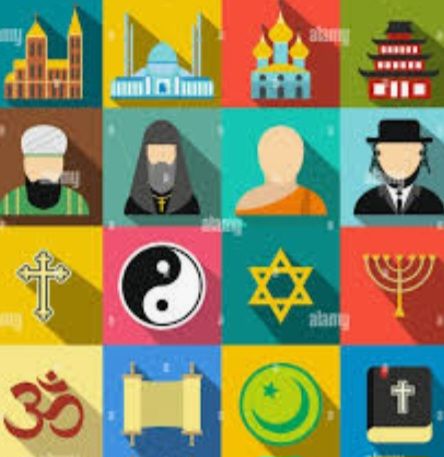
“धर्म आणि नीतिमत्ता : आधुनिक दृष्टिकोनातून एक चिकित्सा…!”
जुन्या काळात “धर्माने वागणे” म्हणजे माणसाने नैतिकतेच्या चौकटीत राहून आचरण करणे, असे मानले जात असे. कारण धर्मसंहितांमध्ये व्यक्तिगत तसेच सामाजिक नैतिकतेसाठी काही नियम, आदर्श आणि मूल्ये निर्धारित केली होती. परंतु, आजच्या काळात धर्माच्या नावाखाली अनेक प्रकारची अंधश्रद्धा, कर्मकांड आणि कट्टरता पाहायला मिळते. त्यामुळे “धर्माने वागणे” म्हणजे जुनाट विचारसरणी किंवा सनातनी प्रवृत्ती असे समीकरण तयार झाले आहे. कोणत्याही धर्माची आचरणाची संहिता ही नितीमत्तेवरच आधारलेली असते. फक्त कालानुरूप त्यात बदल अथवा सुधारित नियमावली करणे हा धर्मद्रोह समजणाऱ्या कर्मठ लोकांमुळेच धर्मसंहितेवरून नवे वाद तयार केले जातात.
"धर्माने वागणे" हा मूळ अर्थाने नैतिकतेशी संबंधित होता, परंतु आज तो अनेक ठिकाणी कर्मकांड आणि कट्टरतेशी जोडला जातो. त्यामुळे लोकांना धर्माने वागणे म्हणजे सनातनी किंवा जुनाट विचारसरणी वाटते. मात्र, जर धर्माच्या मूळ नैतिक शिक्षणावर भर दिला तर तो आजही समाजासाठी उपयुक्त ठरू शकतो. तात्पर्य, नैतिकता ही धर्माच्या चौकटीतून बाहेर काढून ती माणुसकीवर आधारित केली तर ती अधिक सार्वभौम आणि व्यापक स्वरूपाची होऊ शकते.
♦️धर्म आणि नैतिकता यांचा परस्परसंबंध :-
धर्म आणि नैतिकता हे अनेक शतकांपासून एकमेकांशी निगडित आहेत. प्राचीन धर्मग्रंथांमध्ये नैतिकतेच्या संकल्पना विस्ताराने मांडलेल्या आहेत:
- हिंदू धर्म : महाभारत, रामायण आणि भगवद्गीता यांसारख्या ग्रंथांमध्ये धर्म म्हणजे सत्य, अहिंसा, परोपकार आणि कर्तव्य असे सांगितले आहे.
- बौद्ध धर्म: गौतम बुद्धांनी “अष्टांग मार्ग” सांगितला, ज्यामध्ये योग्य आचरण, विचार आणि व्यवहारावर भर दिला आहे.
- इस्लाम: कुराण आणि हदीस यांमध्ये नैतिकतेवर विशेष भर दिला आहे, जसे की प्रामाणिकपणा, परोपकार आणि अन्यायाविरुद्ध उभे राहणे.
- ख्रिस्ती धर्म: बायबलमध्ये प्रेम, क्षमा आणि दया या नैतिक तत्त्वांना महत्त्व दिले आहे.
♦️आधुनिक काळात धर्माने वागण्याकडे पाहण्याचा दृष्टिकोन :-
पूर्वी धर्माने वागणे म्हणजे न्याय, समता आणि सदाचार यांचा पुरस्कार करणे होते. मात्र, आजच्या काळात धर्माच्या व्याख्या आणि त्याचे आचरण बदलले आहेत. त्यामुळे “धर्माने वागणे” याचा अर्थ अनेकांना कट्टरता, अंधश्रद्धा आणि कर्मकांड यांच्याशी जोडलेला वाटतो. याची काही कारणे पुढीलप्रमाणे आहेत:
- कर्मकांड आणि नैतिकता यातील फरक न कळणे:
अनेकांना असे वाटते की कोणत्या तरी ठरावीक धार्मिक प्रथा पाळल्यानेच ते धर्माने वागत आहेत. मात्र, धर्माचा खरा उद्देश हा नैतिक आचरण असतो. - कट्टरतेचा प्रभाव:
काही ठिकाणी धर्माचा उपयोग राजकारण, सत्ता आणि जनमत नियंत्रणासाठी केला जातो. त्यामुळे धर्म म्हणजे कठोर नियम आणि बंदिस्त विचारसरणी असे गृहीत धरले जाते. - धर्म आणि विज्ञान यातील संघर्ष:
आधुनिक विज्ञानाच्या प्रकाशात काही धार्मिक कल्पना कालबाह्य वाटू लागल्या आहेत. त्यामुळे पारंपरिक धार्मिक आचरण म्हणजे प्रगतीला अडथळा असे मानले जाते. - समाजातील बदलत्या मूल्यव्यवस्था:
पूर्वी कुटुंब, समाज आणि शिक्षण या गोष्टी धर्माच्या तत्वांवर आधारित होत्या. पण आता व्यक्तिस्वातंत्र्य आणि मानवतावाद यांना अधिक महत्त्व दिले जाते. त्यामुळे धर्मावर आधारित नैतिकता ही कालबाह्य वाटू लागते.
♦️नैतिकतेचा नवीन पाया : मानवतावाद :-
आज नैतिकतेची संकल्पना धार्मिक चौकटीबाहेर पडून मानवकेंद्री बनली आहे. याचे काही महत्त्वाचे मुद्दे असे आहेत:
🔹 सार्वभौमिक नैतिक मूल्ये: प्रामाणिकपणा, दयाळूपणा, न्याय आणि स्वातंत्र्य यांसारखी नैतिक मूल्ये आता धर्मापेक्षा मानवी हक्कांच्या संकल्पनांवर आधारित आहेत.
🔹 विज्ञान आणि तर्कशक्ती : विज्ञानाच्या आधारे समाजनियम ठरवले जात आहेत आणि नैतिकतेच्या संकल्पना विवेकावर आधारित होत आहेत.
🔹 मानवता आणि समता: आता धर्माच्या पलीकडे जाऊन “मानवतेसाठी चांगले ते नैतिक” असे मानले जाते.
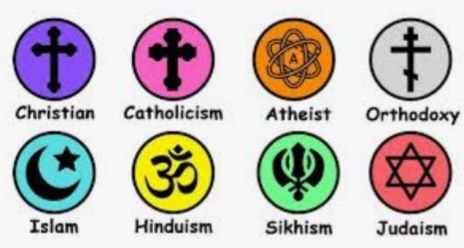
:-Mukund Madhukar Hingne.
 avatibhavati.com
यावर आपले मत नोंदवा