How has technology changed your job?
Around 2004, a significant technological shift occurred in Marathi journalism. During this period, there were radical changes in the editing and publishing processes of newspapers. Journalists who had entered the field in the 1990s and were accustomed to traditional methods of handwritten reporting and typewriting now had to adapt to computers. Previously, journalists would gather news in their own handwriting and pass it on to typists. However, as digitization advanced, this traditional approach gradually became obsolete. The use of computers became inevitable, presenting journalists with the new challenge of learning to operate them.
The journey of Marathi journalism, which began with pen and paper, has advanced to the sophisticated use of smartphones by 2025. We have now adapted to digital journalism and are continuously learning new skills to stay aligned with evolving technology. Embracing technology is the need of the hour, and we are striving to enhance the quality of journalism by making positive use of it.
🔴 Mandatory Computer Training and Fear of Job Loss :-
Many journalists had little interest in using computers or had no inclination toward them. However, they were suddenly forced to learn how to operate them. Some showed a willingness to learn, while others feared losing their jobs. The management made it clear that if they could not handle computers, their jobs could be at risk. As a result, many journalists, albeit reluctantly, began adapting to this new technology.
🔴 Phonetic – A Computational Language for Marathi :-
During that period, Phonetic was introduced as a computational language to facilitate easy Marathi typing. Unlike traditional typewriters, typing in Marathi on computers required a different approach. Therefore, journalists and typists had to practice Phonetic for DTP (Desktop Publishing). Gradually, they adapted to the new system and integrated it into digital media workflows.
🔴 The Rise of Smartphones and Introduction to New Technology :-
After 2004, the rapid spread of the internet and the impactful entry of smartphones after 2010 brought another major transformation in journalism. News collection and dissemination were no longer limited to computers; they became easily accessible through smartphones as well. Many journalists began writing, editing, and sending news via mobile devices and email.
🔴 Changes in Work Due to Technology :-
🔹 The need for traditional paper-based writing diminished; instead, writing was done directly on computers or mobile devices.
🔹 Journalists could work from anywhere rather than being confined to an office.
🔹 Newspaper editing and layout became entirely digital.
🔹 Social media and online journalism accelerated the speed of information dissemination.
🔹 With the growing influence of photo and video journalism, journalists had to develop multimedia skills.
🔴 Positive and Negative Impacts of Technology :-
◾ Positive Aspects :
🔸 News gathering and dissemination became faster.
🔸 Accuracy and presentation improved.
🔸 Digital journalism opened new opportunities.
◾ Negative Aspects :
🔸 Fear of job loss increased for those who failed to upgrade their technical skills.
🔸 Computers, the internet, and smartphones added to the workload of journalists.
🔸 Some experienced journalists struggled to adapt to technological changes, weakening their position in the field.
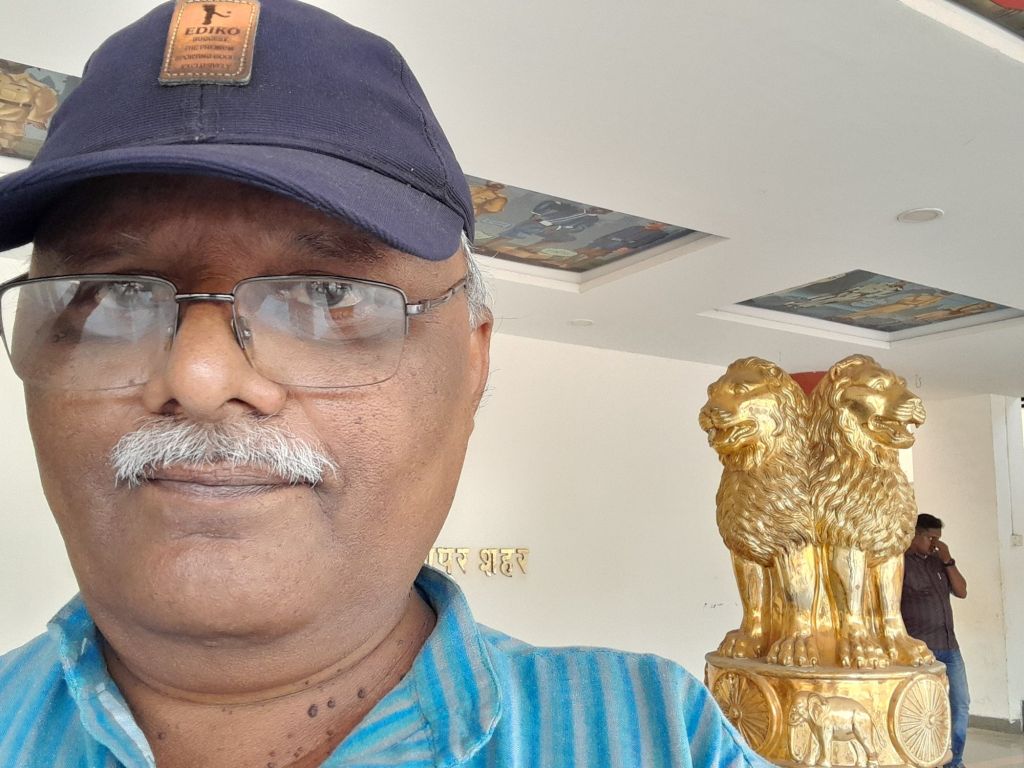
“नोकरी गमावू या भीतीमुळेच आम्ही संगणक हाताळणे शिकलो…!”
२००४ च्या सुमारास मराठी पत्रकारितेमध्ये एक मोठा तांत्रिक बदल झाला. त्या काळात वृत्तपत्रांच्या संपादन आणि प्रकाशन पद्धतीत आमूलाग्र बदल होत होते. परंपरागत पद्धतीने हाताने लेखन करणाऱ्या आणि टंकलेखन करणाऱ्या नव्वदच्या दशकात या क्षेत्रात आलेल्या पत्रकारांना आता संगणकाचा स्वीकार करावा लागणार होता. पूर्वी पत्रकार स्वतःच्या हस्ताक्षरात वृत्त संकलन करत आणि ते टंकलेखन करणाऱ्या कर्मचाऱ्यांकडे देत. पण जसजसे संगणकीकरण वाढू लागले, तसतसे ही पारंपरिक पद्धत कालबाह्य होत गेली. संगणकाचा वापर अपरिहार्य ठरला आणि पत्रकारांना संगणक हाताळण्याचे नवे आव्हान समोर आले.
कागद-पेनपासून सुरू झालेला मराठी पत्रकारितेचा प्रवास २०२५ पर्यंत स्मार्टफोनच्या अत्याधुनिक वापरापर्यंत पोहोचला आहे. आम्ही आता डिजिटल पत्रकारितेशी जुळवून घेतले असून, बदलत्या तंत्रज्ञानाशी सुसंगत राहण्यासाठी सातत्याने नवीन कौशल्ये शिकत आहोत. तंत्रज्ञान स्वीकारणे ही काळाची गरज आहे, आणि आम्ही त्याचा सकारात्मक उपयोग करून पत्रकारितेचा दर्जा उंचावण्याचा प्रयत्न करत आहोत.
🔴 संगणक शिक्षणाची सक्ती आणि भीतीचे वातावरण :-
अनेक पत्रकारांना संगणक वापरण्यात रुची नव्हती किंवा त्यांचा त्याकडे कल नव्हता. त्यांना अचानक संगणक शिकण्याची सक्ती करण्यात आली. काहींनी शिकण्याची तयारी दर्शवली, तर काहींना नोकरी जाण्याची भीती निर्माण झाली. व्यवस्थापनाने स्पष्ट केले की, संगणक हाताळता येत नसेल, तर नोकरी धोक्यात येऊ शकते. त्यामुळे अनिच्छेने का होईना, पण अनेकांनी हे तंत्रज्ञान आत्मसात करण्यास सुरुवात केली.
🔴 पोनेटिक – मराठीसाठी संगणकीय भाषा :-
त्या काळात मराठीत सहज टाइप करता यावे म्हणून पोनेटिक ही संगणकीय भाषा शिकवण्यात आली. पारंपरिक टायपरायटरच्या तुलनेत संगणकावर मराठी टायपिंग करणे वेगळे होते. त्यामुळे DTP (Desktop Publishing) साठी पत्रकार आणि टंकलेखन करणाऱ्यांना पोनेटिकचा सराव करावा लागला. हळूहळू त्यांनी नवीन प्रणाली आत्मसात केली आणि डिजिटल माध्यमाशी जुळवून घेतले.
🔴 स्मार्टफोनचा प्रवेश आणि नव्या तंत्रज्ञानाची ओळख :-
२००४ नंतर इंटरनेटचा प्रसार वेगाने वाढला आणि २०१० नंतर स्मार्टफोनचा प्रभावी प्रवेश झाला. त्यामुळे पत्रकारितेच्या पद्धतीत आणखी मोठा बदल झाला. आता वृत्त संकलन आणि प्रसारण हे संगणकावरच नव्हे, तर स्मार्टफोनवरही सहज होऊ लागले. अनेक पत्रकारांनी मोबाईलवर लेखन, संपादन आणि ई-मेलद्वारे बातम्या पाठविणे सुरू केले.
🔴 तंत्रज्ञानामुळे कामाच्या स्वरूपात झालेले बदल :-
🔹पारंपरिक कागदावर लेखन करण्याची गरज उरली नाही; थेट संगणक किंवा मोबाईलवर लेखन होऊ लागले.
🔹प्रत्यक्ष कार्यालयात जाऊन लेखन करण्यापेक्षा कुठूनही काम करता येऊ लागले.
🔹 वृत्तपत्रांचे संपादन आणि मांडणी पूर्णपणे डिजिटल झाली.
🔹 सोशल मीडिया आणि ऑनलाइन पत्रकारितेमुळे माहितीचा वेग वाढला.
🔹 फोटो आणि व्हिडिओ पत्रकारितेचा प्रभाव वाढल्यामुळे पत्रकारांना मल्टीमीडिया कौशल्ये आत्मसात करावी लागली.
🔴 तंत्रज्ञानाचा सकारात्मक आणि नकारात्मक परिणाम :-
◾सकारात्मक बाजू :-
🔸माहिती संकलन आणि प्रसारण वेगवान झाले.
🔸अचूकता आणि मांडणी सुधारली.
🔸डिजिटल पत्रकारितेमुळे संधींचे नवीन दार उघडले.
◾नकारात्मक बाजू :-
🔸 तांत्रिक अपग्रेडेशन न केल्यास नोकरी गमावण्याची भीती वाढली.
🔸 संगणक, इंटरनेट आणि स्मार्टफोनमुळे पत्रकारांवरील कामाचा ताण वाढला.
🔸 काही अनुभवी पत्रकार तांत्रिक बदलाशी जुळवून घेऊ शकले नाहीत, त्यामुळे त्यांचे स्थान कमजोर झाले.

:-Mukund Madhukar Hingne.
 avatibhavati.com
यावर आपले मत नोंदवा