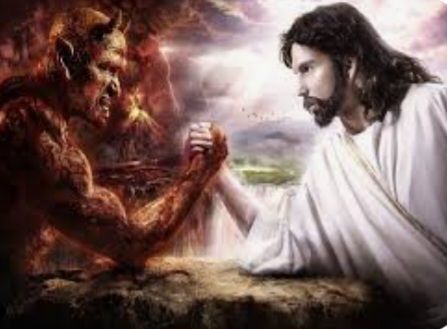
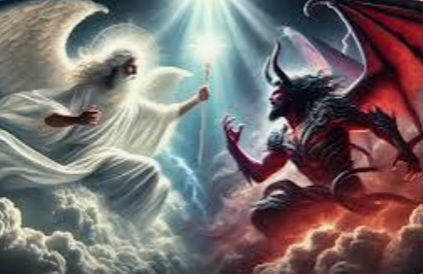
The concepts of God and ghosts are deeply rooted in human thinking. In many cultures, they are seen as opposing forces—God as a benevolent power and ghosts as terrifying entities. However, no one has ever seen God or ghosts in reality, yet society gives significant importance to both concepts. Why is that?
I consider myself a theist. I believe in the concept of God, but I do not accept the concept of ghosts. Why is that? If both are merely concepts, then I should accept both. Does this mean that God is a power beyond human imagination?
No one has ever seen God or ghosts in reality, yet humans give great importance to these concepts. God provides hope and positivity, while ghosts symbolize fear. Even with scientific advancements, these ideas have not disappeared because they are deeply connected to human emotions. Understanding both the concepts of God and ghosts is a part of the evolution of human thinking.
♦️ How Were the Concepts of God and Ghosts Created? :-
Looking at human history, people have always feared the unknown—natural events, mysterious experiences, and the uncertainty of what happens after death. As a result, humans created the concepts of God and ghosts based on their understanding.
(A) How Did the Concept of God Develop? :-
- The need for survival and insecurity led humans to create the idea of God.
- Natural forces like the sun, moon, wind, rain, and fire were given a “divine” status.
- God became a concept that provided protection, guidance, and support.
- Religious beliefs and the idea of God were used to establish moral values and maintain social order.
(B) How Did the Concept of Ghosts Develop? :-
- The uncertainty about what happens after death is the main reason behind the belief in ghosts.
- The idea of ghosts was created to explain unexplained events.
- Stories about ghosts were spread to instill fear and superstition.
- Ghost stories were also used to enforce social rules (e.g., avoiding late-night outings or deserted places).
🔴 Who Believes in God and Ghosts? :-
The human mind is inherently emotional and imaginative, which is why people believe in God or ghosts based on their feelings and circumstances.
(A) Who Believes in God? :-
- People who seek emotional support during difficult times find comfort in the concept of God.
- Many find mental peace through faith and devotion.
- Those who believe in destiny often consider God as their guiding force.
(B) Who Believes in Ghosts? :-
- People try to explain mysterious occurrences through supernatural forces like ghosts.
- Societies with strong fears and superstitions tend to have more ghost stories.
- Beliefs in ancestral spirits and afterlife concepts also contribute to the idea of ghosts.
♦️ The Scientific Perspective on God and Ghosts :-
🔻 Has Science Examined the Concept of God? :-
- There is no scientific evidence proving the existence of God.
- However, studies suggest that faith and spirituality can improve mental well-being.
🔻 Has Science Examined the Concept of Ghosts? :-
- There is no scientific proof that ghosts or spirits exist.
- Some ghostly experiences can be explained by illusions, fear, or strange noises in the dark.
- Sleep paralysis, a state between sleep and wakefulness, often creates the illusion of seeing ghosts.
♦️ Why Do Humans Believe in God and Ghosts? :-
- Psychological Support: In times of crisis, God provides a sense of hope, while ghosts serve as a way to express fear.
- Traditions and Upbringing: Stories passed down through generations reinforce these beliefs.
- Fear and Hope: Humans cannot fully control life, so they create hope through God and fear through ghosts.
- Cultural Influence: Movies, literature, religious texts, and history strengthen these concepts.
“देव आणि भूत : वास्तव की कल्पना…?”
मानवाच्या विचारसरणीमध्ये देव आणि भूत या दोन संकल्पना अतिशय खोलवर रुजलेल्या आहेत. अनेक संस्कृतीमध्ये हे दोघेही एकमेकांचे विरोधी शक्ती म्हणून पाहिले जातात. देव म्हणजे कल्याणकारी, तर भूत म्हणजे भयावह. मात्र, कोणीही प्रत्यक्ष देव किंवा भूत पाहिलेले नाही, तरीही समाज या दोन्हीही संकल्पनांना मोठे स्थान देतो. याचे कारण काय असावे ? मी स्वतःला आस्तिक मानतो. देव ही संकल्पना मला मान्य आहे. पण तेच भूत ही संकल्पना मला अमान्य आहे. मग असे का ? दोन्हीही संकल्पनाच असतील तर मला दोन्हीही मान्य असायला हव्यात. मग देव ही शक्ती मानवी संकल्पनेच्या बाहेरची आहे का ?
कोणीही प्रत्यक्ष देव किंवा भूत पाहिलेले नाही, पण तरीही माणूस या संकल्पनांना महत्व देतो. देव माणसाला आशा आणि सकारात्मकता देतो, तर भूत त्याच्या भीतीचे प्रतीक असते. विज्ञानाच्या प्रगतीनंतरही या संकल्पना संपलेल्या नाहीत, कारण माणसाच्या भावनांशी त्या जोडलेल्या आहेत. देव आणि भूत या दोन्हीही संकल्पना समजून घेणे हे माणसाच्या विचारसरणीच्या विकासाचा एक भाग आहे.
♦️देव आणि भूत यांची निर्मिती कशी झाली? :-
मानवी इतिहास पाहिला तर प्राचीन काळापासून माणसाला अज्ञात गोष्टींची भीती वाटत आली आहे. निसर्गातील घटना, अनाकलनीय अनुभव, मृत्यूनंतर काय होते यावरील गूढता – या सर्व कारणांमुळे माणसाने स्वतःच्या समजुतीनुसार देव आणि भूताच्या कल्पना निर्माण केल्या.
(अ) देवाची संकल्पना कशी तयार झाली?
- मानवाच्या जगण्याच्या गरजा आणि असुरक्षितता यामुळे देवाची कल्पना निर्माण झाली.
- सूर्य, चंद्र, वारा, पाऊस, आगीसारख्या नैसर्गिक शक्तींना माणसाने “दैवी” रूप दिले.
- देव ही एक अशी संकल्पना ठरली, जी संरक्षण, मार्गदर्शन आणि आधार देणारी आहे.
- नैतिक मूल्ये आणि समाजव्यवस्था टिकवण्यासाठी धर्म आणि देवाच्या कल्पनांचा उपयोग करण्यात आला.
(ब) भूताची संकल्पना कशी तयार झाली? :-
- मृत्यूनंतर काय होते, याबाबत असलेली अनिश्चितता ही भूताच्या संकल्पनेमागील मुख्य कारण आहे.
- जे अघटित घडते, त्याला स्पष्टीकरण देण्यासाठी “भूत” ही कल्पना तयार केली गेली.
- भीती आणि अंधश्रद्धा पसरवण्यासाठी भूताच्या गोष्टींचा प्रचार केला गेला.
- समाजातील काही नियम पाळण्यासाठी भूतांच्या कथा उपयोगी पडल्या (उदा. रात्री उशिरा बाहेर पडू नये, निर्जन ठिकाणी जाऊ नये इ.).
🔴 देव आणि भूताला मानणारे माणूस कोण?
मानवाचे मन मूलतः भावनिक आणि कल्पनाशील आहे. म्हणूनच, लोक स्वतःच्या भावना आणि परिस्थितीनुसार देव किंवा भूतावर विश्वास ठेवतात.
(अ) देवावर कोण विश्वास ठेवतो?
- संकटसमयी आधार हवा असणाऱ्या लोकांना देवाच्या संकल्पनेने धीर मिळतो.
OPhLश्रद्धा आणि भक्तीमुळे अनेकजण मानसिक शांतता मिळवतात.
🔸नियतीवर विश्वास ठेवणाऱ्या लोकांना देवाचा आधार वाटतो.
(ब) भूतावर कोण विश्वास ठेवतो?
🔸अनाकलनीय गोष्टींना भूतासारख्या शक्तींच्या माध्यमातून समजून घेण्याचा प्रयत्न केला जातो.
🔸भय आणि अंधश्रद्धा बळकट असलेल्या समाजांमध्ये भूतांच्या गोष्टी अधिक लोकप्रिय असतात.
🔸पूर्वजांच्या आत्म्यांविषयीच्या श्रद्धा, मृत्यूशी संबंधित कल्पना यामुळेही भूताच्या संकल्पना रुजतात.
♦️ विज्ञानाच्या दृष्टिकोनातून देव आणि भूत :-
🔻विज्ञानाने देवाची संकल्पना तपासली आहे का?
- देवाच्या अस्तित्वाचा कोणताही वैज्ञानिक पुरावा नाही.
- मात्र, श्रद्धा आणि अध्यात्म यामुळे मानसिक स्वास्थ्य सुधारते, असे काही अभ्यास सुचवतात.
🔻विज्ञानाने भूताच्या संकल्पना तपासल्या आहेत का?
- भूत किंवा आत्मे याबाबत कोणताही वैज्ञानिक पुरावा नाही.
- काही घटनांमध्ये मनाचे भ्रम, भयगंड, काळोखातील आवाज यामुळे भुताच्या अस्तित्वाचा भास होतो.
- झोपेत अर्धवट जागृती अवस्थेत भास होणे (Sleep Paralysis) हे भूत पाहिल्यासारखे वाटण्याचे कारण असते.
♦️ मग माणूस देव आणि भूत का मानतो?
- मानसिक आधार: जीवनातील संकटांमध्ये देव हा एक मानसिक आधार वाटतो, तर भूत ही भीती व्यक्त करण्याचा मार्ग असतो.
- संस्कार आणि परंपरा: लहानपणापासून सांगितलेल्या गोष्टींमुळे ही कल्पना पिढ्यान्पिढ्या पुढे जात राहते.
- भीती आणि आशा: माणूस स्वतःच्या जीवनावर पूर्ण नियंत्रण मिळवू शकत नाही, म्हणून देवाच्या रूपात आशा आणि भूताच्या रूपात भीती तयार करतो.
- सांस्कृतिक प्रभाव: चित्रपट, कथा, धार्मिक ग्रंथ, इतिहास यामुळे ही संकल्पना अधिक दृढ होते.
:-Mukund Madhukar Hingne.
 avatibhavati.com
यावर आपले मत नोंदवा