Just as the Indian is known across the world for intelligence and skill, he is also recognized as a true food lover. For us Indians, eating is not just a habit—it is a part of our culture. Before we even think of traveling away from our hometown, the first thing we consider is: “Will we get our kind of food there?” Personally, even if I’m traveling just 100 kilometers away, I still think about it.
Now tell me—how can I possibly visit a place where our kind of spicy, flavorful food—especially the fiery touch of chilies—is missing? That’s exactly why I cannot undertake world travel solely for the love of chili.
Although chili is not originally native to India, it has now become so deeply integrated into Indian food culture that without its inclusion, the taste of Indian cuisine feels incomplete. So how can an Indian truly satisfy their palate without the presence of chili? I’m not alone—there are many Indian food lovers like me who would even refuse to enter heaven if they were told they wouldn’t get flavorful Indian food there!
🔸 The Journey of Chili in India: A Spicy History :-
Chili holds a special and indispensable place in Indian kitchens today, but it wasn’t always so. In fact, chili is not native to India—its history in the country begins around the 15th or 16th century.
▪️ Origin of Chili :-
Chili pepper is originally a plant from the South American continent. Especially in regions like modern-day Mexico, Peru, and Bolivia, chilies have been cultivated for thousands of years. The native people used chili to bring heat to their food, and it was deeply rooted in their culture.
🔸 Arrival in India – The Portuguese Connection :-
In the 1500s, after Vasco da Gama’s arrival in India, Portuguese traders began to establish their presence. These traders came to India primarily for the spice trade. Along with them, they introduced crops like chili, potato, maize, and tomato to India. Chili first entered through the coastal regions of Goa and Konkan.
▪️ How was food made spicy before chili? :-
Before the arrival of chili, Indian cuisine used other ingredients to add heat—like black pepper, ginger, garlic, dry ginger (suntha), and asafoetida (hing). So the taste of “spice” wasn’t new, but the way it was achieved was different.
🔸 Chili’s Acceptance in Indian Climate :-
The Indian climate and soil proved to be very favorable for chili cultivation. Soon, its farming spread across various parts of the country. Within a few decades, chili gained so much popularity that it became an integral part of traditional Indian spice blends.
▪️ Regional Chilies and India’s Spicy Identity :-
Today, different regions in India are known for their unique varieties of chili—such as Byadgi chili (Karnataka), Bhivapuri chili (Maharashtra), Dhangar chili (Telangana), and Bhut Jolokia (Northeast India). Each variety differs in taste, color, and spiciness.
🔸 Chili: Now an Inseparable Part of Indian Food Culture :-
So deeply integrated is chili in Indian cooking today that it’s hard to imagine Indian food without it. A spice once completely unknown in the land is now found in every household, every hotel kitchen, every festival, and even in the hands of street vendors selling snacks like bhel and panipuri.
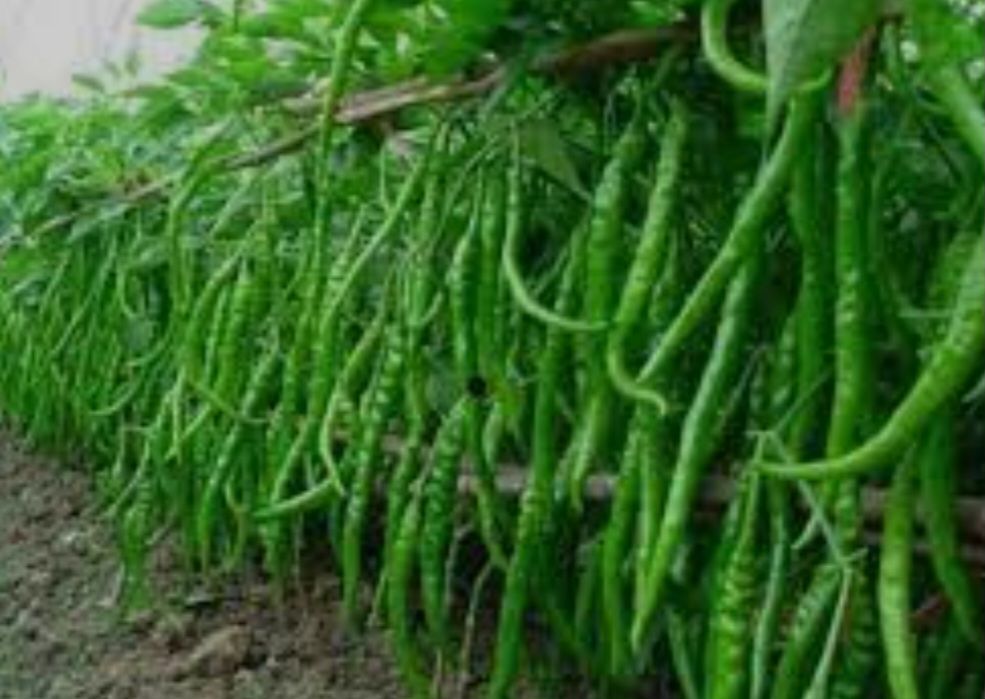
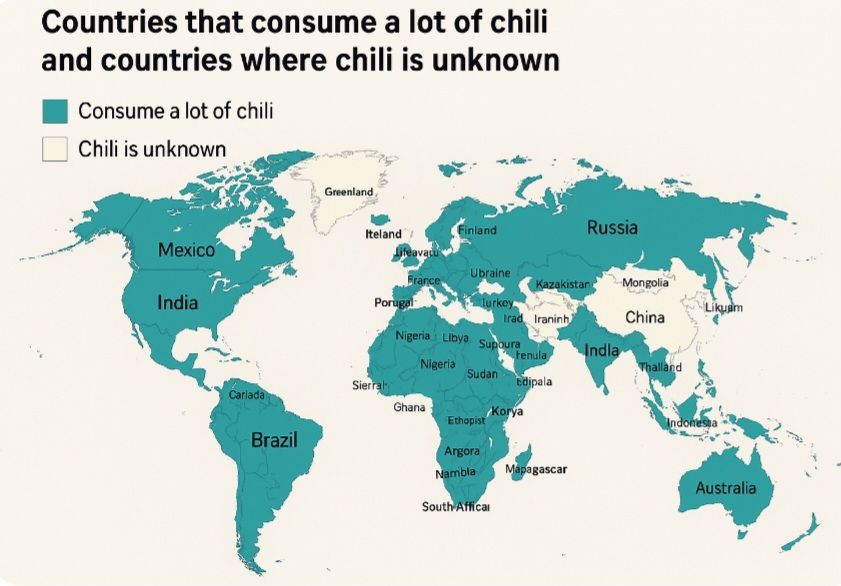
Spicy chili has now become an essential part of the food culture in many countries across the world. However, it’s not equally loved everywhere. Let’s look at countries in two categories:
- Countries where chili is widely consumed:
These nations are known for their chili-rich cuisines:
India – A wide variety of hot chilies are used across different regions.
Mexico – Chili peppers are at the heart of their food culture.
Thailand – Famous for its extremely spicy dishes.
Sri Lanka – Known for chili-based curries and spicy flavors.
South Korea – Chili is prominent in dishes like gochujang, Korean chili powder, and kimchi.
China (especially Sichuan province) – Renowned for intense spiciness.
Ethiopia – Due to the hot spice blend called ‘berbere’.
Nigeria – Spicy and chili-rich foods are common.
- Countries that use little or no chili:
These countries typically use milder spices, or chili is not a regular part of their cuisine:
Japan – Prefers mild-tasting foods. Though some dishes are spicy, chili is not used regularly.
France – Limited use of chili; spices are generally subtle.
Italy – Chili is rarely used in pizza or pasta.
Scandinavian countries (Norway, Sweden, Denmark) – Foods are mildly seasoned; chili is used very little.
Ukraine/Russia – Chili usage is minimal; the cold climate influences their preference for mild spices.
Germany – A mild culinary culture with very limited use of chili.
Conclusion:
The use of chili largely depends on geographic and cultural traditions. Tropical countries tend to use more chili, while colder European and Scandinavian nations lean toward milder flavors.
So, if half the world loves chili and the other half avoids it… then if I decide to travel only to chili-loving countries, wouldn’t it feel like roaming around in my own backyard?
“केवळ मिरचीच्या प्रेमापोटी मी जगभ्रमंतीचे स्वप्न पाहू शकत नाही…!”
जगभरात भारतीय माणूस जसा बुध्दीकौशल्यासाठी ओळखला जातो तसाच तो खाद्यप्रेमी म्हणूनही ओळखला जातो. खाणे ही आम्हा भारतीयांची फक्त सवय नाही तर ती आमची “संस्कृती” आहे. आम्ही आमचे राहते ठिकाण सोडून इतरत्र भ्रमंतीसाठी जाण्याअगोदर पहिल्यांदा आपले खाद्यपदार्थ तिथं मिळतील का ?- याचाच पहिल्यांदा विचार करतो. मी तर १०० किलोमीटर दूर जाताना पण याचा विचार करतो. मग मला सांगा आमच्या खाद्यपदार्थात जो चमचमीतपणा असतो अर्थात मिरचीचा वापर नसेल अशा ठिकाणी मी कसा जाणार ? म्हणूनच केवळ मिरची प्रेमापोटी मी जगभ्रमंती करू शकत नाही.
मिरची ही मूळची भारतातील नसली तरी आता ती भारताच्या खाद्यसंस्कृतीशी एव्हढी एकरूप झाली आहे की, तिच्या समावेशाशिवाय भारतीय खाद्यपदार्थांची लज्जतच अर्धवट राहील. मग भारतीय माणूस मिरचीच्या सोबतीशिवाय आपली खाद्यरुची कशी पूर्ण करू शकेल. मी एकटाच नाही तर, माझ्यासारखे अनेक भारतीय खाद्यप्रेमी आहेत ज्यांना भारतीय पध्द्तीचे लज्जतदार भोजन जर मिळणार नसेल तर ते परमेश्वराला स्वर्गात देखील जायला नकार देतील.
🔸 मिरचीचा भारतातला प्रवास : एक तिखट इतिहास
भारतीय स्वयंपाकघरात मिरचीला आज जशी अनन्यसाधारण महत्त्वाची जागा आहे, तशी ती प्राचीन काळात नव्हती. मिरची भारतातली मूळची नसून तिचा भारतातला इतिहास साधारणपणे १५व्या-१६व्या शतकात सुरू होतो.
- मिरचीचे मूळस्थान :-
मिरची (Chili Pepper) ही मूळची वनस्पती दक्षिण अमेरिका खंडातील आहे. विशेषतः आजचा मेक्सिको, पेरू, बोलिव्हिया या भागांत हजारो वर्षांपासून मिरचीची लागवड होत होती. तेथील स्थानिक लोक मिरचीचा वापर अन्नामध्ये तिखटपणा आणण्यासाठी करत होते, आणि ती त्यांच्या संस्कृतीचा भाग होती.
🔸 भारतात आगमन – पोर्तुगीजांचा वाटा :-
१५००च्या दशकात, वास्को-द-गामा भारतात आल्यानंतर पोर्तुगीज व्यापाऱ्यांचा भारतात प्रवेश झाला. हे व्यापारी भारतात मसाल्यांचा व्यापार करण्यासाठी आले होते. त्यांनीच मिरची, बटाटा, मका, टोमॅटो यांसारखी पिकं भारतात प्रथमच आणली. गोवा व कोकण किनारपट्टीतून मिरचीने भारतात प्रवेश केला.
🔸 त्याआधी भारतात तिखटपणा कसा? :-
मिरचीच्या आधी भारतीय स्वयंपाकात तिखटपणासाठी काळी मिरी (black pepper), आलं, लसूण, सुंठ, हिंग यांचा वापर होत असे. त्यामुळे “तिखट” ही चव नवीन नव्हती, पण ती मिळवण्याचे माध्यम मात्र वेगळे होते.
🔸 भारतीय हवामानात मिरचीचा स्वीकार :-
भारतीय हवामान व माती मिरचीसाठी अनुकूल ठरली आणि लवकरच भारताच्या विविध भागांमध्ये मिरचीची लागवड सुरू झाली. काही दशकांतच ती इतकी लोकप्रिय झाली की ती पारंपरिक मसाल्यांमध्ये आपले स्थान निर्माण करू लागली.
🔸 प्रादेशिक मिरच्या आणि भारताचा तिखट स्वभाव :-
आज भारतात विविध भागांमध्ये वेगवेगळ्या प्रकारच्या मिरच्या पाहायला मिळतात – जसे की बेडगी मिरची (कर्नाटक), भिवापुरी मिरची (महाराष्ट्र), धनगर मिरची (तेलंगणा), भूत जोलोकिया (ईशान्य भारत). प्रत्येक मिरचीची चव, रंग आणि तिखटपणा वेगळा.
🔸 मिरची: आता भारतीय खाद्यसंस्कृतीचा अविभाज्य भाग :-
आजची परिस्थिती अशी आहे की मिरचीशिवाय भारतीय स्वयंपाकाची कल्पनाच करता येत नाही. ज्या मिरचीला पूर्वी कोणी ओळखतही नव्हतं, ती आज घराघरांत, हॉटेलांमध्ये, उत्सवांत, भेळ-पाणीपुरीवाल्यांच्या हातातही प्रमुख बनली आहे.
खवखवीत मिरची ही आज जगभर अनेक देशांच्या खाद्यसंस्कृतीचा महत्त्वाचा भाग आहे. मात्र, ती सर्वत्र एकसारखी प्रिय आहे असं नाही. खाली आपण दोन गटांमध्ये देशांचा विचार करूया:
- मिरची खूप खाल्ली जाणारे देश :-
हे देश मिरचीयुक्त जेवणासाठी प्रसिद्ध आहेत:
- भारत – विविध प्रकारच्या तिखट मिरच्यांचा वापर सर्वत्र होतो.
- मेक्सिको – मिरची (chili peppers) हे त्यांच्या खाद्यसंस्कृतीचं केंद्र आहे.
- थायलंड – अतिशय तिखट जेवणासाठी प्रसिद्ध.
- श्रीलंका – मिरचीयुक्त करी व मसाल्यांसाठी ओळख.
- कोरिया (दक्षिण) – गोचुजांग, कोरियन तिखट, किमची इ.मध्ये मिरचीचा वापर.
- चीन (विशेषतः सिचुआन प्रांत) – तीव्र तिखटपणासाठी ओळखला जातो.
- इथिओपिया – ‘बेरबेरे’ नावाच्या तिखट मसाल्यामुळे.
- नायजेरिया – तिखट आणि मसालेदार पदार्थ प्रचलित आहेत.
- मिरची कमी किंवा न वापरणारे देश :-
या देशांत मिरची फारशी वापरली जात नाही, किंवा खाद्यसंस्कृती तिखट नसते:
- जपान – सौम्य चव असलेलं जेवण प्राधान्याने. काही पदार्थांत थोडं तिखट असलं तरी मिरची नियमित वापरात नाही.
- फ्रान्स – मिरचीयुक्त अन्न तुलनेत कमी; मसाले सौम्य असतात.
- इटली – पिझ्झा/पास्ता मध्ये मिरची क्वचितच वापरली जाते.
- स्कँडिनेव्हियन देश (नॉर्वे, स्वीडन, डेन्मार्क) – सौम्य चव असलेले पदार्थ. मिरची फार कमी प्रमाणात.
- युक्रेन/रशिया – मिरचीचा फारसा वापर नाही, बर्फाळ हवामानामुळे मसाले सौम्य असतात.
- जर्मनी – खाद्यसंस्कृती सौम्य, मिरची वापर अत्यल्प.
निष्कर्ष:
मिरची खाण्याची सवय मुख्यतः भौगोलिक व सांस्कृतिक परंपरेवर अवलंबून असते. उष्णकटिबंधीय देशांमध्ये मिरची अधिक वापरली जाते, तर थंड हवामान असलेल्या युरोपीय व स्कँडिनेव्हियन देशांत ती कमीच पाहायला मिळते.आता तुम्हीच सांगा अर्धा जग मिरची प्रिय आहे तर उर्वरित जगाला मिरची नकोय…मग मी फक्त मिरचीवाल्या देशात भ्रमंती करायची म्हंटलं तर आपल्याच घरात फिरल्यासारखे होईल ना…!
:-Mukund Madhukar Hingne.
 avatibhavati.com
Leave a reply to Nicholas K F Matte उत्तर रद्द करा.