No matter the era, inflation has always continued to rise in the present. However, with time, people begin to see the inflation of the past as a period of affordability. That’s why a topic like “The Affordability of Your Childhood” can be unique and interesting from each person’s perspective. For someone like me, born in 1966, this subject carries a different flavor. For us, the 1970s and 80s were truly a golden era — of both childhood and affordability.
Though inflation has certainly increased today, the affordability of our childhood was not just about prices — it was about the simplicity of emotions, the strength of relationships, the limits of our needs, and the true value of humanity. Even today, those memories bring a quiet, comforting sense of peace to our hearts.
Affordability in Daily Life
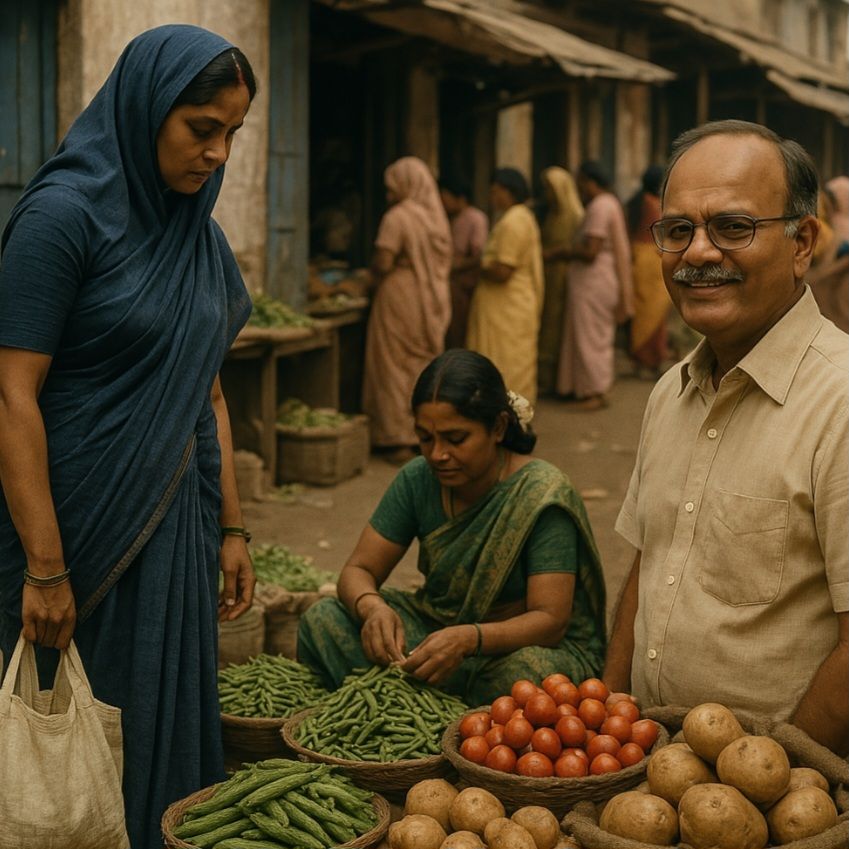
When mother went to the market in the morning, she would buy vegetables for the whole week with just 5 rupees. Tomatoes were 25 paise per kilo, potatoes 30 paise per kilo, and onions 40 paise per kilo. Sugar was 2 rupees per kilo, rice at 1.25 rupees, and wheat just 80 paise per kilo. A bottle of milk cost 90 paise, or we would enjoy the pure, chemical-free sweetness of fresh milk from our own calf.
Simplicity in School Life
School fees were around 30–40 rupees a year. Notebooks and textbooks could be bought for 10–15 rupees. Stitching a school uniform cost 25 rupees. A new uniform felt like a luxury. Shoes were bought only on special occasions. Lunch was simple—chapati with some curry and maybe a piece of jaggery and peanuts—but the satisfaction was immense.
Entertainment and Games
Movie tickets cost 1.50 rupees for the balcony, 75 paise for the gallery. Watching a play in a theatre was a family celebration. There was no TV, but listening to “Vividh Bharati” and “Weekly Chitramala” on the radio was a treat. Outdoor games were our real entertainment—marbles, lagori, tipcat, kitchen play—simple joys from the heart, and all for almost nothing.
Transport and Travel
Bus fare started at 10 paise. Owning a bicycle meant you were considered wealthy. Guests coming from Pune would say the train ticket to Pune cost 7 rupees. An auto-rickshaw at the doorstep was reserved for very special occasions. We kids would gather around it out of sheer curiosity when it came to pick up guests. It felt like a marvel.
Festivals, Ceremonies, and Celebrations
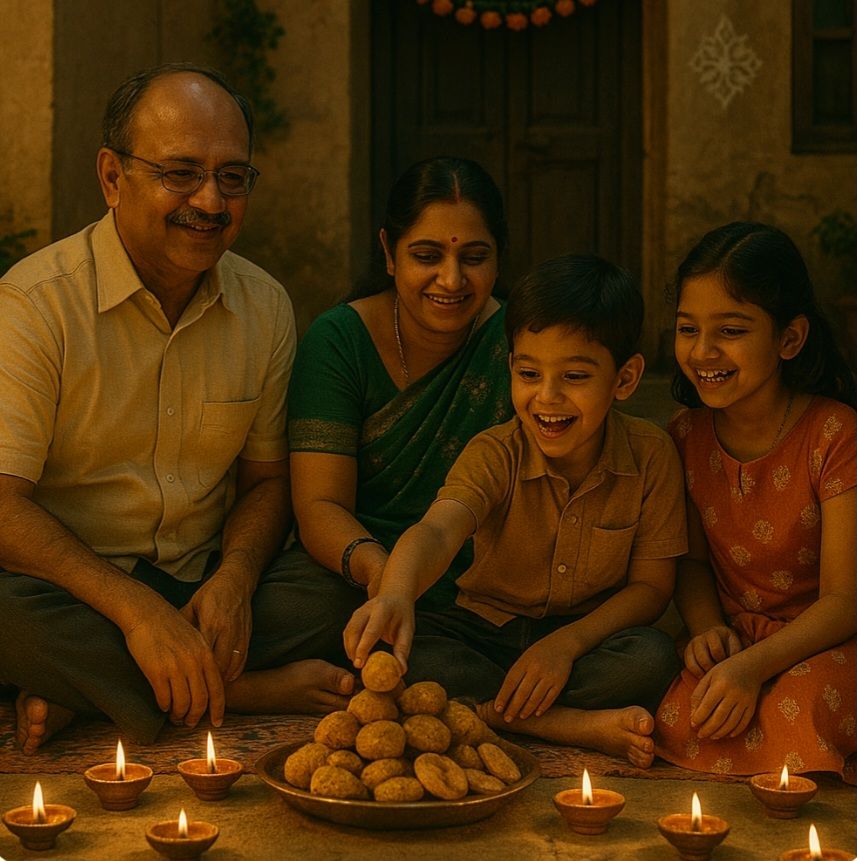
Diwali snacks were all homemade—laddus, chakli, karanji—prepared with very little expense. A large bag of firecrackers could be bought for just 5 rupees. Meals at weddings never cost more than 10 rupees per person. All the wedding guests would stay at home; there were no hotels involved.
Housing and Lifestyle
You could rent a house for 20–30 rupees. Electricity cost 10 paise per unit. Having a fan or a radio was a sign of wealth. A fridge, television, or telephone were awe-inspiring possessions. And yet, homes were filled with contentment.
Inner Richness
Even in those days, people used to say that prices were rising. But when we look back now, we realize how much joy, satisfaction, and relationships we nurtured with such little money. That affordability carried with it a warmth and harmony we deeply cherish even today.
“प्रत्येकाच्या बालपणीची महागाई आता ‘स्वप्नवत’ वाटते…!”
काळ कोणताही असो, त्या-त्या वेळी वर्तमानात महागाई ही वाढतच राहिली, मात्र भूतकाळातील महागाईला लोक स्वस्ताई समजू लागले. त्यामुळे “तुमच्या बालपणातील स्वस्ताई” असा विषय प्रत्येकाच्या दृष्टीने वेगळा आणि रंजक असू शकतो. १९६६ मध्ये जन्मलेल्या माझ्यासारख्यांचा हा विषय वेगळा असू शकतो. माझ्यासारख्यांसाठी, १९७०-८० चा काळ म्हणजे बालपणाचा आणि सोबतच स्वस्ताईचा सुवर्णकाळ होता.
आज महागाई वाढलेली असली तरी बालपणातील ती स्वस्ताई केवळ दरांच्या संदर्भात नव्हती — ती स्वस्ताई होती भावविश्वाची, नात्यांची, गरजांच्या सीमांची आणि माणुसकीच्या मोलाची. त्या आठवणी आजही अंतर्मनात आपल्याला एक शांत, सुखद थंडावा देतात.
दैनंदिन जीवनातील स्वस्ताई
सकाळी आई जेव्हा बाजारहाट करायला जायची, तेव्हा ५ रुपयांत आठवड्याचा भाजीपाला यायचा. टोमॅटो २५ पैसे किलो, बटाटे ३० पैसे किलो, आणि कांदे ४० पैसे किलो मिळायचे. साखर किलोला २ रुपये, तांदूळ १.२५ रुपये किलो, आणि गहू ८० पैसे किलो होता. दुधाची बाटली ९० पैसे, आणि घरच्या पाडसाच्या दूधाने मग स्वतःहून भरलेली रसायनमुक्त गोडी.
शालेय जीवनातील साधेपणा
शाळेच्या फी म्हणजे वर्षाला ३०-४० रुपये. वह्या-पुस्तकं १०-१५ रुपयांत मिळायची. शालेय गणवेश शिवून घेण्याचा खर्च २५ रुपये. नवा गणवेश हा चैनीचा भाग वाटायचा. बुट घ्यायचे म्हणजे एखादी विशेष प्रसंगीच. लंचमध्ये पोळीभाजी आणि एखादा गूळ-शेंगदाणा, पण समाधान मोठं.
मनोरंजन आणि खेळ
चित्रपटाचं तिकीट — बाल्कनीत १.५० रुपये, गॅलरीत ७५ पैसे. नाट्यगृहातलं नाटक पाहायला जाणं म्हणजे कौटुंबिक उत्सव. टीव्ही नव्हता, पण रेडिओवरची “विविध भारती” आणि “साप्ताहिक चित्रगीत” म्हणजे मजा. मैदानी खेळ हेच आमचं मनोरंजन — गोट्या, लगोरी, विटीदांडू, भातुकली — सगळं स्वस्त आणि मनापासून.
वाहतूक आणि प्रवास
एस.टी. बसचं भाडं १० पैसेपासून सुरु. सायकल ही घरात असल्यास समजायचं की आपण श्रीमंत आहोत. पुण्याला गेलेल्या पाहुण्याकडून सांगितले जायचे की पुणे रेल्वे तिकीट ७ रुपये. रिक्षा ही फक्त फारच खास प्रसंगी दारात यायची. आम्ही मुले दारात पाहुण्यांना घेवून येणाऱ्या रिक्षाच्या भोवती गोळा व्हायचो. तो देखील एक कुतूहलाचा विषय असायचा.
सण, समारंभ आणि उत्सव
दिवाळीचा फराळ घरीच तयार व्हायचा — लाडू, चकली, करंजी — अगदी मोजक्या पैशांत. फटाके ५ रुपयांत मोठी पिशवी भरून यायचे. लग्नसमारंभातल्या जेवणाचा खर्च कधी १० रुपयांपेक्षा अधिक नसायचा. वऱ्हाडातील प्रत्येक व्यक्ती घरातच रहायची, हॉटेलं नव्हतीच.
घर आणि रहाणीमान
भाड्याचं घर २०–३० रुपयांत मिळायचं. विजेचा दर म्हणजे १० पैसे युनिट. पंखा आणि रेडिओ हे “श्रीमंतीचे लक्षण”. फ्रिज, टीव्ही, टेलिफोन म्हणजे अवाक करणाऱ्या गोष्टी. पण तरीही घरात समाधान भरभरून.
मनातली समृद्धी
खरं तर त्या काळातही लोक म्हणायचे की महागाई वाढतेय. पण आज जेव्हा मागे वळून पाहतो, तेव्हा लक्षात येतं की किती कमी पैशांत किती अधिक आनंद, समाधान, आणि नाती जगत होतो. त्या स्वस्ताईमध्येही एक प्रेमळ ऊब होती, एक सुसंवाद होता.
:-Mukund Madhukar Hingne.
 avatibhavati.com
Leave a reply to मुकुंद हिंगणे उत्तर रद्द करा.