April and May mark the peak of the Indian summer. Though the heat can be intense, there’s something in this season that brings sweetness and a sense of coolness despite the scorching weather — the irresistible charm of mangoes and jackfruit. These two fruits hold a special place in every Indian’s heart. Why? Because of their unique taste and the pride in knowing that both are authentically Indian.
Yes, mango (Mangifera indica) and jackfruit (Artocarpus heterophyllus) are native to India (and the greater South Asian region). Their history is deeply rooted in the Indian subcontinent for thousands of years, with mentions found in ancient Indian literature, medical texts, and religious scriptures.
Now, as these truly Indian fruits begin to fill the markets, everyone is ready — to beat the heat and to satisfy their summer cravings with this seasonal delight.
Yes, both mango and jackfruit are originally native to India, and references to them can be found in Indian texts dating back thousands of years. These fruits have been — and still are — an integral part of Indian life, not just as food, but also from medicinal, religious, and cultural perspectives.
Mango
Origin:
Mango (Mangifera indica) is originally native to India, particularly the regions of Northeast India, Bangladesh, and Myanmar.
History:
The history of mango dates back over 4,000 years. It is mentioned in the Ramayana, Mahabharata, as well as in Buddhist texts. It is said that Lord Buddha would meditate under a mango tree.
Spread to Other Countries:
Mangoes were introduced to Southeast Asia by Indian traders and Buddhist monks. Later, during the era of Muslim invasions, they reached Persia and Arab countries. The Portuguese brought mangoes to Africa and South America in the 15th–16th centuries.
Cultural Significance:
The mango is not just a fruit — its leaves, flowers, and tree are also used in various religious rituals and ceremonies.
Jackfruit
Origin:
Jackfruit (Artocarpus heterophyllus) is also native to the forests of India, Bangladesh, Sri Lanka, and Malaysia. The Western Ghats in India are considered a primary center of origin.
History:
Jackfruit is mentioned in Sangam literature, the Charaka Samhita, and other Ayurvedic texts. It was used both as food and for its medicinal properties.
Spread to Other Countries:
From South India, jackfruit spread to Malaysia and Indonesia, and later, with the help of Portuguese and Dutch colonists, it reached Africa and the Caribbean islands.
Uses:
Young jackfruit is cooked and used in savory dishes, while the ripe fruit is sweet and fragrant. Its seeds are also edible.
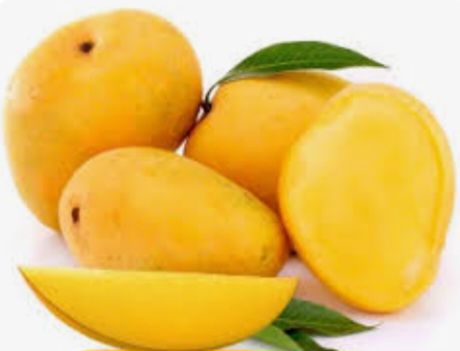
“भारतातील उन्हाळा म्हणजे आंबा आणि फणसाची मेजवानी…!”
एप्रिल आणि मे महिना म्हणजे उन्हाळ्याचा अगदी तापलेला कालावधी. अंगाची काहिली होत असली तरी या मोसमात एका अवीट गोडीचे आकर्षण उष्ण वातावरणात देखील गोडवा आणि थंडावा निर्माण करते. आंबा आणि फणस ही दोन फळे. या दोन्ही फळांचे आकर्षण नाही असा भारतीय होवूच शकत नाही. कारण एकतर या फळांची गोडी, आणि ही दोन्ही फळे अस्सल भारतीय आहेत याचा अभिमान. होय, आंबा (Mango) आणि फणस (Jackfruit) ही दोन्ही फळे मूळची भारतातील (आणि एकंदर दक्षिण आशियातील) आहेत. त्यांचा इतिहास हा हजारो वर्षांपूर्वीपासून भारतीय उपखंडाशी जोडलेला आहे. त्यांचा उल्लेख प्राचीन भारतीय साहित्य, वैद्यकीय ग्रंथ आणि धार्मिक ग्रंथात आढळतो. असे अस्सल भारतीय असलेले आंबा आणि फणस आता बाजारात उपलब्ध होत असून उन्हाळा सुसह्य करण्यासाठी आणि जिभेचे चोचले पुरविण्यासाठी प्रत्येकजण सज्ज झाला आहे.
होय, आंबा आणि फणस ही दोन्ही फळे मूळची भारतातीलच आहेत, आणि त्यांचा उल्लेख हजारो वर्षांपूर्वीच्या भारतीय ग्रंथात आढळतो. ही फळे केवळ खाण्यापूरतीच नव्हे, तर औषधीय, धार्मिक व सांस्कृतिक दृष्टिकोनातूनही भारतीय जीवनाचा भाग होती आणि अजूनही आहेत.
आंबा (Mango)
मूळ उत्पत्ती: आंब्याचे (Mangifera indica) मूळ भारतातच आहे, विशेषतः ईशान्य भारत, बांगलादेश, आणि म्यानमार या भागांत.
इतिहास: आंब्याचा इतिहास ४००० वर्षांहून अधिक जुना आहे. रामायण, महाभारत, तसेच बौद्ध ग्रंथांमध्ये आंब्याचा उल्लेख आहे. भगवान बुद्ध ध्यानासाठी आंब्याच्या झाडाखाली बसत, असे उल्लेख आहेत.
विदेशात प्रसार: आंबा भारतीय व्यापार्यांनी आणि बौद्ध भिक्षूंनी दक्षिण-पूर्व आशियात आणि नंतर मुस्लिम आक्रमकांच्या काळात पर्शिया व अरबी देशांत नेला. पोर्तुगीजांनी १५व्या-१६व्या शतकात आंबा आफ्रिका आणि दक्षिण अमेरिकेत नेला.
सांस्कृतिक महत्त्व: आंबा फक्त फळच नाही, तर त्याची पाने, फुले व झाडाचा उपयोग धार्मिक विधींमध्येही होतो.
फणस (Jackfruit)
मूळ उत्पत्ती: फणस (Artocarpus heterophyllus) हे फळही भारत, बांगलादेश, श्रीलंका आणि मलेशियाच्या जंगलांमध्ये नैसर्गिकरित्या उगम पावलेले आहे. विशेषतः पश्चिम घाट हे फणसाच्या उत्पत्तीचे एक केंद्र मानले जाते.
इतिहास: सांगम साहित्य, चरक संहिता, आणि इतर आयुर्वेदिक ग्रंथांमध्ये फणसाचा उल्लेख आढळतो. त्याचा वापर खाद्यपदार्थांमध्ये आणि औषधी घटक म्हणून केला जात असे.
विदेशात प्रसार: दक्षिण भारतातून फणस मलेशिया, इंडोनेशिया आणि नंतर पोर्तुगीज व डच वसाहतकऱ्यांच्या मदतीने आफ्रिका आणि कॅरिबियन बेटांमध्ये नेला गेला.
उपयोग: फणसाचे कोवळे शिजवून भाजीसाठी वापरले जातात, तर पक्के फळ गोडसर आणि सुगंधी असते. त्याचे बिया सुद्धा खातात.
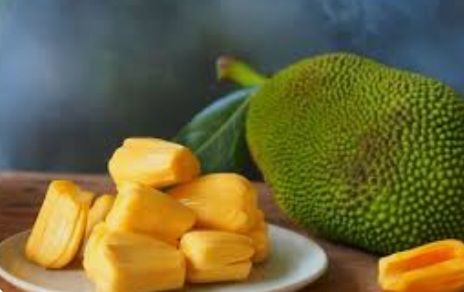
:-Mukund Madhukar Hingne.
 avatibhavati.com
यावर आपले मत नोंदवा