If a war between two countries begins to lean towards a world war, then in such a situation, whose orders will the soldiers on the actual battlefield follow? Will they obey their respective army chiefs or the voice of the world that speaks for all of humanity? This question is not merely theoretical; it is backed by numerous historical examples. It is said that in today’s times, if a conflict between two nations reaches an unresolved state, the ensuing war will be fought to a decisive end. In doing so, both war-hungry nations, using destructive and devastating nuclear weapons, will push the world into the abyss of a world war.
The so-called "voice of the world" is essentially a moral appeal, aimed at stopping the war. But the soldier on the battlefield does not act upon it directly. He fights for his country, his commitment, and under the orders of his commanding officer. A soldier who decides to fight for humanity instead is seen as a rebel against the orders of his own country—and that is extremely rare.
🔸 A Soldier’s Oath of Discipline – Nation Above All
Every soldier, upon enlistment, takes an oath—to risk his life for the protection of his country. For a soldier on the battlefield, “national interest” becomes the ultimate truth. His training, discipline, and mindset are all centered around the nation and military command. Therefore, obeying the orders of his commanding officer becomes natural and inevitable.
🔸 The Global Message and the Call of Humanity – Yet Indirect
When a war escalates toward a large-scale conflict, messages begin to emerge from the United Nations, various international organizations, citizens of different countries, intellectuals, artists, and peace envoys—pleading “Stop the war” or “Don’t fight against humanity.” Even if such messages reach the soldiers on the battlefield, they can only create emotional impact—they cannot bring about decisive change.
🔸 Listening to the “World” – Which ‘World’?
What does it actually mean to “listen to the world”?
- The United Nations?
- The opinions of powerful nations?
- Sentiments on social media?
- Countries advocating peace?
All of these are confusing options. For a soldier on the battlefield, the “world” is a vague concept. In front of him stands only one thing—an order—and that order comes from his military commander.
🔸 Mental State on the Battlefield
While at war, a soldier functions in survival mode. He doesn’t engage in philosophical thoughts about what the world thinks. His mind is occupied with a cycle of “orders – execution – defense – counterattack.”
🔸 Change Must Come from Higher Levels to Stop War
Even if soldiers feel regret about the war, they do not have the authority to stop it. Political leaders, military officials, and international institutions are the ones who can make decisive calls. A soldier is a ‘follower of orders’, not a ‘policy maker’.
🔸 A Few Exceptional Instances
There are historical examples where soldiers, disillusioned with war, chose the path of peace:
- In the First World War, during the 1914 Christmas Truce, German and British soldiers paused the war for a few hours to exchange greetings.
- In some places, soldiers chose to lay down arms, become prisoners of war, or retreat—but these are exceptions, not the rule.
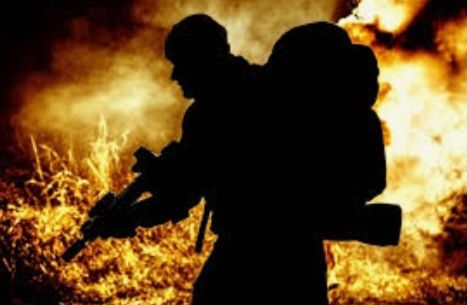
“युद्धभूमीवरचा सैनिक कोणाच्या आदेशाचे पालन करतो…?”
दोन देशांमधील युद्ध जर महायुद्धाच्या दिशेने झुकत असेल, तर त्या परिस्थितीत प्रत्यक्ष युद्धभूमीवर असलेले सैनिक कोणाच्या आदेशाचे पालन करतील ? आपापल्या लष्करप्रमुखांचे की संपूर्ण मानवतेसाठी बोलणाऱ्या जगाचे ? हा प्रश्न केवळ तात्विक नाही, तर अनेक ऐतिहासिक उदाहरणांनी व्यापलेला आहे. असं म्हणतात की, आताच्या काळात दोन देशांमधील वाद न मिटण्याच्या स्थितीत पोहोचले तर होणारे युद्ध हे निर्णायक स्थितीपर्यंत लढले जाईल. यातूनच संहारक आणि विनाशकारी अण्वस्त्रांचा वापर करीत दोन्ही युद्धखोर देश जगाला महायुद्धाच्या खाईत लोटतील.
तथाकथित 'जगाचे' म्हणणे म्हणजे नैतिक अपील असते, युद्ध थांबवण्यासाठी प्रयत्नशील असते. पण रणभूमीवरील सैनिक त्याच्यावर प्रत्यक्ष कृती करत नाही. तो आपला देश, आपली वचनबद्धता आणि लष्करप्रमुखाच्या आदेशानुसार लढतो. मानवतेसाठी लढण्याचा निर्णय घेणारा सैनिक म्हणजे आपल्या देशाच्या आदेशाच्या विरोधात बंड करणारा होतो-आणि ते फारच दुर्मिळ असते.
🔸 सैनिकाचे शिस्तीचे वचन – राष्ट्र सर्वोपरि
प्रत्येक देशाचा सैनिक भरती होताना एक शपथ घेतो – तो आपल्या देशाच्या संरक्षणासाठी प्राण पणाला लावेल. त्यामुळे युद्धभूमीवर असलेल्या सैनिकासाठी “राष्ट्रहित” हेच अंतिम सत्य असते. त्याचं ट्रेनिंग, शिस्त, विचारसरणी ही राष्ट्र आणि लष्करी कमांड याभोवती केंद्रित असते. त्यामुळे त्याने आपल्या लष्करप्रमुखाचेच ऐकणे हे साहजिक आणि अपरिहार्य असते.
🔸 जागतिक संदेश आणि मानवतेची हाक – परंतु अप्रत्यक्ष
जेव्हा युद्धाचे स्वरूप महायुद्धाच्या दिशेने जाते, तेव्हा संयुक्त राष्ट्र संघ, विविध आंतरराष्ट्रीय संघटना, देशांची जनता, बुद्धिजीवी, कलाकार, शांतीदूत यांच्याकडून “युद्ध थांबवा”, “मानवतेसाठी लढू नका” असे संदेश येतात. पण हे संदेश प्रत्यक्ष रणभूमीवरील सैनिकांपर्यंत पोहोचले तरी, ते केवळ भावनिक प्रभाव टाकू शकतात – निर्णयात्मक बदल घडवू शकत नाहीत.
🔸 “जगाचे” ऐकणे – कोणता ‘जग’?
- “जगाचे ऐकणे” म्हणजे नेमकं कोणाचं ऐकणं?
- संयुक्त राष्ट्र संघ?
- मोठ्या शक्तिशाली राष्ट्रांचे मत?
- सोशल मीडियावरील जनभावना?
- शांतीचा आग्रह करणारे देश?
हे सर्व गोंधळात टाकणारे पर्याय आहेत. रणभूमीवरील सैनिकासाठी “जग” हे एक धूसर संकल्पना असते. त्याच्या समोर असतो फक्त आदेश — तो आदेश देशाच्या लष्करप्रमुखाकडून आलेला असतो.
🔸 युद्धभूमीतील मानसिक अवस्था
युद्धात असताना सैनिक survival mode मध्ये असतो. तेव्हा तो तात्त्विक विचार करत नाही की जग काय म्हणेल. त्याचा मेंदू “आदेश – अंमलबजावणी – बचाव – प्रतिहल्ला” या साखळीतच गुंतलेला असतो.
🔸युद्ध थांबवण्यासाठी वरच्या स्तरावर बदल आवश्यक
सैनिकांच्या मनात जरी युद्धाबद्दल खंत असली, तरी युद्ध थांबवण्याचा अधिकार त्यांच्याकडे नसतो. युद्धाच्या निर्णायक टप्प्यावर राजकीय नेते, लष्करी अधिकारी, आंतरराष्ट्रीय संस्थाच निर्णय घेऊ शकतात. सैनिक ‘आदेशांचे पालन करणारा’ असतो, ‘नीती ठरवणारा’ नसतो.
🔸 काही अपवादात्मक प्रसंग
इतिहासात काही उदाहरणे आहेत जिथे सैनिकांनी युद्ध नकोसे वाटल्याने शांततेचा मार्ग स्वीकारला:
- पहिल्या महायुद्धात १९१४ च्या ख्रिसमस ट्रूस (Christmas Truce) मध्ये जर्मन आणि ब्रिटिश सैनिकांनी काही तास युद्ध थांबवून एकमेकांना शुभेच्छा दिल्या.
- काही जागी सैनिकांनी शस्त्र टाकून देणे, युद्धबंदी होणे, किंवा माघार घेणे हे निर्णय घेतले – पण हे अपवाद असतात, नियम नव्हे.
:-Mukund Madhukar Hingne.
 avatibhavati.com
यावर आपले मत नोंदवा