The question, “How many generations does DNA remain alive in families that have left a mark on history?”—such as royal dynasties, fort keepers, landlords, or lineages renowned for art, architecture, or culture—often lingers in the minds of common people. This is because historic lineages tend to leave a lasting impression on the public psyche.
Especially after the fall of royal powers, many generations were born. In several cases, these lineages had no biological heirs, so adopted sons were declared successors. In such situations, did the original DNA lineage come to an end? On what basis should legacy be determined—on the family’s DNA or on their extraordinary contributions to society?
This dilemma becomes particularly significant, and understanding it is quite fascinating. Here are a few points to consider in this context:
DNA may survive physically, but a family's legacy does not rely solely on DNA. It endures through action, tradition, documentation, and collective memory.

For families that have made a lasting impact on society, their legacy can continue for many generations—regardless of how widely their descendants have spread or intermingled—
not just as scientific DNA, but as cultural DNA.
🔹 A Family’s Legacy = Not Just DNA
In history, no family is remembered solely because of their DNA, but because of their deeds — the buildings they created, the artworks, traditions, literature, battles, empires, and their influence on society — all of these form part of their legacy.
🔹 How Many Generations Can a Living DNA Line Survive?
If a family’s lineage continues uninterrupted through male descendants (specifically the Y-DNA), it can survive for thousands of years.
For example — some descendants of Rajput, Maratha, Mughal, or Chola dynasties still exist today.
However, if after a few generations only daughters remain, and through marriage their surname or lineage changes, then the original Y-DNA line gets broken.
Even if side-branches of the family continue, the core “royal line” or “main lineage” may fade away.
🔹 How Does Legacy Diminish Over Generations?
Generally, after about 5–6 generations, the DNA contribution of a particular ancestor in your body becomes very minimal.
For instance, if you are in the 6th generation, the autosomal DNA from your original ancestor may be only around 1.5%.
But if the Y-DNA (from father to son) or mtDNA (from mother to child) remains unbroken, then it can still be fully preserved.
🔹 When Legacy Truly Endures…
If the family has a place in written history, folklore, legends, architecture, or cultural memory, then that legacy becomes even more powerful than DNA.
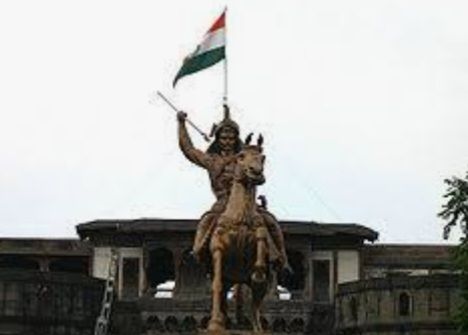
For example — Chhatrapati Shivaji Maharaj’s lineage is still recognized and honored, even though it may have spread across many sub-branches or diversified in DNA over time.
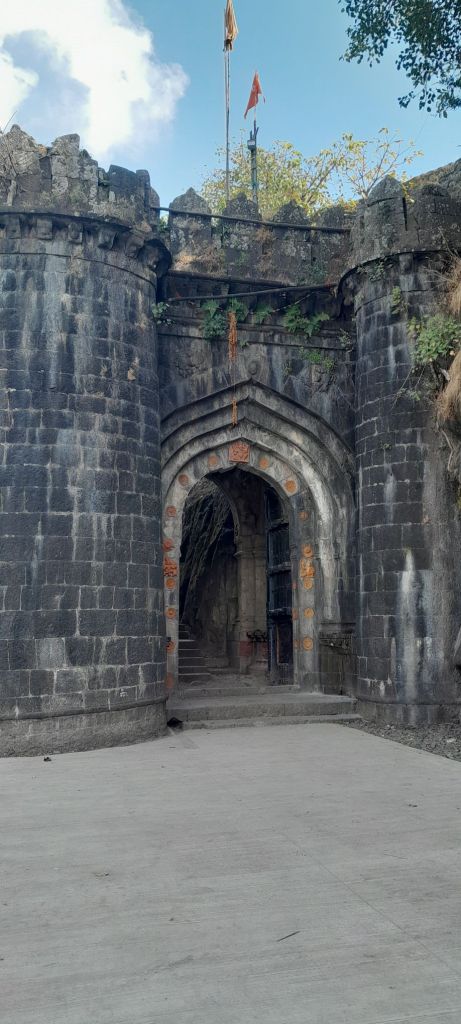
“लोकोत्तर घराण्याचा वारसा हा फक्त DNA वर अवलंबून नसतो…!”
ज्या घराण्यांचा काही ठसा इतिहासावर आहे (राजघराणी, किल्लेदार, जमीनदार, कला-शिल्प वा संस्कृतीसाठी प्रसिद्ध वंश वगैरे), त्यांच्या संदर्भात “DNA किती पिढ्यांपर्यंत जिवंत राहतो?” हा प्रश्न सर्वसामान्यांच्या मनात कायम घोळत असतो. कारण ऐतिहासिक घराण्यांचा पगडा सर्वसामान्यांवर असतो. विशेषतः राजेपद गेल्यानंतर पुढे कैक पिढ्या जन्माला आल्या. बऱ्याच वेळा अशा घराण्यांमध्ये वारसा जन्माला आला नाही म्हणून दत्तक पुत्र वारसदार झाले. अशा घराण्यांचा DNA खंडित झाला का ? वारसा नेमका कशावर ठरवायचा ? घराण्याच्या DNA वर की घराण्याच्या लौकिकोत्तर कार्यावर हा मुद्दा अशावेळी ऐरणीवर येतो. हे जाणून घेणं औत्सुक्याचं आहे.
या संदर्भात काही मुद्दे मांडतो:
DNA शारीरिकदृष्ट्या टिकतो, पण घराण्याचा वारसा फक्त DNA वर अवलंबून नसतो. तो "कृती", "परंपरा", "दस्तऐवज" आणि "लोकस्मृती" यांतून टिकतो.
ज्या घराण्यांनी स्वतःचा ठसा समाजावर उमटवला, त्यांच्या पिढ्या कितीही पसरल्या किंवा मिसळल्या तरी, त्यांच्या नावाचा वारसा कित्येक पिढ्यांपर्यंत टिकू शकतो — केवळ वैज्ञानिक DNA नव्हे, तर सांस्कृतिक DNA म्हणून !
🔹 घराण्याचा वारसा = फक्त DNA नव्हे
इतिहासात कोणतंही घराणं केवळ त्यांच्या DNA मुळे ओळखलं जात नाही, तर त्यांच्या कार्यामुळे — त्यांनी निर्माण केलेली इमारती, कलाकृती, परंपरा, ग्रंथ, लढाया, सत्ता आणि समाजावरचा प्रभाव — या गोष्टी त्यांच्या “वारशाचा” भाग असतात.
🔹 जिवंत DNA वंश किती पिढ्यांपर्यंत टिकतो?
जर त्या घराण्याचा वंश सातत्याने मुलांमधून पुढे चालू राहिला, विशेषतः पुरुष वंश (Y-DNA) टिकला, तर तो हजारो वर्षं देखील टिकू शकतो.
उदा. — राजपुत, मराठा, मुघल किंवा चोळ वंशातील काही वंशज आजही आहेत.
पण जर त्या घराण्यात काही पिढ्यांनंतर वंशजांचं अस्तित्व नसेल (विशेषतः फक्त मुलींच्या पिढ्या असतील आणि त्यांच्या लग्नाने आडनाव वा वंश बदलला असेल), तर मूळ वंशाचा Y-DNA खंडित होतो.
मुलखातली घरं (side-branches) चालू राहिली तरी मूळ “राजवट” किंवा “मुख्य घराणं” लोप पावू शकतं.
🔹पिढ्यांनुसार वारसा कमी कसा होतो?
साधारणतः ५-६ पिढ्यांनंतर एखाद्या विशिष्ट व्यक्तीचा DNA योगदान तुमच्या शरीरात फारच कमी प्रमाणात राहतं.
उदा. तुम्ही ६ व्या पिढीत असाल, तर तुमच्या मुळ पूर्वजाचा ऑटोसोमल DNA केवळ १.५% च्या आसपास उरलेला असतो.
पण जर Y-DNA वा mtDNA तंतोतंत चालू राहिला असेल, तर तो अजूनही पूर्ण राहू शकतो.
🔹 वारसा टिकतो तेव्हा…
जर त्या घराण्याचं लिखित इतिहासात, लोककथांमध्ये, दंतकथांमध्ये, स्थापत्यकलेत किंवा सांस्कृतिक स्मृतीत स्थान असेल, तर तो वारसा DNA पेक्षा अधिक प्रभावशाली ठरतो.
उदा. — छत्रपती शिवाजी महाराजांचे घराणं अजूनही ओळखलं जातं, जरी कित्येक उपशाखा किंवा डीएनए रूपाने खूप पसरल्या असतील.
:-Mukund Madhukar Hingne.
 avatibhavati.com
यावर आपले मत नोंदवा