The recent terrorist attack in the Pahalgam region of Kashmir has once again escalated tensions between India and Pakistan to a peak. In this attack, tourists and ordinary Kashmiri civilians lost their lives, while several others were injured, leading to nationwide outrage. The Indian government has taken serious note of the incident and has strongly criticized the policy of supporting terrorist organizations operating from Pakistan, indicating the possibility of stern action. As a result, a war-like situation appears to be emerging once again between the two countries.
War is not an option but the last resort. However, given the repeated terrorist attacks on India and Pakistan's stance, it is clear that India is likely to take some decisive action. This action is more likely to be limited in nature, like a surgical strike.

But if Pakistan responds aggressively to this action, both countries could move towards war. The current situation is warlike, and both sides have reached a decisive point. The further consequences will depend on India’s strategy and Pakistan’s response.
🔴 Context and Background of the Incident
The attack in Pahalgam is not just an assault, but a strike on India’s sovereignty. Over the past few years, such terrorist activities have occurred repeatedly, and India has consistently pointed to terrorist groups based in Pakistan as being behind them. After Uri (2016) and Pulwama (2019), the recent Pahalgam incident has further escalated tensions. Following these events, India had taken decisive actions like surgical strikes and air strikes.
🔴 The Indian Government’s Stand and Likely Future Course
The Indian government has responded strongly to the Pahalgam attack. The Defence Minister, Home Minister, and Prime Minister have held high-level meetings, and options for action are being considered. At the strategic level, security forces are reportedly being given a “free hand.” The media is speculating about the possibility of surgical strikes or cross-border targeted operations.
🔴 Pakistan’s Role and Response
Pakistan’s ties with terrorist groups have been exposed globally. However, Pakistan continues to deny any involvement in such incidents. Its army and the ISI are accused of sheltering terrorist organizations. Experts believe that any action taken by India might provoke a military response from Pakistan.
🔴 How Likely Is a War?
War is always a last resort for any country. Both nations are nuclear-armed, and a war would lead to regional instability across the subcontinent. However, given India’s ‘zero tolerance’ policy against terrorism, the response could involve small-scale targeted operations, surgical strikes, diplomatic pressure, and exposing Pakistan on international platforms.
Nevertheless, if Pakistan gives a direct military response, the situation may move toward war. Still, it is unlikely to become a long-term conflict. A “limited war” — confined to a specific time frame and geographic area — is a more probable scenario.
🔴 International Response:
Major global powers have condemned the incident and expressed support for India’s stand against terrorism. Countries including the U.S., France, Russia, and Japan have shown sympathy toward India. However, the international community is also urging both nations to avoid war and seek a peaceful resolution.
🔴 War Rhetoric Stronger from Pakistan:
Looking at history, hostility towards India has been a part of Pakistan’s political agenda. Supporting terrorist groups and turning them into a religious conflict to create internal instability in India has been a repeated tactic. Especially during times of internal instability in Pakistan, the army and the government try to divert public attention by escalating terrorist activities in India, fueling religious sentiment.
Moreover, democracy in Pakistan is nothing more than a hypocritical façade. While many Pakistani citizens may want peaceful relations with India, they are helpless. This is because their military and political leadership are mentally conditioned to maintain perpetual conflict with India.
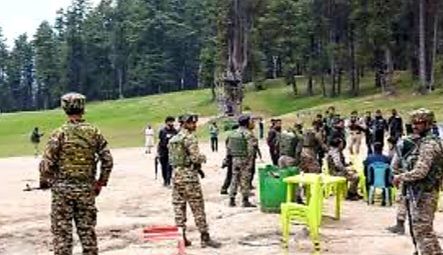
“भारत-पाकिस्तान तणाव : युद्धाची शक्यता किती..?”
काश्मीरच्या पहलगाम भागात नुकत्याच झालेल्या दहशतवादी हल्ल्यामुळे पुन्हा एकदा भारत आणि पाकिस्तान यांच्यातील तणाव शिगेला पोहोचला आहे. या हल्ल्यात पर्यटक, सर्वसाधारण काश्मिरी नागरिक हे बळी पडले, तर काही जखमी झाले आणि देशभरातून संताप व्यक्त करण्यात आला. भारत सरकारने या घटनेची गंभीर दखल घेतली असून, पाकिस्तानातील दहशतवादी संघटनांना पाठबळ देणाऱ्या धोरणावर टीका करत कठोर कारवाईचे संकेत दिले आहेत. परिणामी दोन्ही देशांमध्ये पुन्हा एकदा युद्धजन्य परिस्थिती निर्माण झाल्याचे चित्र आहे.
युद्ध हा पर्याय नसून शेवटचीच गोष्ट आहे. मात्र, भारतावर वारंवार होणारे दहशतवादी हल्ले आणि पाकिस्तानची भूमिका पाहता, भारतकडून कोणतीतरी निर्णायक कारवाई होणार हे स्पष्ट आहे. ही कारवाई सर्जिकल स्ट्राईकसारखी मर्यादित स्वरूपाची असण्याची शक्यता जास्त आहे.

पण या कारवाईनंतर जर पाकिस्तानकडून आक्रमक उत्तर दिले गेले, तर दोन्ही देश युद्धाच्या दिशेने जाऊ शकतात. सध्याची स्थिती ही युद्धजन्य असून, दोघांचीही भूमिका निर्णायक टप्प्यावर पोहोचली आहे. याचे पुढचे परिणाम हे भारताच्या रणनीतीवर आणि पाकिस्तानच्या प्रतिक्रियेवर अवलंबून असतील.
🔴घटनेचा संदर्भ आणि पार्श्वभूमी
पहलगाम येथे झालेला हल्ला केवळ एक आक्रमण नाही, तर भारताच्या सार्वभौमत्वावर एक प्रकारचा घाला आहे. गेल्या काही वर्षांपासून अशा प्रकारच्या दहशतवादी कारवाया वेळोवेळी घडत असून, त्यामागे पाकिस्तानमधील दहशतवादी गटांचा हात असल्याचे भारताकडून सातत्याने सांगितले जात आहे. उरी (2016), पुलवामा (2019) नंतर आता पहलगामच्या घटनेनेही परिस्थिती तणावपूर्ण केली आहे. या घटनांनंतर भारताने सर्जिकल स्ट्राईक, एअर स्ट्राईक यांसारखी निर्णायक पावले उचलली होती.
🔴भारत सरकारची भूमिका आणि शक्यतो पुढील दिशा
भारत सरकारने पहलगाम हल्ल्यानंतर तीव्र प्रतिक्रिया दिली आहे. संरक्षण मंत्री, गृहमंत्री आणि पंतप्रधानांनी उच्चस्तरीय बैठक घेतली असून, कारवाईसाठी पर्यायांचा विचार सुरू आहे. सामरिक पातळीवर सुरक्षादलांना “फ्री हँड” देण्याचे संकेत मिळाले आहेत. माध्यमांमध्ये सर्जिकल स्ट्राईक किंवा सीमापार टार्गेटेड ऑपरेशन्सची शक्यता व्यक्त केली जात आहे.
🔴पाकिस्तानची भूमिका आणि त्याचे उत्तर
दहशतवाद्यांशी पाकिस्तानचे संबंध जगभरात उघड झाले आहेत. मात्र, पाकिस्तान प्रत्येक वेळी अशा घटनांमध्ये हात असल्याचे नाकारत असतो. त्यांचे लष्कर आणि आयएसआय या संघटनांवर दहशतवादी गटांना संरक्षण देण्याचे आरोप आहेत. अशा वेळी भारताच्या संभाव्य कारवाईला पाकिस्तानकडून लष्करी उत्तर दिले जाऊ शकते, असे तज्ञांचे मत आहे.
🔴सध्या युद्ध होण्याची शक्यता किती?
युद्ध हा कोणत्याही देशासाठी अंतिम पर्याय असतो. दोन्ही देश अण्वस्त्रसज्ज आहेत आणि युद्धामुळे संपूर्ण उपखंडात अस्थिरता निर्माण होईल. मात्र, दहशतवादाविरोधात भारताने ‘झिरो टॉलरन्स’ धोरण स्वीकारल्यामुळे छोट्या स्वरूपाचे टार्गेटेड ऑपरेशन्स, सर्जिकल स्ट्राईक्स, कूटनीतिक दबाव, आंतरराष्ट्रीय व्यासपीठावर पाकिस्तानचा पर्दाफाश या पद्धतीने उत्तर दिले जाऊ शकते.
तथापि, जर पाकिस्तानकडून थेट लष्करी प्रतिउत्तर मिळाले, तर परिस्थिती युद्धाच्या दिशेने जाऊ शकते. पण हे युद्ध दीर्घकालीन असेलच, असे नाही. हे ‘लिमिटेड वॉर’ म्हणजेच मर्यादित काळाचे आणि विशिष्ट सीमांपुरतेच मर्यादित असे युद्ध असण्याची शक्यता अधिक आहे.
🔴आंतरराष्ट्रीय प्रतिसाद
जगभरातील मोठ्या राष्ट्रांनी या घटनेचा निषेध केला असून, दहशतवादाविरुद्ध भारताच्या भूमिकेचा पाठिंबा दिला आहे. अमेरिकेपासून फ्रान्स, रशिया, जपान यांच्यासह अनेक राष्ट्रांनी भारताला सहानुभूती दिली आहे. परंतु ते युद्ध टाळावे आणि शांततेने मार्ग काढावा, असा सूरही आंतरराष्ट्रीय पातळीवर आहे.
🔴युद्धाची खुमखुमी पाकिस्तानला अधिक
आजवरचा इतिहास पाहता भारताबरोबरचे वैर हा पाकिस्तानचा राजकीय अजेंडा आहे. दहशतवादी संघटनांना पोसणे आणि त्याला धार्मिक संघर्षाचे स्वरूप देत भारतात अंतर्गत अस्थिरता निर्माण करण्याचा त्यांचा हा नेहमीचा प्रयोग आहे. विशेषतः पाकिस्तानात जेंव्हा अंतर्गत अस्थिरता निर्माण होते नेमके त्याच काळात भारतात दहशतवादी कारवाया वाढवून पाकिस्तानी नागरिकांचे लक्ष धार्मिकतेच्या मुद्द्यांकडे वळविण्याचे पाकिस्तानी लष्कर आणि सरकारचे प्रयत्न असतात. बाकी पाकिस्तान मधील लोकशाही हा एक दांभिक मुखवटा आहे. पाकिस्तानी नागरिकांना जरी भारताबरोबर चांगले संबंध हवे असले तरी ते हतबल आहेत. कारण त्यांचे लष्कर आणि राजकीय नेते यांची मानसिकता भारताबरोबर संघर्ष कायम ठेवण्याची आहे.
:-Mukund Madhukar Hingne.
 avatibhavati.com
यावर आपले मत नोंदवा