India is known as the world’s largest democracy. With a population of 1.4 billion, India has a vast and complex democratic system. However, the journey of this democracy and its functioning are deeply influenced by the country’s social, cultural, and historical traditions. Although the framework of Indian democracy has been laid down by the Constitution, in practice, many traditional elements play a decisive role in democratic processes. The caste system, religion, regional identities, linguistic diversity, and family-centered social structures have a significant impact on the functioning of democracy. As a result, democracy in India is not merely a constitutional or electoral phenomenon; it is a system shaped by various facets of society, continuously evolving, and transforming at the local level.
For India, the democratic system is a very important path to development, but it is not the only option. Merely holding elections or changing governments is not enough; democracy must be made a means of comprehensive development by reducing social traditions, inequalities, and traditional barriers. The true strength of democracy lies in reaching every section of society through equal opportunities. Only when this becomes possible in the future can we truly say that democracy has been strengthened.
🔴 Influence of Social Traditions
India’s social structure has evolved over thousands of years. The complexity of castes and sub-castes, the traditional decision-making methods in the Gram Panchayat system, and the widespread integration of religious beliefs and festivals — all of these influence people’s political perspectives. Therefore, in democratic processes, it is not only the legal act of voting or electing representatives that matters, but social relationships, economic interests, and cultural integration also play equally significant roles.
🔴 Decisions at the Village or Caste Council Level
In many rural areas, even today, voting decisions are often determined by the suggestions of the village head or caste leader. Families, religious leaders, and community heads have a strong influence on political opinion formation. As a result, collective decision-making often overshadows individual and independent decision-making in democracy.
🔴 Democracy and Development
Democracy is a crucial system for development because it grants people the right to choose representatives for their future. However, in a country like India, merely having democracy is not enough. Issues such as social inequality, economic disparity, lack of education, inadequate healthcare services, and gender inequality act as obstacles to the path of development.
🔴 Fundamental Challenges Slow Down Development
Democracy provides people with the opportunity to change the government or influence policies, but if fundamental social challenges persist, the pace of development remains slow. Often, political leaders design schemes to appease dominant groups within society, resulting in the marginalized sections not receiving the expected benefits of development.
🔴 Strengths and Limitations of Democracy
The greatest strength of Indian democracy lies in its ability to persist over time. Despite immense diversity, India has faced numerous challenges while maintaining the strong foundations of its democracy. However, this democracy is often narrowed by traditional mindsets, corruption, limited educational opportunities, and unequal access to social justice.
🔴 Reforms Are Possible in Indian Democracy
Reforms are indeed possible within Indian democracy. Awareness, education, economic empowerment, increasing participation of women, and the awakening of citizens about their rights are helping Indian democracy become more mature.
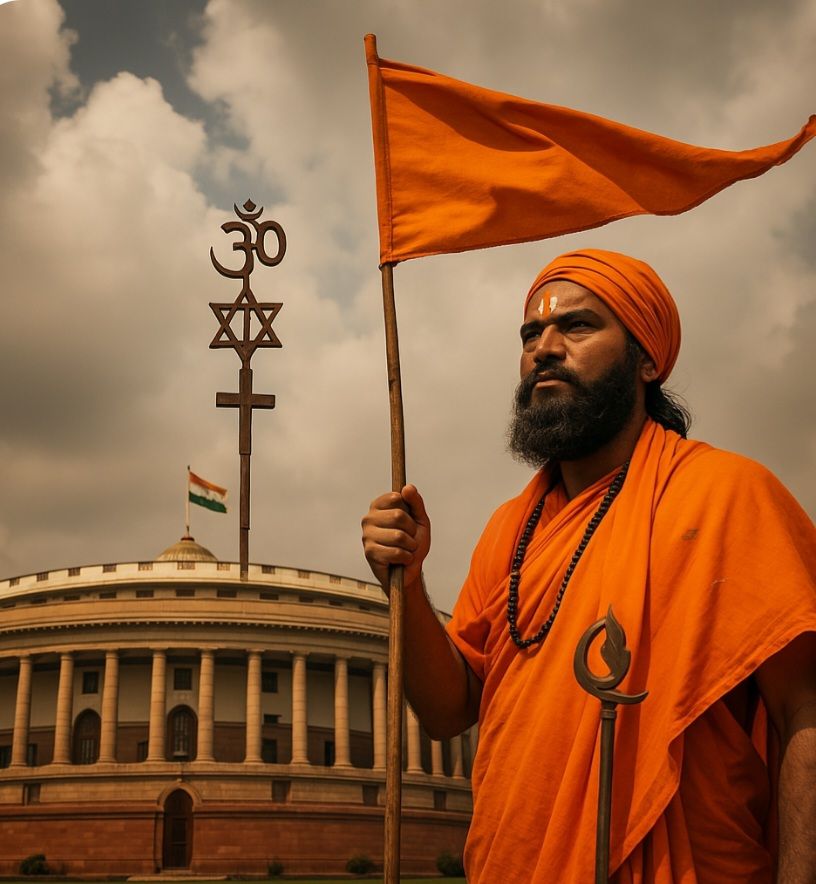
“भारतीय लोकशाहीवर सामाजिक व धार्मिक परंपरांचा प्रभाव..!”
भारताला जगातील सर्वात मोठी लोकशाही म्हणून ओळखले जाते. १.४ अब्ज लोकसंख्येसह भारतात एक अत्यंत व्यापक आणि गुंतागुंतीची लोकशाही प्रणाली अस्तित्वात आहे. मात्र, या लोकशाहीचा प्रवास आणि तिच्या कार्यपद्धतीवर भारताच्या सामाजिक, सांस्कृतिक आणि ऐतिहासिक परंपरांचा खोलवर प्रभाव आहे.
भारताच्या लोकशाहीची रचना घटनाद्वारे (Indian Constitution) निश्चित केली गेली असली, तरी प्रत्यक्षात लोकशाही प्रक्रियांमध्ये अनेक पारंपरिक घटक निर्णायक भूमिका बजावतात. जातीव्यवस्था, धर्म, प्रांतीय अस्मिता, भाषिक विविधता आणि कुटुंबप्रधान सामाजिक रचना यांचा लोकशाहीच्या कार्यावर ठोस परिणाम होतो. त्यामुळे भारतातील लोकशाही हा फक्त एक घटनात्मक किंवा निवडणुकीपुरता सीमित प्रकार नाही; तर ती इथल्या समाजाच्या विविध अंगांनी घडवलेली, सतत बदलणारी आणि स्थानिक पातळीवर रूपांतरित होणारी व्यवस्था आहे.
भारतासाठी लोकशाही व्यवस्था हा विकासाचा एक अत्यंत महत्त्वाचा पर्याय आहे, पण तो एकमेव पर्याय नाही. केवळ निवडणुका होणे किंवा सरकार बदलणे पुरेसे नाही; तर समाजातील रूढी, विषमता, आणि पारंपारिक अडथळ्यांना कमी करत, लोकशाहीला सर्वांगीण विकासाचे साधन बनवायला हवे. लोकशाहीची खरी ताकद समाजाच्या प्रत्येक घटकापर्यंत समान संधीद्वारे पोहोचण्यात आहे. आगामी काळात हे शक्य होईल त्यावेळीच आपण लोकशाही बळकट झाली असे म्हणू शकतो.
🔴सामाजिक परंपरांचा प्रभाव
भारताची सामाजिक रचना हजारो वर्षांची आहे. जाती आणि उपजातींची गुंतागुंत, ग्रामपंचायत पद्धतीतील निर्णय घेण्याच्या पारंपरिक पद्धती, मोठ्या प्रमाणावर धार्मिक श्रद्धा व सणांची एकत्रितता — हे सर्व लोकांच्या राजकीय दृष्टिकोनावर प्रभाव टाकतात. त्यामुळे लोकशाहीच्या प्रक्रियांमध्ये केवळ कायद्यानुसार मतदान किंवा प्रतिनिधी निवडणे हेच महत्त्वाचे नसून, सामाजिक संबंध, आर्थिक हितसंबंध, आणि सांस्कृतिक एकात्मतेचा विचार देखील तेवढाच प्रभावी ठरतो.
🔴गावपातळी किंवा जात पंचायतीसमोर निर्णय
अनेक ग्रामीण भागांमध्ये आजही मतदानाचा निर्णय एखाद्या गावच्या प्रमुख व्यक्तीच्या किंवा जात प्रमुखाच्या सूचनेवर ठरतो. राजकीय मत निर्मितीत कुटुंब, धर्मगुरु, समाज नेते यांचा प्रभाव मोठ्या प्रमाणावर जाणवतो. त्यामुळे वैयक्तिक, स्वतंत्र निर्णयप्रक्रियेपेक्षा सामूहिक निर्णयाची छाया लोकशाहीवर पडते.
🔴लोकशाही आणि विकास
लोकशाही ही विकासासाठी एक अत्यंत महत्वाची व्यवस्था आहे, कारण ती लोकांना स्वतःच्या भविष्यासाठी प्रतिनिधी निवडण्याचा हक्क देते. मात्र, भारतासारख्या देशात, फक्त लोकशाही असणे पुरेसे नाही. सामाजिक विषमता, आर्थिक असमानता, शिक्षणाचा अभाव, आरोग्यसेवांची अपुरी उपलब्धता आणि स्त्री-पुरुष असमानता यांसारख्या समस्या विकासाच्या मार्गात अडथळा निर्माण करतात.
🔴 मूलभूत अडचणींमुळे विकास संथ
लोकशाही पद्धतीने लोकांना सरकार बदलण्याची किंवा धोरणांवर प्रभाव टाकण्याची संधी दिली जाते, पण जर मूलभूत सामाजिक अडचणी कायम राहिल्या, तर विकासाची गती संथ राहते. अनेकदा राजकीय नेते समाजातील प्रबळ गटांना खूश करण्यासाठी योजनांचे नियोजन करतात, परिणामी समाजातील वंचित घटकांचा अपेक्षित विकास होत नाही.
🔴लोकशाहीचे सामर्थ्य आणि मर्यादा
भारतीय लोकशाहीचे सर्वात मोठे सामर्थ्य म्हणजे तिची सातत्याने टिकून राहण्याची क्षमता. विविधता असतानाही, भारताने अनेक अडचणींना तोंड देत लोकशाहीचा पाया मजबूत राखला आहे. मात्र, ही लोकशाही अनेकदा समाजातील परंपरागत मानसिकता, भ्रष्टाचार, अपुऱ्या शैक्षणिक संधी, आणि असमान सामाजिक न्याय यामुळे संकुचितही होते.
🔴भारतीय लोकशाहीत सुधारणा शक्य
भारतीय लोकशाहीत सुधारणा शक्य आहेत. प्रबोधन, शिक्षण, आर्थिक सक्षमीकरण, महिलांचा वाढता सहभाग आणि नागरिकांच्या हक्कांविषयी जागृती यामुळे भारतीय लोकशाही अधिक परिपक्व होत आहे.
:-Mukund Madhukar Hingne.
 avatibhavati.com
यावर आपले मत नोंदवा