Sometimes in life, we act out of instinct, under certain circumstances, or with complete innocence. The intention isn’t wrong, the motive isn’t harmful, yet the action appears mistaken in the eyes of others. This is the moment when a mistake is judged by its consequences, not by its intent. And society, more often than not, sees the outcome rather than the intention.
We may have done countless good deeds in the past — extended a helping hand, stood by someone in their sorrow, offered support when needed. But in that one moment, a single small mistake casts a shadow over our entire character. The goodness we once showed gets no recognition, as if those actions never even existed.
A mistake is just one aspect of us, not the entirety of who we are. As human beings, our existence is a complex blend of many facets — the good, the bad, the thoughtful, the emotional, and the ones that sometimes make mistakes. One mistake should never be the deciding factor for an entire life.
(1) Close Ones — The Ones Who Distance Themselves the Fastest
The most painful moment is when even those you considered “your own” lose their trust in you. Friendships, relationships, and feelings of warmth tear apart in a single instant. This is the time when you’re let go without being understood. People look at you from only one perspective, without considering your side of the story.
(2) No Chance to Explain — The Pain Doubles
Sometimes people jump to conclusions so quickly that you don’t even get a chance to present your side. Why you made that decision — whether it was emotional or born out of helplessness — remains unsaid. It takes time for innocence to be understood, but by then, the distance in relationships has already grown.
(3) Doubts Arising Within — Shaking Self-Belief
More than society, relationships, or people, the real damage happens within our own mind. Once accusations begin coming from all directions, we start doubting ourselves. The thought — “Maybe I really am at fault” — begins to gnaw at us from within. This phase of wavering self-belief is the most dangerous one.
(4) A Forgiving Gaze — Extremely Rare
In truth, society, relationships, and friends need to understand that a human is not divine. He makes mistakes. He deserves a chance. But when a mistake happens, people walk away without even looking back. The ability to forgive has diminished in today’s times. Even today, the person who tries to understand others stands out with admirable greatness of heart.
(5) Learning from Mistakes — The True Essence of Humanity
No person in this world is perfect. Everyone makes mistakes. But learning from those mistakes, moving forward to evolve oneself, and having the courage to understand others’ mistakes — this is the true essence of being human. Because just as we expect to be understood by others, we must also make the effort to understand them.
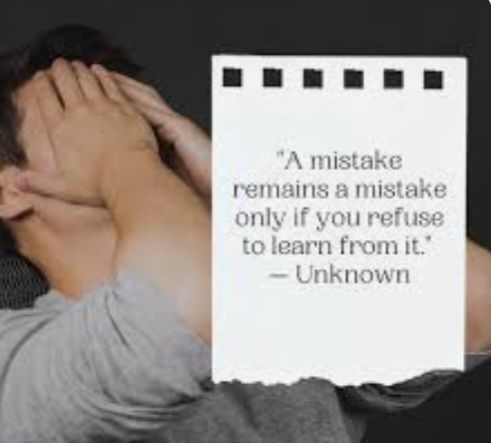
“एका चुकीची किंमत : अंतर्मुख करणारी सत्यस्थिती…!”
कधी कधी आयुष्यात आपण एखादी कृती नकळत, परिस्थितीजन्य किंवा पूर्ण निरागसतेतून करतो. हेतू चुकीचा नसतो, उद्देश वाईट नसतो, पण ती कृती इतरांच्या दृष्टीने चुकीची ठरते. हीच ती वेळ असते जिथे चूक ही तिच्या परिणामांनी ठरते, हेतूने नाही. आणि समाज बहुधा हेतूपेक्षा परिणाम पाहतो. आपण पूर्वी अनेक चांगल्या गोष्टी केलेल्या असतात — मदतीचा हात दिलेला असतो, कुणाच्या दु:खात सहभागी झालेलो असतो, कुणाला आधार दिलेला असतो. पण त्या क्षणी एक छोटीशी चूक आपल्या पूर्ण चारित्र्यावर सावली टाकते. पूर्वी केलेल्या चांगुलपणावर पुसटसुद्धा प्रकाश टाकला जात नाही. जणू काही त्या गोष्टी घडल्याच नाहीत.
आपली चूक ही आपली एक बाजू असते, पूर्ण व्यक्तिमत्त्व नव्हे. माणूस म्हणून आपलं संपूर्ण अस्तित्व ही अनेक पैलूंची मिळवलेली एक संपूर्णता असते – चांगले, वाईट, विचारशील, भावनिक, आणि वेळोवेळी चुकणारे. एक चूक संपूर्ण आयुष्याचा निर्णय कधीच ठरू नये.
(१) जवळची माणसे — तीव्रतेने दूर जाणारी
सर्वात जास्त दुखावतो तो क्षण, जेव्हा आपली “आपली” वाटणारी माणसेही विश्वास ठेवत नाहीत. मैत्री, नातेसंबंध, आणि आपुलकीची भावना एका क्षणात फाटते. ही ती वेळ असते जिथे आपण समजून न घेता सोडले जातो. आपल्या बाजूचा विचार न करता, एकाच दृष्टिकोनातून आपल्याकडे पाहिलं जातं.
(२) स्पष्टीकरणाची संधी न मिळणं — दुःख दुपटीने वाढतं
कधी कधी लोक इतक्या त्वरेने निष्कर्ष काढतात की आपल्याला आपली बाजू मांडण्याचीही संधी मिळत नाही. आपण चुकीचा निर्णय का घेतला, तो केवळ भावनिक होता की विवशतेतून होता — हे बोलूनही दाखवता येत नाही. निरागसता समजायला वेळ लागतो, पण तोपर्यंत नात्यांमध्ये अंतर वाढलेलं असतं.
(३) आपल्याच मनात उठलेली शंका – स्वतःवरचा विश्वास डळमळतो
समाज, नाती, लोक यांच्यापेक्षा मोठं नुकसान हे आपल्या मनात होतं. एकदा का सर्व बाजूंनी दोषारोप होऊ लागले, की आपण स्वतःवरच शंका घ्यायला लागतो. ‘कदाचित मीच चुकीचा असेन’ हा विचार आतून कुरतडतो. हा आत्मविश्वास डळमळण्याचा काळ सर्वात धोकादायक असतो.
(४) माफ करणारी नजर – अत्यंत दुर्मिळ
खरं तर समाजाला, नात्यांना, मित्रांना शिकायला हवं की माणूस म्हणजे देव नाही. तो चुकतो. त्याला संधी दिली पाहिजे. पण चूक झाली की लोक मागे वळून न पाहता निघून जातात. माफ करण्याची क्षमता ही सध्याच्या काळात कमीच झाली आहे. आजही जो माणूस दुसऱ्याला समजून घेतो, त्याची मनाची मोठेपणा जास्त मोलाचा ठरतो.
(५) चुकांमधून शिकणं – हीच खरी माणुसकी
जगात कोणताही माणूस परिपूर्ण नसतो. प्रत्येकजण चुकतोच. पण त्या चुकीतून शिकणं, पुढे जात स्वतःला घडवणं आणि इतरांच्या चुका समजून घेण्याचं धैर्य ठेवणं — हीच खरी माणुसकी आहे. कारण आपण जसे इतरांकडून समजून घेतले जाण्याची अपेक्षा करतो, तसंच आपल्याला इतरांनाही समजून घ्यावं लागतं.

:-Mukund Madhukar Honge.
 avatibhavati.com
Leave a reply to veerites उत्तर रद्द करा.