Indian intelligence and technical skills are recognized across the world. Yet, as a nation, India is still referred to as a “developing” country. Why does this contradictory picture exist? It is not enough to hold only the government responsible; as citizens, we must also reflect on ourselves. Until we begin the change within ourselves, we honestly have no right to dream of changing the country. Around the world, India is often criticized—especially because of our alarming neglect toward cleanliness in our surroundings. Since 2014, India has truly begun a cleanliness campaign driven by public participation. But even after ten years, how much have we really succeeded in keeping our surroundings clean? Development doesn’t happen like the wave of a magic wand. There is still a great deal that we need to change.
Development is not merely a race; it must be a movement of collective thought and shared purpose.
India’s inability to match the pace of developed nations is not only due to external obstacles, but also because of internal apathy.
Unless the government, the system, and the common citizens all move in the same direction, the journey of development cannot truly begin.
(1) Talent Exists, But Opportunities Are Lacking
Indian engineers, doctors, and researchers are in high demand across the world. Yet, in India, the same individuals are often unable to fully utilize their knowledge. Why?
- Limited encouragement for research and innovation
- Opaque selection processes due to corruption
- Brain drain—emigration of intellectual talent
As a result, despite the presence of talent in the country, it fails to bear fruit.
(2) Systemic Barriers
Compared to developed nations, India faces numerous systemic challenges:
- Inefficiency in the bureaucracy
- Delays in decision-making processes
- Weak law enforcement
- Lack of accountability in government machinery
Due to these issues, even good decisions often fail during implementation.
(3) Population and Social Inequality
India’s large population could be a strength, but without proper planning, it becomes a burden:
- Extreme pressure on education, healthcare, and employment
- Wide gap between urban and rural areas, rich and poor
- Divisions based on caste and religion
The lack of social unity hinders national development.
(4) Quality and Purpose of Education
Education is the foundation of any nation’s progress. But in India:
- Many institutions focus solely on job-oriented education
- Less emphasis on creativity, critical thinking, and research
- Lack of value-based education in schools
This results in a workforce that lacks true skill and depth.
(5) Where Do We Fall Short as Citizens?
Blaming only the government or the system is easy. But as citizens, we must also reflect on the following:
- Neglecting basic responsibilities like cleanliness, tax payment, and law-abidance
- Voting based on religion, caste, or emotional factors
- The mindset of “Why should I bother?”
- Expecting “the government will do it” whenever it concerns the nation
Together, these attitudes become chains we place around our own feet.
(6) Rays of Hope
Fortunately, amidst all these challenges, some positive changes are emerging:
- Growth of startups and the Digital India initiative
- Rising awareness and social responsibility among the youth
- Contributions from emerging researchers, social workers, and environmentalists
These seemingly small efforts could lead to significant transformation—if we all choose to participate in the journey.
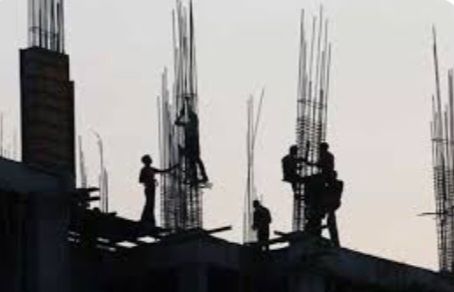
“विकासाच्या शर्यतीत भारत देश मागे राहण्याला जबाबदार कोण….?”
भारतीय बुद्धिमत्ता आणि तंत्रकौशल्याची दखल जगभरात घेतली जाते. पण, देश म्हणून भारत अद्यापही “विकसनशील” म्हणूनच ओळखला जातो. हे दुटप्पी चित्र का उभं राहतं ? केवळ शासनाची जबाबदारी मानून चालणार नाही; एक नागरिक म्हणून आपणही स्वतःकडे पाहण्याची गरज आहे. आपण आपल्यापासून बदलाची जोपर्यंत सुरुवात करत नाही, तोपर्यंत देश बदलण्याची स्वप्ने पाहण्याचा खरं म्हणजे आपल्याला काहीच अधिकार नाही. जगभरात भारताला नावे ठेवली जातात ते परिसर स्वच्छतेबाबत असलेले आपले कमालीचे दुर्लक्ष पाहून. २०१४ पासून खऱ्या अर्थाने भारताने लोकसहभागातून परिसर स्वच्छतेची मोहीम सुरू केली. आज दहा वर्षानंतरही आपण आपला परिसर किती प्रमाणात स्वच्छ करू शकलो ? जादूची छडी फिरविल्यासारखा “विकास” होत नसतो. आपल्याला अजून खूप काही बदलावं लागणार आहे.
विकास ही केवळ स्पर्धा नाही, ती एक समविचारी चळवळ असली पाहिजे.
भारत प्रगत देशांच्या वेगाने धावू शकत नाही, याचे कारण केवळ बाह्य अडथळे नाहीत, तर अंतर्गत उदासीनता आहे. सरकार, व्यवस्था, आणि सामान्य नागरिक- या सगळ्यांनी एकाच दिशेने पावले टाकल्याशिवाय विकासाचा प्रवास शक्य नाही.
(१) गुणवत्ता आहे, पण संधीचा अभाव
भारतीय तंत्रज्ञ, डॉक्टर, संशोधक यांची जगभरात मागणी असते. तरीही भारतात तेच लोक आपल्या ज्ञानाचा पुरेपूर उपयोग करू शकत नाहीत. कारण?
- संशोधन व नवप्रवर्तनाला कमी प्रोत्साहन
- भ्रष्टाचारामुळे अपारदर्शक निवड प्रक्रिया
- “ब्रेन ड्रेन” म्हणजेच बुद्धिवंतांचे परदेशगमन
यामुळे देशात गुणवत्ता असूनही ती फळाला जात नाही.
(२) व्यवस्थात्मक अडथळे
प्रगत देशांच्या तुलनेत भारतात अनेक व्यवस्थात्मक अडचणी आहेत:
- नोकरशाहीचा ढिसाळपणा
- निर्णय प्रक्रियेतील विलंब
- कायद्यांची अंमलबजावणीतील कमकुवतपणा
- सरकारी यंत्रणांमध्ये जबाबदारीचा अभाव
या गोष्टींमुळे चांगले निर्णय घेतले गेले तरी प्रत्यक्षात ते यशस्वी होत नाहीत.
(३) लोकसंख्या आणि सामाजिक विषमता
भारताची लोकसंख्या ही एक सामर्थ्य असू शकते, पण ती नियोजनाच्या अभावामुळे ओझं बनते:
- शिक्षण, आरोग्य, रोजगार यावर प्रचंड ताण
- शहरी-ग्रामीण, श्रीमंत-गरिबांमधील दरी
- जाती-धर्माच्या आधारावर फूट
सामाजिक एकात्मतेचा अभाव देशाच्या विकासाला खो घालतो.
(४) शिक्षणाची गुणवत्ता आणि उद्देश
शिक्षण हा कोणत्याही देशाच्या विकासाचा पाया असतो. पण भारतात:
- कितीतरी शिक्षण संस्था केवळ नोकरी मिळवण्यापुरते शिक्षण देतात
- सर्जनशीलता, विचारस्वातंत्र्य, संशोधन यावर भर कमी
- शालेय शिक्षणात मूल्यशिक्षणाचा अभाव
यामुळे देशात कुशल मनुष्यबळ तयार होत नाही.
(५) आपण नागरिक म्हणून कुठे कमी पडतोय?
फक्त सरकार किंवा व्यवस्था यांना दोष देणे सोपे आहे. पण नागरिक म्हणून आपणही काही गोष्टींचा विचार करायला हवा:
- स्वच्छता, कर भरणे, कायद्यांचे पालन यासारख्या मूलभूत जबाबदाऱ्या झटकल्या जातात
- मत देताना धर्म, जात, किंवा भावनिक मुद्द्यांवर निर्णय
- ‘माझं काय जातंय?’ ही वृत्ती
- देशासाठी काही करायचं असेल तर ‘सरकार करेल’ असं समजणं
हे सगळं मिळून आपणच आपल्या पायात अडकवलेली साखळी ठरते.
(६) आशेचे किरण
सुदैवाने या सगळ्याच्या पार्श्वभूमीवर काही सकारात्मक बदल होत आहेत:
- स्टार्टअप्स आणि डिजिटल इंडिया मोहिम
- तरुण पिढीमध्ये जागरूकता आणि सामाजिक उत्तरदायित्व
- नवोदित संशोधक, सामाजिक कार्यकर्ते, पर्यावरणप्रेमी यांचे योगदान
हे छोटेसे वाटणारे प्रयत्न भविष्यात मोठा बदल घडवू शकतात, जर आपण सर्वांनी या प्रवाहात सामील झालो, तर.
:-Mukund Madhukar Hingne.
 avatibhavati.com
यावर आपले मत नोंदवा