While India and Pakistan are unlikely to launch nuclear strikes against each other under present conditions, the very existence of such weapons in a region fraught with political tension and historical animosity means the threat is real.
The answer lies not in weaponization but in sustained diplomacy, confidence-building measures, and public awareness of the real horrors of nuclear war.
Do deterrents keep peace, or merely delay disaster?
That remains a haunting question hanging over the subcontinent.
The India-Pakistan conflict is one of the most persistent and volatile rivalries in the world. With both nations possessing nuclear weapons since 1998, the question that often arises is: Can this regional conflict ever escalate into a nuclear war? While the probability remains low, the potential consequences are catastrophic enough to merit serious examination.
🔴Historical Background: A Tale of Two Tests
🔹In 1974, India conducted its first nuclear test (Operation Smiling Buddha), establishing itself as a nuclear-capable nation. Pakistan responded decades later in May 1998, just days after India’s Pokhran-II tests, by detonating its own nuclear devices in the Chagai Hills.
🔹This tit-for-tat development entrenched both nations in a delicate balance of deterrence—a situation where nuclear weapons act as both a threat and a shield.
🔴Nuclear Doctrine: India vs. Pakistan
🔸India’s Doctrine: No First Use (NFU)
India’s official nuclear doctrine, declared in 2003, rests on the principle of No First Use. This means India pledges not to use nuclear weapons unless first attacked by an adversary with nuclear weapons. Key components of the Indian doctrine include:
🔸Credible minimum deterrence
Massive retaliatory response to any nuclear attack
Civilian control over nuclear arsenal
🔸Pakistan’s Stance: First Use Possibility
Pakistan, on the other hand, has not adopted a No First Use policy. It maintains the option of using nuclear weapons first, especially if it feels overwhelmed by conventional Indian forces. Pakistan follows what is called a Full Spectrum Deterrence approach, keeping tactical nuclear weapons (TNWs) ready for battlefield use.
🔴Flashpoints and Near-Miss Events
- Kargil War (1999)
Just a year after both countries became declared nuclear powers, the Kargil War erupted. Though it remained a conventional conflict, intelligence reports suggest both sides considered nuclear posturing behind closed doors.
- Uri and Balakot (2016–2019)
After cross-border terror attacks and India’s retaliatory strikes, nuclear rhetoric again surfaced. However, global diplomatic pressure, especially from the US and China, prevented escalation beyond conventional limits.
🔴Global Perspective: Why Nuclear Use Is Still Unlikely
- Mutually Assured Destruction (MAD):
A nuclear strike by either side would invite immediate retaliation, leading to mass casualties and environmental devastation on both sides. - Diplomatic Pressure:
The international community, particularly the US, Russia, China, and the UN, are heavily invested in preventing nuclear escalation in South Asia. - Civilian Control & Strategic Restraint:
Despite occasional warlike rhetoric, both governments maintain strong civilian oversight and understand the catastrophic consequences of crossing the nuclear threshold.
But the Danger Persists…
🔸Risk of Miscalculation: Accidents, misreading of intentions, or rogue military elements could lead to unintended escalation.
🔸Terror-Triggered Tensions: Non-state actors conducting attacks and provoking retaliation could spark a chain of events out of control.
🔸Political Instability: A sudden shift in leadership or internal instability could increase risk-taking behavior.
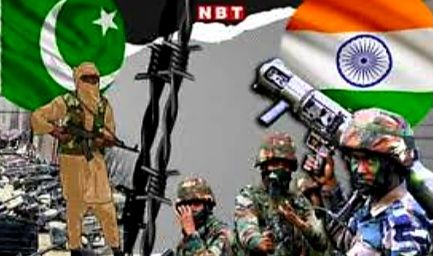
“उपखंडावर अण्वस्त्रांचे सावट : भारत-पाक संघर्ष आणि अणु युद्धाची शक्यता…!”
सध्याच्या परिस्थितीत भारत आणि पाकिस्तान अणुहल्ला करणार नाहीत, अशी शक्यता अधिक आहे.
पण अण्वस्त्रांचे अस्तित्व, तणावपूर्ण संबंध आणि ऐतिहासिक वैर यामुळे धोका पूर्णपणे नाकारता येत नाही.उत्तर हत्यारांमध्ये नाही, तर राजनैतिक समजुतीत, संवादात आणि शांततेच्या धोरणांमध्ये आहे.
“अण्वस्त्रांचे अस्तित्व शांतता राखते, की नाश विलंबित करते?”
हा प्रश्न अजूनही उपखंडावर सावलीसारखा लोंबकळत आहे.
भारत-पाकिस्तान संघर्ष ही जगातील सर्वाधिक दीर्घकाळ चालणारी आणि स्फोटक अशी संघर्षमालिका आहे. दोन्ही देशांकडे १९९८ पासून अण्वस्त्रसज्जता असल्याने एक प्रश्न सतत उपस्थित राहतो: या संघर्षाचे अणुयुद्धात रूपांतर होईल का?
संभाव्यता कमी असली, तरी अशा युद्धाचे परिणाम इतके भीषण असतील की त्याचा गांभीर्याने अभ्यास करणे आवश्यक आहे.
🔴इतिहासाचा मागोवा: दोन चाचण्यांची कहाणी
🔹१९७४ मध्ये भारताने ‘स्मायलिंग बुद्धा’ या नावाने पोखरण येथे पहिली अणुचाचणी केली आणि अण्वस्त्रसज्ज राष्ट्र म्हणून आपली ओळख निर्माण केली.
त्याला प्रत्युत्तर म्हणून पाकिस्तानने मे १९९८ मध्ये बलुचिस्तानमधील चागाई पर्वतरांगांमध्ये आपली अणुचाचणी केली.
🔹या प्रतिसादात्मक घडामोडींनी दोन्ही देश अण्वस्त्र धारण करणाऱ्या राष्ट्रांच्या कोटीत गेले, आणि एक प्रकारचा धोकादायक समतोल निर्माण झाला – जिथे अण्वस्त्र हे एकाच वेळी भीतीसाठी आणि सुरक्षिततेसाठी वापरले जातात.
🔴अणुशस्त्र धोरण: भारत विरुद्ध पाकिस्तान
🔸भारताचे धोरण: “प्रथम वापर नाही” (No First Use – NFU)
भारताने २००३ मध्ये अधिकृत अण्वस्त्र धोरण जाहीर केले. त्यात प्रथम वापर न करण्याचे तत्व पाळले जाते.
म्हणजे भारतावर अण्वस्त्रांनी हल्ला झाल्याशिवाय भारत स्वतःहून अण्वस्त्रांचा वापर करणार नाही.
🔸या धोरणाचे मुख्य आधार:
- विश्वासार्ह किमान अण्वस्त्र सज्जता
- अण्वस्त्र हल्ल्याला “मोठ्या प्रमाणात” प्रत्युत्तर
- नागरी सरकारकडून अण्वस्त्र नियंत्रण
🔸पाकिस्तानचे धोरण: प्रथम वापराचा पर्याय खुला
पाकिस्तानने कधीही NFU धोरण स्वीकारलेले नाही.
त्यांचं म्हणणं आहे की पारंपरिक युद्धात जर भारतीय सैन्याने आघाडी घेतली, तर पाकिस्तान लहान अण्वस्त्र (Tactical Nuclear Weapons – TNWs) वापरण्याचा पर्याय खुला ठेवतो.
त्यांनी Full Spectrum Deterrence हे धोरण स्वीकारले आहे – म्हणजे कोणत्याही टप्प्यावर अण्वस्त्र वापराची शक्यता.
🔴तणावाचे टप्पे आणि ‘जवळपासचे’ धोके
- कारगिल युद्ध (१९९९)
- १९९८ मध्ये अण्वस्त्र चाचण्या झाल्यानंतर लगेचच कारगिल युद्ध झाले.
- जरी हे युद्ध पारंपरिकच राहिले, तरी दोन्ही देशांमध्ये अण्वस्त्र सज्जतेविषयी चर्चा झाल्याचा गुप्तचर अहवाल आहे.
- उरी (२०१६) आणि बालाकोट (२०१९)
सीमेपलीकडून झालेल्या दहशतवादी हल्ल्यांनंतर भारताने प्रत्युत्तरादाखल केलेल्या कारवायांमुळे पुन्हा एकदा अण्वस्त्रांचा उल्लेख झाला.
परंतु आंतरराष्ट्रीय दडपणामुळे (मुख्यतः अमेरिका व चीनकडून), हा संघर्ष नियंत्रणात राहिला.
🔴जागतिक दृष्टिकोन: अणुयुद्ध अजूनही ‘असंभव’ का आहे?
१. परस्पर खात्रीशीर विनाश (Mutually Assured Destruction – MAD):
एकदा अणुहल्ला झाला, तर प्रतिहल्ला निश्चित आहे – दोन्ही देशांमध्ये कोट्यवधींचा नाश होईल.
२. जागतिक राजनैतिक दबाव:
अमेरिका, चीन, रशिया, संयुक्त राष्ट्रसंघ हे सर्व भारत-पाक संघर्षावर बारकाईने नजर ठेवतात आणि अण्वस्त्र वापर थांबवण्यासाठी तत्काळ हस्तक्षेप करतात.
३. नागरी नियंत्रण व धोरणात्मक संयम:
राजकीय नेते अण्वस्त्रांच्या वापराचे भीषण परिणाम जाणून आहेत. त्यामुळे, जरी सैन्यदृष्टीने जोर लावला गेला, तरी नागरी नियंत्रणामुळे संयम राखला जातो.
पण धोका कायम आहे…
🔸चुकीचा अंदाज: एखादी चूक, गैरसमज किंवा आंतरराष्ट्रीय माहितीचा चुकीचा अर्थ काढला गेला, तर परिस्थिती हाताबाहेर जाऊ शकते.
🔸दहशतवाद्यांकडून चिथावणी: एखादी दहशतवादी कारवाई प्रतिहल्ला ओढवून आणू शकते, ज्याचा परिणाम गंभीर होऊ शकतो.
🔸राजकीय अस्थिरता: एखाद्या देशात नेतृत्व बदलल्यास किंवा अस्थिरता आल्यास धोकादायक निर्णय होऊ शकतात.
:-Mukund Madhukar Hingne.
 avatibhavati.com
यावर आपले मत नोंदवा