What public figure do you disagree with the most?
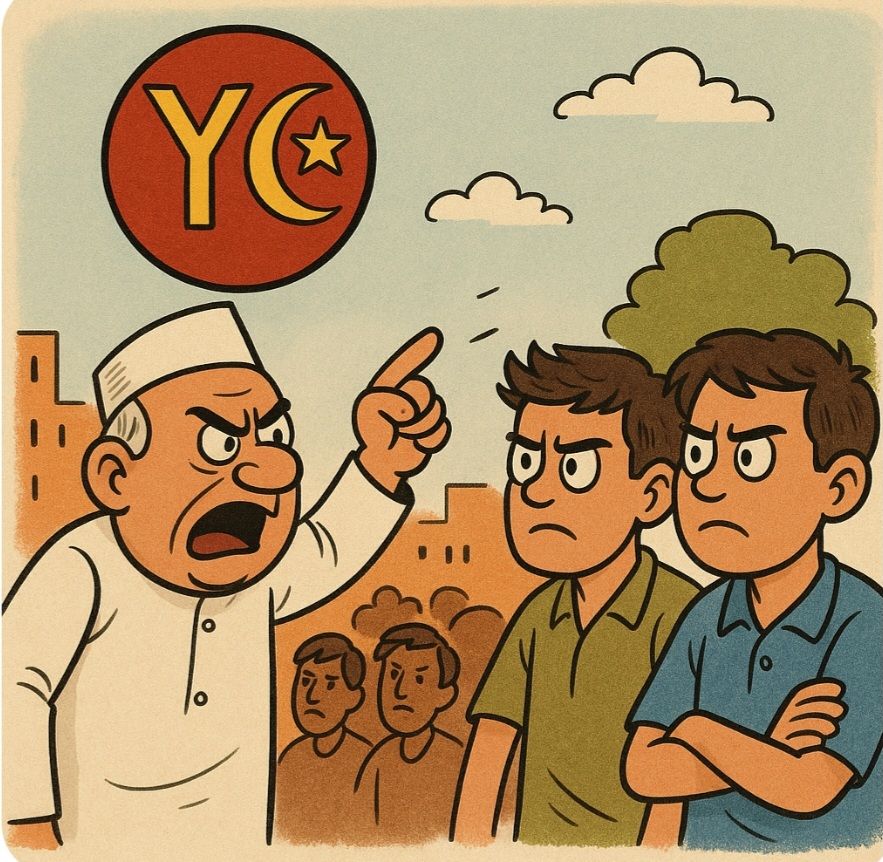
The Indian Constitution, founded on the values of democracy, holds religious harmony and caste equality in the highest regard. Unfortunately, some leaders and organizations in our country’s politics exploit caste and religion for their own gain. This not only creates divisions within society but also poses a threat to national unity. During elections, religion, caste, worship practices, and traditions are often used to polarize voters. Such actions are not just driven by electoral greed but also by a dangerous intent to dominate society. It is the need of the hour to condemn these tendencies and raise public awareness against them.
Leaders and organizations that indulge in caste-based and religious politics are the greatest enemies of social harmony. Mere condemnation is not enough; vigilant citizens must remain aware and defeat such tendencies through the power of the ballot. To uphold the ideals of democracy, equality, and fraternity, this battle must be fought by each individual at their own level.
1. The Game of Caste Equations in Politics
Caste equations have often been considered the key to victory in Indian politics. To secure the support of a particular caste, candidates from that community are nominated and promises are made to serve their interests. Though this may bring short-term success, it severely harms long-term social unity. A significant number of political leaders have even formed parties in the name of caste.
2. Polarization of Votes in the Name of Religion
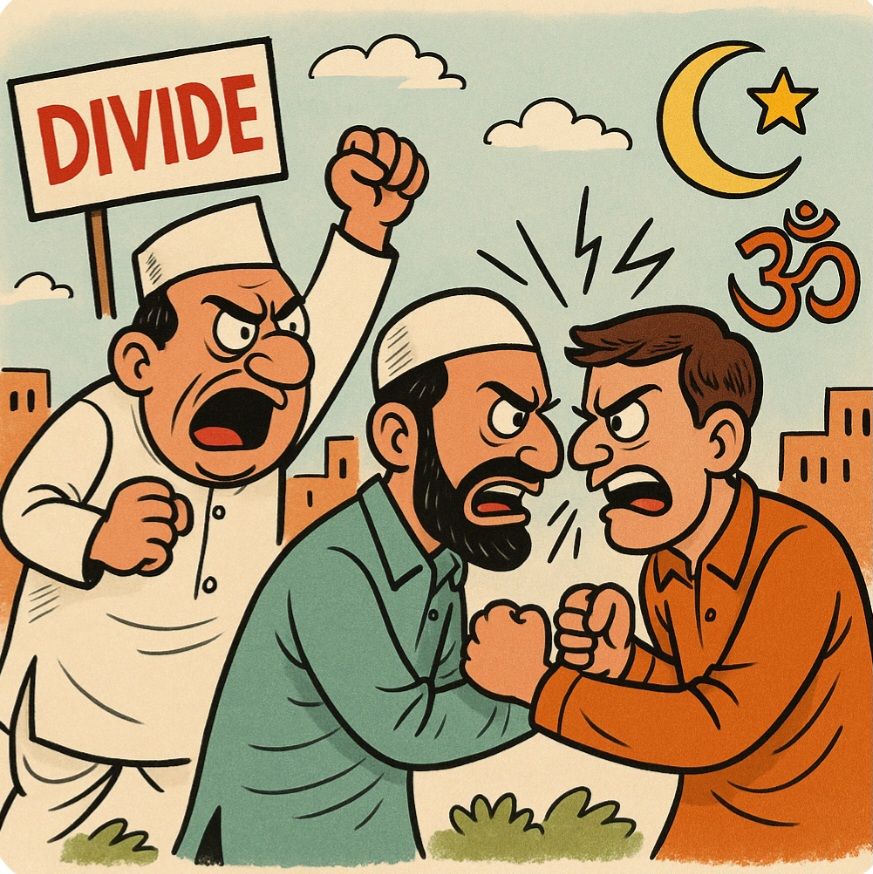
Religion is used to create a divide of “us versus them” within society. Especially by provoking sentiments among the majority, misunderstandings and hatred are spread against minority communities. Such a tense atmosphere often leads to violence. The language used by these leaders is inflammatory and hateful, increasing fear and mistrust in society.
3. Contracted Role of Religious Organizations
Religious organizations, which supposedly promote ideals, often openly support specific political parties for strategic reasons. Sometimes, these organizations actively participate in events that create communal tension. This kind of organizational politics shakes the very foundation of the constitutional framework of the nation.
4. Sowing the Seeds of Hatred Among Youth
A dangerous aspect of caste and religious politics is its influence on the youth. Through social media, hate-filled messages are spread widely. If such toxicity seeps into schools and colleges, the future of the nation itself could be in jeopardy.
5. The Widening Rift in Society
When enmity is fostered against other communities in the name of identity, mutual trust in society erodes. In villages, neighborhoods, and cities, groups begin to form based on caste and religion. As a result, dialogue disappears, and only conflict remains.
6. A Threat to the Spirit of Democracy
Democracy thrives on diversity, dialogue, and coexistence. But leaders who play politics in the name of caste and religion undermine democracy itself. They exploit these values to seize power, but once in control, they nourish such divisive tendencies. This is deeply concerning for the future of India.
“जातीय आणि धार्मिकतेचे राजकारण करणारे अप्रिय…!”
लोकशाहीच्या मुल्यांवर आधारलेली भारतीय राज्यघटना सर्वधर्मसमभाव आणि जातीय समता यांना सर्वोच्च मानते. पण दुर्दैवाने, आपल्या देशाच्या राजकारणात काही नेते आणि संघटना जातीय व धार्मिकतेच्या आधारे आपली पोळी भाजून घेतात. हे केवळ समाजात फूट पाडणारे नसून, देशाच्या एकात्मतेसाठीही घातक आहे. निवडणूकांच्या तोंडावर धर्म, जात, उपासना पद्धती, परंपरा यांचा वापर मतांच्या ध्रुवीकरणासाठी केला जातो. हे प्रकार केवळ मतलालुता दाखवतात असे नाही, तर त्यामागे समाजावर वर्चस्व गाजवण्याची अपप्रवृत्तीही असते. अशा प्रवृत्तींचा निषेध करणे आणि जनजागृती घडवणे ही काळाची गरज आहे.
जातीय आणि धार्मिक राजकारण करणारे नेते आणि संघटना हे सामाजिक सौहार्दाचे सर्वात मोठे शत्रू आहेत. त्यांच्याविरोधात फक्त निषेध पुरेसा नाही, तर सजग नागरिकांनी जागरूक राहून अशा प्रवृत्तींना मतपेटीतच हरवणे आवश्यक आहे. लोकशाही, समता आणि बंधुतेचा आदर्श टिकवण्यासाठी ही लढाई प्रत्येकाने आपापल्या पातळीवर लढणे गरजेचे आहे.
१. राजकारणातील जातीय समीकरणांचा खेळ
भारतीय राजकारणात जातीय समीकरण हे अनेक ठिकाणी विजयाची गुरुकिल्ली मानले गेले आहे. एखाद्या विशिष्ट जातीचा पाठिंबा मिळवण्यासाठी त्या समाजातील व्यक्तींना उमेदवारी देणे, त्यांच्या हिताचे वचन देणे हे वारंवार घडते. हे तात्कालिक यश मिळवून देत असले, तरी दीर्घकालीन सामाजिक ऐक्याला बाधा पोहोचवते. जातीच्या नावावर पक्ष स्थापन करणाऱ्या नेत्यांची संख्या लक्षणीय आहे.
२. धर्माच्या नावावर मतांचे ध्रुवीकरण
धर्माचा वापर करून समाजात ‘आम्ही विरुद्ध ते’ असे द्वंद्व निर्माण केले जाते. विशेषतः बहुसंख्यांमध्ये असलेल्या धर्माच्या भावना चिघळवून अन्य धर्मीयांविरोधात गैरसमज आणि तिरस्कार पसरवले जातात. अशा तणावपूर्ण वातावरणात हिंसाचारही घडतो. यामागील नेत्यांची भाषा भडकवणारी, द्वेषपूर्ण असते आणि ती समाजात भीती व संशय वाढवते.
३. संघटनांची सुपारी घेतलेली भूमिका
धार्मिक संघटना, ज्या आदर्शतेचा प्रचार करतात, त्या अनेक वेळा राजकीय हेतूने विशिष्ट पक्षांना खुले समर्थन देतात. काही वेळा त्या संघटना समाजात तणाव निर्माण करणाऱ्या प्रसंगांमध्ये सक्रीय भूमिका बजावतात. हे संघटनात्मक राजकारण देशाच्या घटनात्मक चौकटीला हादरा देणारे ठरते.
४. तरुणांमध्ये द्वेषाचे बीज
जातीय आणि धार्मिक राजकारणाचे आणखी एक भयावह रूप म्हणजे तरुण पिढीला विषारी विचारसरणीकडे वळवणे. सोशल मीडियाच्या माध्यमातून द्वेषयुक्त संदेश पसरवले जातात. शाळा-कॉलेजांमधून ही विषबाधा पसरू लागली, तर देशाचे भवितव्यच संकटात येऊ शकते.
५. समाजात निर्माण होणारी दरी
जेव्हा एखाद्या गटाच्या अस्मितेच्या नावावर इतर गटांविरुद्ध वैर निर्माण होते, तेव्हा समाजात परस्पर विश्वास कमी होतो. गावे, वस्त्या, शहरांमध्येही जाती-धर्माच्या ओळखीवर आधारीत टोळ्यांचे गट तयार होतात. परिणामी, संवाद नाहीसा होतो आणि फक्त संघर्षच उरतो.
६. लोकशाहीचा गळा घोटणारी प्रवृत्ती
लोकशाही म्हणजे विविधता, संवाद आणि सहअस्तित्व. पण जाती आणि धर्माच्या नावावर राजकारण करणारे नेते हीच लोकशाही संपवतात. ते केवळ सत्ता हाती मिळवण्यासाठी या तत्त्वांचा वापर करतात, पण नंतर त्यांना खतपाणी घालतात. हे भारताच्या भविष्याच्या दृष्टिकोनातून अतिशय चिंताजनक आहे.
:-Mukund Madhukar Hingne.
 avatibhavati.com
Leave a reply to मुकुंद हिंगणे उत्तर रद्द करा.