Man is, by nature, a social being. All his relationships in life are built on mutual cooperation, trust, and healthy communication. What truly reinforces the fabric of these relationships is altruism. An act done for the welfare of others not only benefits the individual but also nurtures the mental well-being and value system of the entire society. Therefore, the culture of altruism is not merely a virtue—it is a fundamental foundation of human life.
Altruism is the true essence of humanity. Without it, relationships would fall apart, society would be fragmented, and the very spirit of being human would be lost. That is why we must sow the seeds of altruism through small acts in our daily lives. For the invisible thread that holds relationships strong is—"altruism."
🔲 The Concept and Nature of Altruism
Altruism means performing acts for the benefit of others without any selfish motives. It includes financial, mental, social, or emotional support. Such help is not limited to charity or service; sharing in someone’s sorrow, showing empathy, or giving one’s time also reflect the spirit of altruism. At its core, this mindset aims to bring about something positive in another person’s life.
🔲 The Role of Altruism in Family Relationships
The family is a child’s first school of values. Mutual cooperation, understanding, and a spirit of service among family members are the primary sprouts of altruism. Raising children, caring for the elderly, understanding between siblings, and mutual support between spouses—all these reflect altruistic values. Where such relationships are selfless, joy and contentment naturally flourish within the home.
🔲 Altruism in Society – A Transformative Power
Beyond the family, altruism holds great importance in society. Individuals and organizations working in fields like education, healthcare, environment, and social justice elevate the community. Voluntary organizations, citizens offering help, and relief efforts during disasters are all made possible through the power of altruism. Such a society becomes more empathetic, united, and progressive.
🔲 The Need and Importance of Altruistic Values
To lead a value-based life, altruistic teachings must begin from childhood. Schools, families, media, and religious or cultural institutions all bear this responsibility. Today, growing competition, self-centered lifestyles, and the isolation caused by technology have overshadowed altruistic thinking. Hence, there is a greater need for conscious and deliberate value-building efforts.
🔲 Stronger Bonds through Altruism
When a person selflessly participates in another’s life, it not only creates a bond of gratitude but also builds relationships rooted in trust, friendship, and companionship. Altruism fosters social equality, understanding, and harmony. This is the very force that unites people, shares sorrow, and multiplies happiness.
🔲 Altruism’s Contribution to Progress
A society’s progress does not depend solely on material development; it also hinges on the sensitivity of its people. In societies where altruism is respected, ethics, discipline, and compassion are upheld. These qualities uplift not just individuals but the entire community. Therefore, altruism is not merely a feeling—it is a prerequisite for true progress.
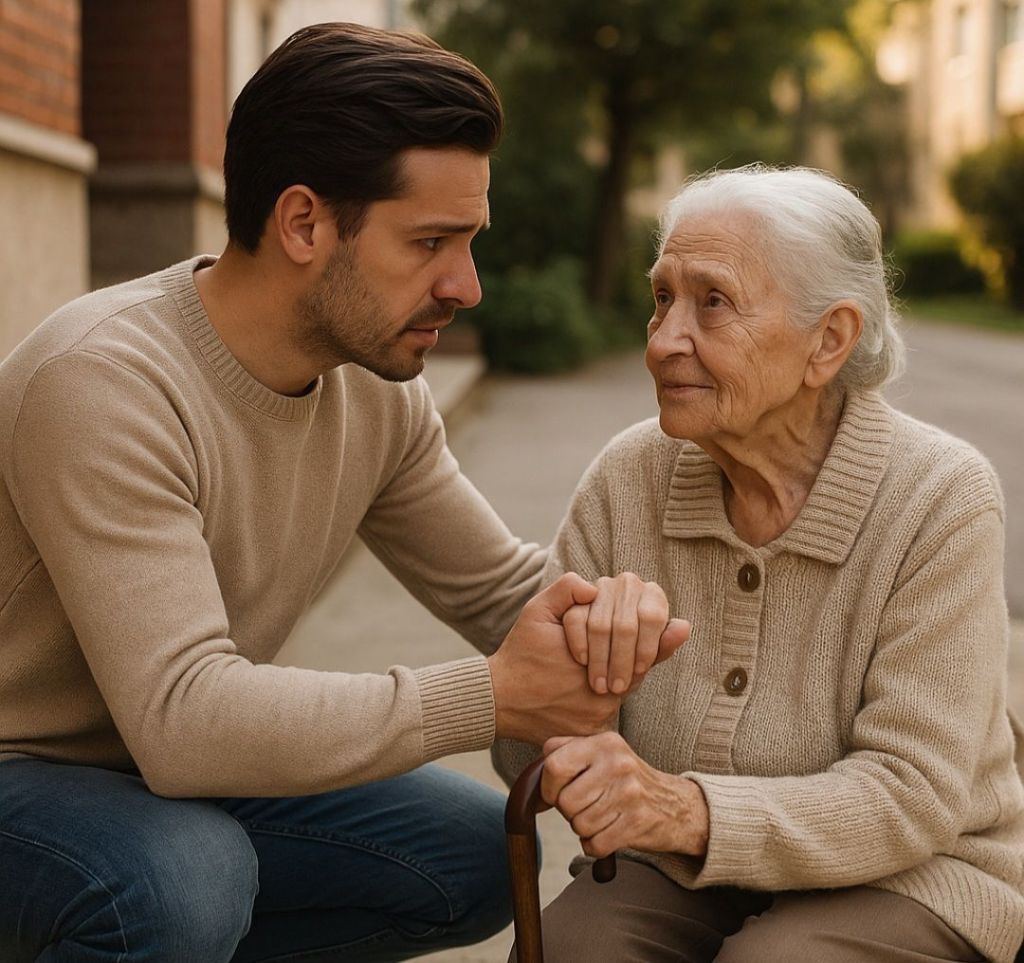
“परोपकारी वृत्तीमुळेच मानवी नातेसंबंधांना दृढता मिळते….!”
माणूस हा मूलतः सामाजिक प्राणी आहे. त्याच्या जीवनातील सर्वच नातेसंबंध हे परस्पर सहकार्य, विश्वास आणि सुसंवाद यावर आधारित असतात. अशा या नात्यांच्या विणकामाला जो खरा बळकटी देतो तो म्हणजे ‘परोपकार’. दुसऱ्याच्या भल्यासाठी केलेली कृती ही फक्त त्या व्यक्तीस उपकारक ठरत नाही, तर संपूर्ण समाजाच्या मानसिक आरोग्यास आणि मूल्यव्यवस्थेस चालना देणारी ठरते. म्हणूनच परोपकाराची संस्कृती ही केवळ एक सद्गुण नसून, ती मानवी जीवनाचा मूलभूत आधार आहे.
परोपकार ही मानवतेची खरी ओळख आहे. तो नसता तर नाती तुटली असती, समाज विखुरला असता आणि माणूसपण नष्ट झाले असते. म्हणूनच आपल्या दैनंदिन व्यवहारात, छोट्या कृतीतून, परोपकाराच्या बीजांची पेरणी करावी लागेल. कारण नाती दृढ ठेवणारा अदृश्य धागा म्हणजेच-"परोपकार."
🔲 परोपकाराची संकल्पना आणि त्याचे स्वरूप
परोपकार म्हणजे दुसऱ्याच्या हितासाठी स्वार्थ न बाळगता केलेले कार्य. यात आर्थिक, मानसिक, सामाजिक किंवा भावनिक मदत यांचा समावेश होतो. ही मदत केवळ दान किंवा सेवेस मर्यादित नसते, तर दुसऱ्याच्या दुःखात सहभागी होणं, सहानुभूतीने वागणं, वेळ दिला जाणं हेही परोपकाराचं स्वरूप असू शकतं. अशा वृत्तीचा मुळात उद्देश दुसऱ्याच्या आयुष्यात काही सकारात्मक घडवून आणणे हा असतो.
🔲कौटुंबिक नात्यांमध्ये परोपकाराचे स्थान
परिवार हेच माणसाच्या संस्कारांचं पहिलं विद्यालय असतं. घरातील सदस्यांनी एकमेकांप्रती सहकार्य, समजूत आणि सेवाभाव ठेवणे म्हणजे परोपकाराचा प्राथमिक अंकुर. मुलांचे पालनपोषण, वृद्धांची सेवा, भावंडांमध्ये समजूत, पत्नी-पतिवर्यांचे परस्पर आधार या सर्वांत परोपकारी भावनेचं अधिष्ठान असतं. हे संबंध जिथे निस्वार्थी असतात तिथे घरात आनंद आणि समाधानाचं वातावरण नांदतं.
🔲समाजातील परोपकार – एक बदल घडवणारी शक्ती
परिवारापलीकडे पाहिलं तर समाजातही परोपकाराला फार मोठं स्थान आहे. शिक्षण, आरोग्य, पर्यावरण, सामाजिक न्याय यांसारख्या क्षेत्रांत कार्य करणाऱ्या व्यक्ती किंवा संस्था समाजाला उन्नत करतात. स्वयंसेवी संस्था, मदतीसाठी धावणारे नागरिक, आपत्तीच्या काळातील मदतकार्य हे परोपकाराच्या बळावरच शक्य होतं. असा समाज अधिक संवेदनशील, एकजूट असलेला आणि प्रगतीशील ठरतो.
🔲 परोपकारी संस्कारांची गरज व महत्त्व
मूल्याधिष्ठित जीवनासाठी परोपकाराची शिकवण लहानपणापासूनच द्यावी लागते. शाळा, कुटुंब, माध्यमे आणि धार्मिक/सांस्कृतिक संस्था यांची ही जबाबदारी आहे. सध्या वाढत चाललेली स्पर्धा, आत्मकेंद्रित जीवनशैली आणि तंत्रज्ञानाने निर्माण केलेलं एकाकीपण यामुळे परोपकाराची भावना दुर्लक्षित होत आहे. म्हणूनच सजगपणे आणि हेतुपुरस्सर अशा संस्कारांची गरज अधिक भासू लागली आहे.
🔲 परोपकारामुळे निर्माण होणारे दृढ नातेसंबंध
जेव्हा एखादी व्यक्ती दुसऱ्याच्या जीवनात निस्वार्थीपणे सहभागी होते, तेव्हा त्या दोघांमध्ये केवळ ऋणानुबंधच तयार होत नाहीत, तर विश्वासाचं, मैत्रीचं आणि सहजीवनाचं नातंही तयार होतं. परोपकारामुळे सामाजिक समता, समजूतदारपणा आणि सामंजस्य वाढतं. हीच ती शक्ती आहे जी माणसांना एकत्र आणते, दु:ख वाटून घेते आणि आनंद द्विगुणित करते.
🔲प्रगतीसाठी परोपकाराचे योगदान
एका समाजाची प्रगती केवळ भौतिक विकासावर अवलंबून नसते; ती माणसांच्या संवेदनशीलतेवरही अवलंबून असते. ज्या समाजात परोपकाराला प्रतिष्ठा दिली जाते, तिथे नैतिकता, शिस्त आणि सहृदयता यांचं पालन होतं. हे गुणधर्म केवळ व्यक्तीला नव्हे, तर संपूर्ण समाजाला उन्नत करतात. म्हणूनच परोपकार ही केवळ भावना नसून, ती प्रगतीची प्राथमिक अट आहे.

:-Mukund Madhukar Hingne.
 avatibhavati.com
यावर आपले मत नोंदवा