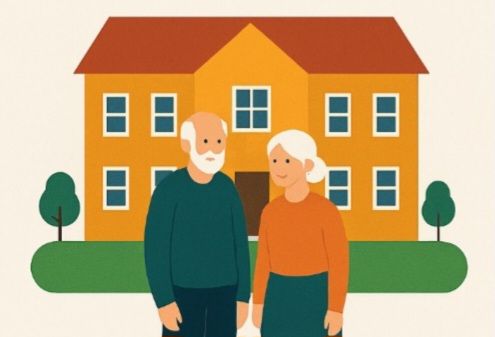
Once upon a time, the joint family system was prevalent in our society. Grandparents, parents, uncles and aunts, cousins—all lived together under one roof. In such a setup, the need for multiple rooms and a large house was entirely justified. However, in today’s fast-paced and individualistic lifestyle, family sizes have significantly reduced. Society has largely embraced the nuclear family structure, yet the fascination with large homes has not diminished. This contradiction raises questions about the mindset of our society.
Dreaming of a big house is not wrong. But one must seriously consider whether it is a genuine need or merely a pursuit of prestige. What truly matters is how useful the house is to us and how much happiness it brings. If we make choices that align with reality—taking into account our age, health, family size, and lifestyle—we can truly lead a happier and more balanced life.
◾Nuclear Families – The Need for Smaller Homes
Today, most families are limited to just a husband, wife, and at most two children. Often, children settle abroad or in other cities, leaving retired parents alone at home. In such cases, even though only two people live in the house, they often own a three- or four-room bungalow or apartment with a large courtyard. The actual use of this space is minimal, while the burden of maintaining it keeps increasing.
◾Social Status or Mental Satisfaction?
For many, a large house is seen as a symbol of social prestige. Some take pride in saying, “Our house is so big.” But rarely does one question whether this pride aligns with their lifestyle. Living in a big house can often amplify the sense of loneliness. The grandeur maintained just for show often loses its practical usefulness.
◾Maintenance and Expenses – An Unnecessary Burden
Cleaning, maintaining, and repairing a large house becomes a major challenge for elderly or small-sized families. These tasks often require hiring domestic help, plumbers, electricians, and gardeners. Expenses for electricity, water, and property tax also go up. All of this adds weight to everyday life. Still, many families bear this burden either due to past decisions or social pressure.
◾Small Homes – Compact, Convenient, and Sustainable
In today’s times, a small, smart, and eco-friendly home can be a more suitable option for smaller families. Such homes are easier to clean and manage. They involve lower costs, and every corner of the house is used efficiently. Resources like fuel, water, and electricity are used optimally. All of this supports a more sustainable lifestyle.
◾Mental Health and Quality of Life
It’s time to change the notion that a big house equals happiness. A fulfilling life doesn’t depend on the size of the house, but on the quality of relationships, communication, and mental peace. Contentment can be found even in a small, well-organized space. For the elderly in particular, a small house means fewer responsibilities and more peace.
“बदलते कुटुंब, बदलती गरज- तरीही कायम मोठ्या घरांची हौस का ?”
कधीकाळी आपल्याकडे एकत्र कुटुंबपद्धती प्रचलित होती. एकाच घरात आजीआजोबा, आईवडील, मामा-मामी, काका-काकू, चुलत-मुलत भावंडं – सारेजण एकत्र राहत. अशा वेळी खोल्यांची गरज आणि घराचे मोठेपण अगदीच समर्पक होते. परंतु सध्याच्या वेगवान आणि व्यक्तिगत आयुष्यशैलीत ही कुटुंबसंख्या लक्षणीयरीत्या कमी झाली आहे. विभक्त कुटुंबपद्धतीचा स्वीकार समाजाने केला आहे, पण तरीही मोठ्या घरांची हौस मात्र कमी झालेली नाही. ही विरोधाभासी गोष्ट समाजाच्या मानसिकतेबद्दल प्रश्न उपस्थित करते.
मोठ्या घराचं स्वप्न काही चुकीचं नाही. पण ती गरज आहे की केवळ प्रतिष्ठेची हौस – याचा ठाम विचार व्हायला हवा. आपण ज्या घरात राहतो, ते आपल्याला किती उपयोगी ठरतं, आपल्याला किती आनंद देतं, हेच मोजमाप अधिक महत्त्वाचं. वय, आरोग्य, सदस्यसंख्या आणि जीवनशैली या सगळ्या बाबी लक्षात घेऊन, वास्तवाशी सुसंगत अशी निवड केली तर खऱ्या अर्थाने सुखी आणि हलकं जीवन जगता येईल.
◾विभक्त कुटुंबपद्धती – छोट्या घरांची गरज
आज बहुसंख्य कुटुंबं ही नवरा-बायको आणि फारतर दोन मुलं एवढी मर्यादित राहिलेली आहेत. अनेक वेळा मुले परदेशात, शहराबाहेर स्थायिक झालेली असतात, आणि निवृत्त पालक घरी एकटे उरतात. अशा वेळी घरात फक्त दोन व्यक्ती असूनही, त्यांच्याकडे तीन-चार खोल्यांचे, मोठ्या अंगणाचे, बंगल्याचे किंवा अपार्टमेंट्सचे घर असते. त्याचा प्रत्यक्ष उपयोग मात्र अत्यल्प. त्या जागेच्या देखभालीचा भार मात्र वाढत जातो.
◾ सामाजिक प्रतिष्ठा की मानसिक समाधान?
मोठं घर ही अनेकांसाठी सामाजिक प्रतिष्ठेची खूण मानली जाते. “आमचं घर इतकं मोठं आहे”, हे सांगण्यात काहीजणांना अभिमान वाटतो. परंतु हा अभिमान जीवनशैलीला अनुकूल आहे का, याचा विचार क्वचितच केला जातो. मोठ्या घरात राहून एकटेपणाची जाणीव अधिक गडद होत जाते. समाजात दाखवण्यासाठी ठेवलेली भव्यता प्रत्यक्षात उपयुक्तता गमावते.
◾ देखभाल आणि खर्च – एक अवांतर भार
मोठ्या घराची स्वच्छता, देखभाल, दुरुस्ती हे सगळं वृद्ध किंवा मर्यादित सदस्यांच्या कुटुंबासाठी फार मोठं आव्हान ठरतं. या कामांसाठी मोलकरीण, प्लंबर, इलेक्ट्रिशियन, गार्डनर यांच्यावर खर्च करावा लागतो. वीज, पाणी, मालमत्ता कर यांचेही खर्च वाढतात. या सर्व गोष्टींमुळे जीवनात जडत्व येते. तरीसुद्धा अनेक कुटुंबं हा भार नाइलाजाने उचलत असतात – एकतर पूर्वी घेतलेल्या निर्णयामुळे किंवा सामाजिक दडपणामुळे.
◾छोटं घर – सुटसुटीत, सोयीस्कर आणि शाश्वत
आजच्या काळात कमी सदस्यांच्या कुटुंबासाठी छोटं, स्मार्ट, पर्यावरणस्नेही घर अधिक योग्य पर्याय ठरू शकतो. अशी घरं स्वच्छ ठेवणं, व्यवस्थापन करणं सोपं असतं. त्यात खर्च कमी, आणि घराच्या प्रत्येक भागाचा वापर पुरेपूर होतो. इंधन, पाणी, वीज या स्रोतांचा योग्य वापर होतो. या सगळ्या गोष्टी पर्यावरणस्नेही जीवनशैलीस पूरक ठरतात.
◾मानसिक स्वास्थ्य आणि जीवनाची गुणवत्ता
मोठं घर म्हणजे सुख, ही संकल्पना बदलण्याची वेळ आली आहे. सुखद जीवन ही घराच्या आकारावर नाही, तर माणसांच्या नात्यांवर, संवादावर आणि मानसिक समाधानीपणावर अवलंबून असते. छोट्या आणि नीटनेटक्या जागेत राहूनही समाधान मिळवता येते. विशेषतः वृद्ध व्यक्तींसाठी छोटं घर म्हणजे कमी जबाबदाऱ्या आणि अधिक शांतता.
:-Mukund Madhukar Hingne.
 avatibhavati.com
यावर आपले मत नोंदवा