Balance is Essential

The number of political parties in India is a symbol of democratic diversity, but this diversity also needs a framework of discipline and accountability. Other democratic nations can learn public participation from India, while India can learn political discipline and governance from them. A multi-party democracy is India's strength, but to sustain it, political maturity and awareness among the citizens are crucial.
India is the largest democracy in the world, and its political diversity is truly astonishing. Here, numerous political parties operate at national, regional, and local levels. People often ask whether having so many parties is a strength or a weakness of democracy. Why does India appear so different when compared to other democratic nations around the world? Democracy is not limited to just the electoral process; it is a multifaceted social institution. The existence of multiple political parties reflects the varied needs and perspectives of the people. However, it is essential to deeply examine the causes and consequences behind this phenomenon.
👉India’s Political Pluralism
India currently has over 2,500 registered political parties, including a few national and many regional and local parties. Each state has its own language, culture, social understanding, and economic challenges, which shape its unique political representation. This pluralism is a hallmark of Indian democracy, as it gives voice to people at every level.
👉Comparison with Other Democracies
Most developed democratic nations (e.g., the USA, UK, Canada) have between two to five major political parties. Multiparty systems are relatively limited there. For example, in the U.S., only two dominant parties—Republicans and Democrats—hold sway, and smaller parties hardly influence the outcome. In contrast, regional parties in India can have a decisive impact on election results.
👉The Social Background Behind So Many Parties
India’s political diversity mirrors its social diversity. Numerous groups exist based on caste, religion, language, region, and economic status. Each group desires its own voice and leadership. As a result, independent parties emerge to represent specific voter bases.
👉Sign of Democratic Strength or Confusion?
The large number of parties can be seen as a sign of democratic strength, as it reflects a diversity of thought and political competition. However, it often leads to confusion during government formation, resulting in incomplete majorities and instability. Coalition governments in such cases tend to be short-lived and less decisive.
👉A Test of Political Responsibility and Transparency
Among the multitude of parties, some exist only during election time. Their goals and ideologies are often unclear. Some parties make populist promises to attract specific communities but fail to fulfill them once in power. This raises concerns about accountability within democracy.
👉More Parties, More Representation?
A wide range of political parties allows more people to find expression for their beliefs. This encourages grassroots participation in politics. For instance, some parties become the voice of the underprivileged, tribal communities, or minorities. Thus, democracy becomes more inclusive.
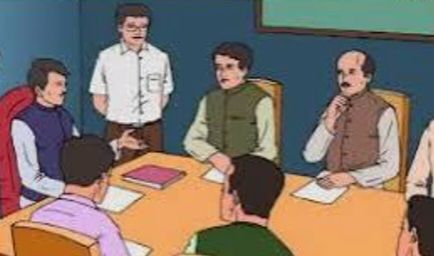
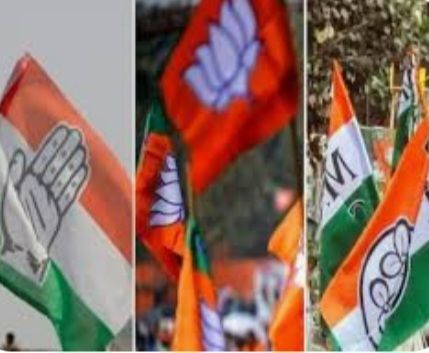
“सर्वाधिक राजकीय पक्ष असणारा भारत हा जगातील एकमेव देश….!”
भारत हा जगातील सर्वात मोठा लोकशाही देश आहे, आणि इथली राजकीय विविधता ही खरोखर विस्मयजनक आहे. इथे राष्ट्रीय, प्रादेशिक आणि स्थानिक पातळीवर असंख्य राजकीय पक्ष कार्यरत आहेत. अनेकदा लोक विचारतात की, इतके पक्ष असणे ही लोकशाहीची शक्ती आहे की कमजोरी? जगातील अन्य लोकशाही देशांशी तुलना करता भारताचे चित्र वेगळे का दिसते? लोकशाही म्हणजे केवळ निवडणूक प्रक्रियेपर्यंत मर्यादित नसून, ती एक बहुआयामी सामाजिक संस्था आहे. विविध राजकीय पक्षांचा अस्तित्व हे जनतेच्या विविध गरजांचे व दृष्टिकोनाचे प्रतिनिधीत्व करते. पण यामागील परिणाम आणि कारणांचा सखोल विचार करणे आवश्यक ठरते.
संतुलन हवेच

भारतातील राजकीय पक्षांची संख्या ही लोकशाहीच्या विविधतेचे प्रतीक आहे, पण या विविधतेला शिस्त आणि उत्तरदायित्वाची चौकटही लागते. इतर लोकशाही देशांनी भारताकडून लोकसहभाग शिकावा, तर भारताने इतरांकडून राजकीय शिस्त आणि व्यवस्थापन. बहुपक्षीय लोकशाही ही भारताची ताकद आहे, पण ती टिकवण्यासाठी जनतेचे राजकीय प्रगल्भता आणि जागरूकता आवश्यक आहे.
👉भारताची राजकीय बहुरुपता
भारतात सध्या २,५०० हून अधिक नोंदणीकृत राजकीय पक्ष आहेत, ज्यात काही राष्ट्रीय तर अनेक प्रादेशिक आणि स्थानिक आहेत. प्रत्येक राज्याची भाषा, संस्कृती, सामाजिक समज आणि आर्थिक समस्या वेगवेगळ्या असल्यामुळे त्यांचे राजकीय प्रतिनिधित्व वेगळ्या स्वरूपात घडते. ही बहुरुपता भारताच्या लोकशाहीची खासियत आहे, कारण ती सर्व स्तरांवरील आवाजाला स्थान देते.
👉जगातील इतर लोकशाहींची तुलना
बहुतेक प्रगत लोकशाही देशांमध्ये (उदा. अमेरिका, ब्रिटन, कॅनडा) दोन ते पाच मुख्य राजकीय पक्ष असतात. तिथे बहुपक्षीय प्रणाली कमी प्रमाणात असते. उदाहरणार्थ, अमेरिकेत केवळ दोन प्रभावी पक्ष – रिपब्लिकन आणि डेमोक्रॅट्स – असून इतर छोटे पक्ष प्रभाव टाकत नाहीत. याउलट भारतात प्रादेशिक पक्ष निवडणुकीच्या निकालावर निर्णायक परिणाम करू शकतात.
👉इतके पक्ष असण्यामागची सामाजिक पार्श्वभूमी
भारताच्या विविधतेमुळे राजकारणातही तितकीच विविधता दिसून येते. जाती, धर्म, भाषा, प्रदेश, आणि आर्थिक घटक यावर आधारित असंख्य गट आहेत. प्रत्येक गटाला आपला आवाज असावा, आपले नेतृत्व असावे अशी अपेक्षा असते. त्यामुळे प्रत्येक मतगटाचे प्रतिनिधित्व करणारे स्वतंत्र पक्ष निर्माण होतात.
👉लोकशाहीच्या सुदृढतेचे लक्षण की गोंधळाचे?
इतके पक्ष असणे हे लोकशाहीची सुदृढता दर्शवते, कारण ही राजकीय स्पर्धा विचारांची विविधता दाखवते. पण यामुळे सरकार स्थापनेत अनेकदा गोंधळ, अपूर्ण बहुमत आणि अस्थिरता निर्माण होते. बहुपक्षीय युती सरकारे अल्पकालीन असतात आणि निर्णयक्षमतेवर मर्यादा येते.
👉राजकीय जबाबदारी आणि पारदर्शकतेची चाचणी
इतक्या पक्षांमध्ये काही पक्ष केवळ निवडणूकपुरते अस्तित्वात येतात. त्यांची ध्येयधोरणे अस्पष्ट असतात. काही पक्ष विशिष्ट समुदायाचे मत मिळवण्यासाठी पॉप्युलिस्ट घोषणा करतात, परंतु सत्तेत आल्यावर त्या पूर्ण करत नाहीत. त्यामुळे लोकशाहीतील उत्तरदायित्वाचा प्रश्न उभा राहतो.
👉विविध पक्ष म्हणजे अधिक प्रतिनिधित्व?
राजकीय पक्षांची विविधता अधिक लोकांना त्यांच्या विचारांना साद देण्याची संधी देते. यामुळे खालच्या स्तरावरचे लोकही राजकारणात सहभागी होतात. उदाहरणार्थ, काही पक्ष मागासवर्गीय, आदिवासी, किंवा अल्पसंख्याकांचा आवाज बनतात. त्यामुळे लोकशाही सर्वसमावेशक होते.
:-Mukund Madhukar Hingne.
 avatibhavati.com
यावर आपले मत नोंदवा