In today’s global politics, war is no longer waged merely for border protection—it has become a powerful tool to dominate markets. From the expansionist perspective of capitalism, war is often viewed as an investment opportunity. However, the other side of this blood-soaked process is the immense loss suffered by war-torn nations. Human rights violations, the collapse of civilian life, and economic bankruptcy are the grim consequences that make the final balance of war almost always one of loss. This raises a critical question: when a country is completely devastated, what exactly is gained by capturing its market? The answer to this lies not just in international politics, but deep within the structure of the global economy. To explore this issue, we must reflect on the changing nature of war and its economic implications.
War is not a 'business model'. Who will take responsibility for the human and moral devastation it causes? The idea of conquering and winning by capturing markets may seem attractive, but it is ultimately hollow—because in a country full of broken lives, markets cannot be bought; they have to be rebuilt. And that is not possible for short-term profit alone. Therefore, instead of war, only a policy based on cooperation, coordination, and the values of peace can bring long-term stability to the economy.
🔷The Nature and Purpose of Modern Warfare
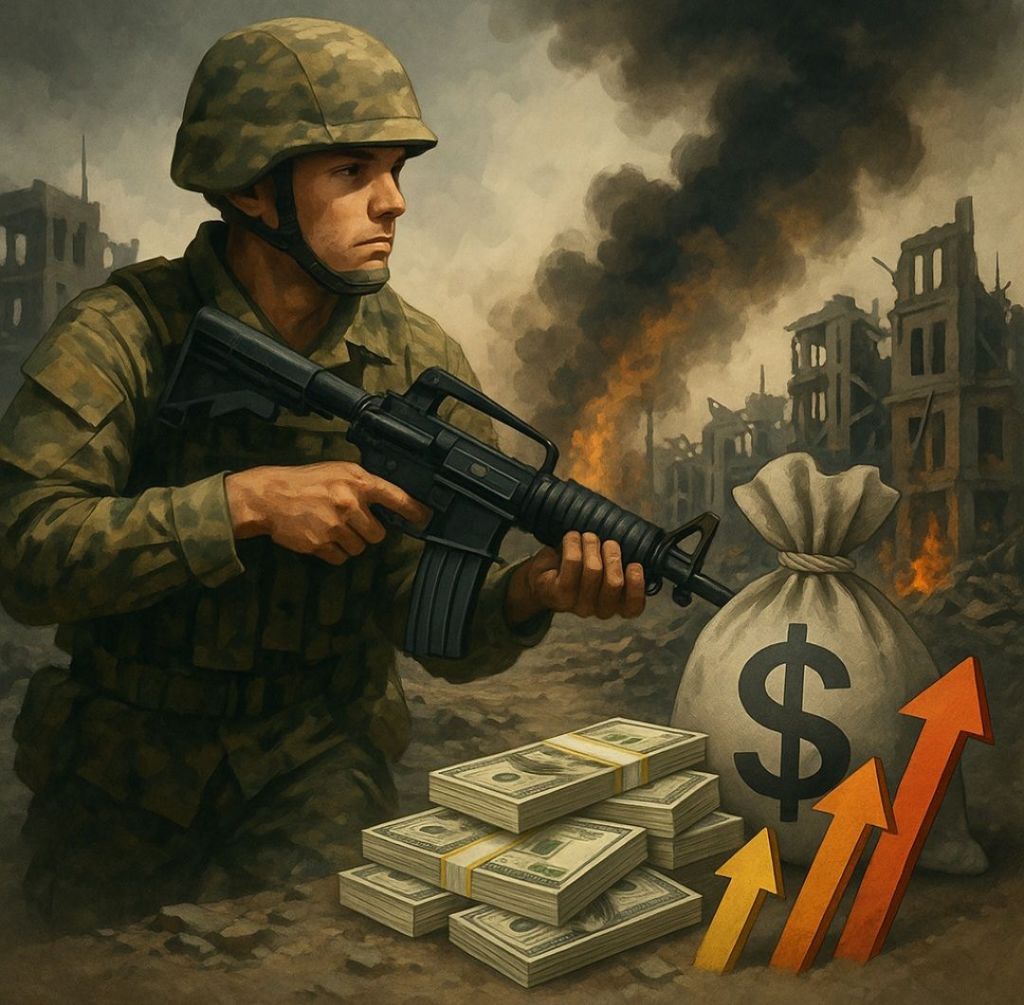
In the past, wars were fought primarily to expand territorial boundaries or based on religious and ethnic reasons. But the nature of war has completely changed today. In the modern era, war has become a means to gain control over markets and to direct strategic and social policies. The global economy, based on the defense industry, arms production, and infrastructure development, profits heavily from war.
🔷The Financial Loss Caused by War
War-torn nations suffer immense human casualties, but even more alarming is the financial loss. Industrial systems collapse, agriculture and trade come to a halt, and banking structures fail. Gross Domestic Product (GDP) drops significantly, and government expenditure becomes focused solely on defense. All of this delivers a severe blow to a country’s economic stability.
🔷The Aftermath of Inflation and Economic Bankruptcy
War halts production, disrupts supply chains, and leads to inflation. The needs of common people are ignored, plunging the country into a strange economic chaos. Scarcity, unemployment, and dependence force the country to rely on international aid or loans. Sometimes, this situation even leads to bankruptcy.
🔷Post-War Markets – Loot or Responsibility?
Capturing the market of a war-torn country might seem like an appealing idea. However, such a market represents a collapsed economy, destroyed infrastructure, weakened purchasing power, and an unstable government. Investing in such an environment is nothing short of a gamble fraught with risk and uncertainty. Thus, controlling such a market becomes less of an economic victory and more of a major management challenge.
🔷Post-War Reconstruction – A New Marketplace?
Western nations have often deployed their companies and agencies under the banner of post-war reconstruction in affected countries. This has emerged as a new form of market domination. For example, after the wars in Iraq and Afghanistan, the U.S. brought in hundreds of contracting firms. In the name of rebuilding, this is essentially a new kind of colonialism, where local people receive minimal benefit.
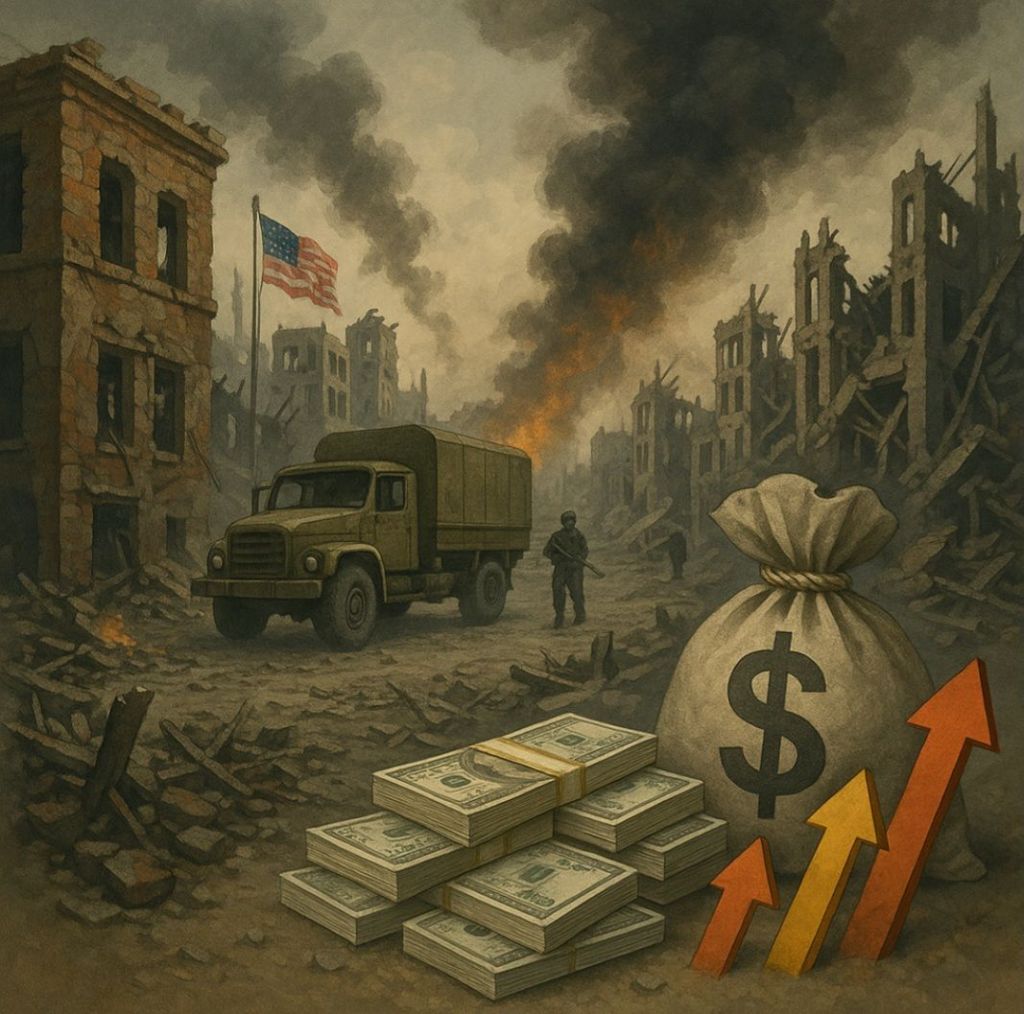
“बाजारपेठा काबीज करण्यासाठीच युद्धाचा वापर…!”
आजच्या जागतिक राजकारणात युद्ध फक्त सीमा रक्षणासाठी नव्हे, तर बाजारपेठांवर वर्चस्व मिळवण्यासाठी एक प्रभावी हत्यार बनलं आहे. भांडवलशाहीच्या विस्तारवादी दृष्टिकोनातून युद्ध ही एक गुंतवणुकीची संधी मानली जाते. मात्र या रक्तरंजित प्रक्रियेचा दुसरा चेहरा म्हणजे युद्धग्रस्त देशांची अपरिमित हानी. मानवहक्कांचे उल्लंघन, नागरी जीवनाची उध्वस्तता आणि आर्थिक कंगाली या लक्षणीय परिणामांमुळे युद्धाचा अंतिम हिशेब नेहमीच तोट्यात जातो. मग प्रश्न असा उरतो की, जेव्हा एखादा देश पूर्णपणे ढासळतो, तेव्हा तिथल्या बाजारपेठेवर वर्चस्व मिळवून नेमकं काय हाती लागतं? या प्रश्नाचं उत्तर केवळ आंतरराष्ट्रीय राजकारणात नाही, तर जागतिक अर्थव्यवस्थेच्या खोल गर्तेत आहे. याच विषयाचा अभ्यास करताना आपल्याला युद्धाच्या बदलत्या स्वरूपावर आणि त्याच्या आर्थिक परीघावर चिंतन करावं लागेल.
युद्ध हा काही ‘बिझनेस मॉडेल’ नाही. त्यातून होणाऱ्या मानवी आणि नैतिक हानीची जबाबदारी कोण घेणार? बाजारपेठ काबीज करून जिंकण्याची कल्पना जितकी मोहक वाटते, तितकीच ती पोकळ आहे, कारण उद्ध्वस्त माणसांच्या देशात बाजारपेठ विकत घेता येत नाही, ती तयार करावी लागते – आणि ते फक्त तात्कालिक लाभासाठी शक्य नाही. म्हणूनच युद्धाऐवजी सहकार्य, समन्वय आणि शांततामूल्यांवर आधारित धोरणच अर्थव्यवस्थेला दीर्घकालीन स्थैर्य देऊ शकते.
🔷आधुनिक युद्धाचं स्वरूप आणि हेतू
पूर्वी युद्ध केवळ भौगोलिक सीमा वाढवण्यासाठी किंवा धार्मिक वंशाच्या आधारे लढलं जात होतं. पण आता युद्धाचं स्वरूप पूर्णतः बदललं आहे. आधुनिक काळात युद्ध हे बाजारपेठांवर नियंत्रण मिळवण्याचे आणि सामरिक-सामाजिक धोरणांना दिशा देण्याचे साधन बनलं आहे. संरक्षण उद्योग, शस्त्रास्त्रांचे उत्पादन आणि पायाभूत सुविधा उभारणी यावर आधारित जागतिक अर्थव्यवस्था ही युद्धातून नफा कमावते.
🔷युद्धामुळे होणारी वित्तीय हानी
युद्धग्रस्त देशात मोठ्या प्रमाणावर जिवितहानी होतेच, पण त्याहून अधिक भयावह म्हणजे वित्तहानी. औद्योगिक व्यवस्था उद्ध्वस्त होते, शेती आणि व्यापार बंद पडतो, बँकिंग व्यवस्था कोलमडते. देशांतर्गत उत्पादन (GDP) मोठ्या प्रमाणात घटते आणि सरकारी खर्च केवळ संरक्षणावर केंद्रित होतो. या सर्व गोष्टी आर्थिक स्थैर्याला मोठा धक्का देतात.
🔷महागाई आणि आर्थिक दिवाळखोरीचे दुष्परिणाम
युद्धामुळे उत्पादन थांबते, पुरवठा साखळी खंडित होते आणि परिणामी महागाई वाढते. सर्वसामान्य लोकांच्या गरजांचा विचार बाजूला पडतो आणि देश एका विचित्र आर्थिक गोंधळात सापडतो. निधर्मी, बेरोजगारी आणि परावलंबित्व यामुळे देशाला आंतरराष्ट्रीय मदतीवर किंवा कर्जावर अवलंबून राहावं लागतं. काही वेळा ही परिस्थिती दिवाळखोरीकडेही नेत असते.
🔷युद्धानंतरची बाजारपेठ – लूट की जबाबदारी?
एका युद्धग्रस्त देशाची बाजारपेठ ताब्यात घेणं ही एक स्वप्नवत कल्पना वाटते. मात्र ती बाजारपेठ म्हणजे शून्यावर आलेली अर्थव्यवस्था, उद्ध्वस्त पायाभूत सुविधा, खालावलेली क्रयशक्ती आणि अस्थिर सरकार. अशा ठिकाणी गुंतवणूक करणे म्हणजे धोक्याची आणि अनिश्चिततेची जुगारबाजी. त्यामुळे तिथल्या बाजारपेठेवर ताबा मिळवणं हे आर्थिक यशाचं नव्हे, तर व्यवस्थापनाचं मोठं आव्हान बनतं.
🔷युद्धोत्तर पुनर्बांधणी ही नवीन बाजारपेठ?
पश्चिमी राष्ट्रांनी युद्धग्रस्त देशांमध्ये पुनर्बांधणीच्या नावाखाली अनेकदा आपल्या कंपन्या आणि एजन्सी उतरवल्या. हे केवळ बाजारपेठेवर वर्चस्व मिळवण्याचे नवे स्वरूप ठरले. उदा. इराक किंवा अफगाणिस्तानमध्ये अमेरिकेने युद्धानंतर शेकडो ठेकेदारी संस्था घुसवल्या. पुनर्बांधणीच्या नावाखाली हा एक नव्या प्रकारचा वसाहतवादच आहे, जिथे स्थानिक लोकांना फारसा लाभ मिळत नाही.
:-Mukund Madhukar Hingne.
 avatibhavati.com
यावर आपले मत नोंदवा