The person who tries to live alone will not succeed as a human being. His heart withers if it does not answer another heart. His mind shrinks away if he hears only the echoes of his own thoughts and finds no other inspiration.
We have all heard that human beings are social creatures. Yet in today’s competitive and fast-paced world, many people are seen willingly choosing solitude. Some consciously build walls around themselves, while others withdraw due to the wounds left by broken relationships. Though they may still be living as human beings, they gradually lose their very essence of humanity. True human growth happens through companionship, communication, and emotional sharing. Prolonged loneliness slowly dries up the heart and mind from within.
Sometimes, the choice of solitude is made for the sake of freedom or creativity, but if it becomes a permanent state, it turns into a sign of inner unrest. There is a significant difference between being alone and feeling lonely. A person who confines themselves only to their own world slowly begins to drift away from even their own self. Therefore, breaking the wall of loneliness and re-engaging in conversations, companionship, and relationships is the true way to preserve one's humanity.
💢1. A Person Can Live Alone, But Cannot Survive Without Relationships
The fundamental need of human existence is connection – beginning with the mother and extending to society at large. It is through relationships that we discover ourselves, learn, and grow. Living alone may offer temporary comfort, but in the long run, it causes emotional and mental harm. Communication, touch, and companionship are not just emotional desires but biological necessities.
💢2. The Heart Holds Emotions — Meant to Be Shared
Every heart holds emotions — love, anger, sorrow, joy. Unless these emotions are shared, they stagnate and become numb. If someone’s emotions receive no response from another heart, they slowly fade away. This process dries the person from within, destroys their sensitivity, and leaves behind only a body, not a human being.
💢3. When One Hears Only Their Own Thoughts, Inspiration Fades
If a person hears only their own thoughts and never gets exposed to others’ perspectives, they become intellectually narrow. It is through others’ thoughts, experiences, advice, and questions that we enrich ourselves. A lonely mind becomes uninspired, endlessly circling within its own shadow.
💢4. Absence of Communication Breeds Spiritual Fatigue
Communication isn’t just about words — it includes gaze, touch, feelings, respect, and participation. Without it, a person becomes like a dark cave — where light cannot enter and outsiders are not welcome. Such inner fatigue eventually affects both mind and body.
💢5. Companionship Is Essential for Social and Mental Well-being
Companionship has a profound impact on mental health. Research shows that people in healthy relationships are happier and live longer. Loneliness invites depression, anxiety, and physical ailments. That’s why social engagement and friendship are not luxuries, but essential needs.
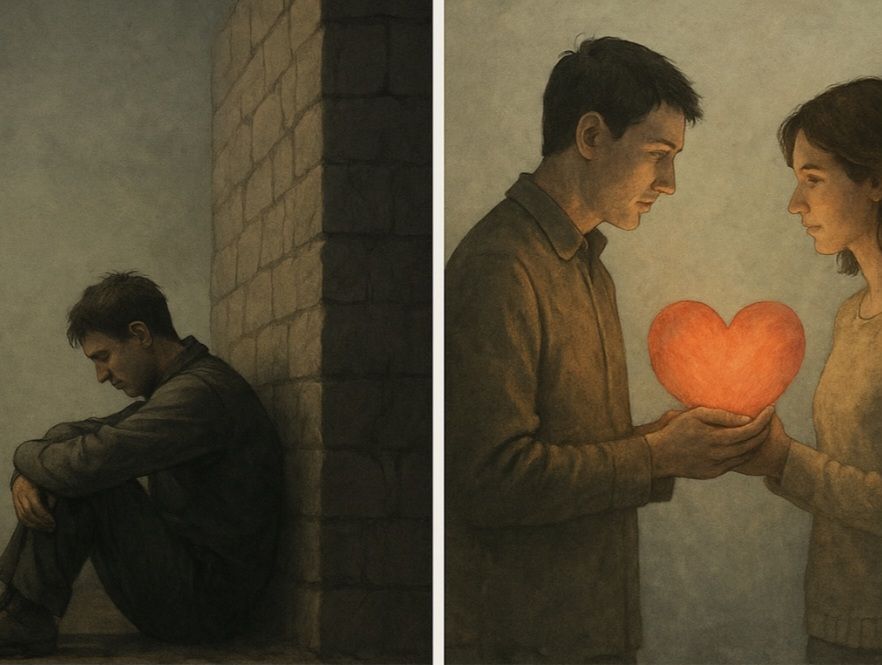
“एकटेपणाचे ओझे – माणूसपण हरवण्याची सुरुवात….!”
जो मनुष्य एकटं राहून जगण्याचा प्रयत्न करतो, तो एक पूर्ण माणूस म्हणून कधीही यशस्वी होऊ शकत नाही. दुसऱ्या हृदयाला प्रतिसाद न दिल्यास त्याचं स्वतःचं हृदय कोमेजून जातं. आणि जर त्याला केवळ स्वतःच्याच विचारांचे पडसाद ऐकू आले, दुसऱ्यांकडून प्रेरणा मिळाली नाही, तर त्याचं मनही संकुचित होतं.
मानव एक सामाजिक प्राणी आहे हे आपण सर्वजण ऐकत आलो आहोत. पण आजच्या स्पर्धात्मक आणि धकाधकीच्या जीवनात अनेकजण स्वेच्छेने एकटं राहणं पसंत करताना दिसतात. काहीजण जाणीवपूर्वक स्वतःभोवती भिंती उभ्या करतात, तर काहीजण नात्यांमधून आलेल्या जखमांमुळे स्वतःला दूर ठेवतात. अशा वेळी ते माणूस म्हणून जगत असले तरी “माणूसपण” हरवत चाललेले असतात. कारण माणूस म्हणून आपली वाढ दुसऱ्यांच्या सान्निध्यात, संवादात आणि भावना वाटण्यातच होते. एकटेपणाचा दीर्घकाळ टिकणारा अनुभव अंतःकरण आणि मनाला कोरडं करत जातो.
काही वेळेस एकटेपणाची निवड ही स्वातंत्र्य किंवा सृजनतेसाठी असते, पण जर ती सततची झाली तर ती अस्वस्थतेचं प्रतीक ठरते. एकटं राहणं आणि एकटं वाटणं यामध्ये फार मोठा फरक असतो. निव्वळ स्वतःपुरता सीमित झालेला माणूस हळूहळू स्वतःपासूनही दूर जातो. म्हणून, एकटेपणाची भिंत तोडून पुन्हा संवादात, सहवासात आणि नात्यांमध्ये स्वतःला गुंतवणं, हेच माणूसपण जपण्याचं खऱ्या अर्थाने लक्षण आहे.
💢१. माणूस एकटं राहू शकतो, पण नात्यांशिवाय जगू शकत नाही
मानवाच्या अस्तित्वाची मूळ गरज म्हणजे संबंध – आईपासून सुरू होणाऱ्या आणि समाजापर्यंत विस्तारणाऱ्या. नात्यांमधूनच आपण आपल्याला ओळखतो, शिकतो आणि विकसित होतो. एकटं राहणं क्षणिक सुख देऊ शकतं, पण दीर्घकाळात ते वैयक्तिक आणि मानसिक हानीच करतं. संवाद, स्पर्श, सहवास या गोष्टी केवळ भावनिक नव्हे तर जैविक गरजाही आहेत.
💢२. हृदयात भावना असतात, त्या वाटण्यासाठी असतात
प्रत्येक हृदयात भावना असतात – प्रेम, राग, दु:ख, आनंद. या भावना वाटल्या गेल्याशिवाय त्या साचतात, बधिर होतात. जर एखाद्याच्या भावनांना दुसऱ्या हृदयाचा प्रतिसादच मिळत नसेल, तर त्या हळूहळू संपुष्टात येतात. ही प्रक्रिया मनुष्याला आतून कोरडं करते, त्याची संवेदनशीलता नष्ट करते आणि तो केवळ शरीर म्हणून उरतो, माणूस म्हणून नव्हे.
💢३. स्वतःचे विचारच सतत ऐकले, तर प्रेरणा हरवते
एखाद्याला जर फक्त स्वतःचेच विचार ऐकू येत असतील, दुसऱ्याच्या दृष्टिकोनाचा अनुभव घेताच येत नसेल, तर तो वैचारिकदृष्ट्या संकुचित होतो. दुसऱ्याचे विचार, अनुभव, सल्ले, प्रश्न यांतूनच आपण स्वतःला समृद्ध करतो. एकटं मन प्रेरणाशून्य होतं, ते केवळ स्वतःच्या सावलीत फिरत राहतं.
💢४. संवादाची अनुपस्थिती म्हणजे आत्मिक मरगळ
संवाद केवळ शब्दांचा नव्हे, तर दृष्टी, स्पर्श, भावना, सन्मान आणि सहभागाचा असतो. संवाद नसेल, तर माणूस गूढ गुहेसारखा होतो – ज्यात प्रकाश पोचत नाही, आणि बाहेरून कुणी येण्याची परवानगी नसते. अशी अंतःस्थ मरगळ मनावर आणि शरीरावर परिणाम करते.
💢५. सामाजिक व मानसिक आरोग्यासाठी सहवास आवश्यक
मानसिक आरोग्यावर सहवासाचा मोठा परिणाम असतो. संशोधन असं सांगतं की, चांगल्या नात्यांमध्ये असलेली माणसं अधिक निरोगी आणि दीर्घायुषी असतात. एकटेपण हे डिप्रेशन, चिंता, आणि शारीरिक व्याधींनाही आमंत्रण देतं. म्हणूनच सामाजिक सहभाग आणि मैत्री ही केवळ पर्याय नसून गरज आहे.
:-Mukund Madhukar Hingne.
 avatibhavati.com
यावर आपले मत नोंदवा