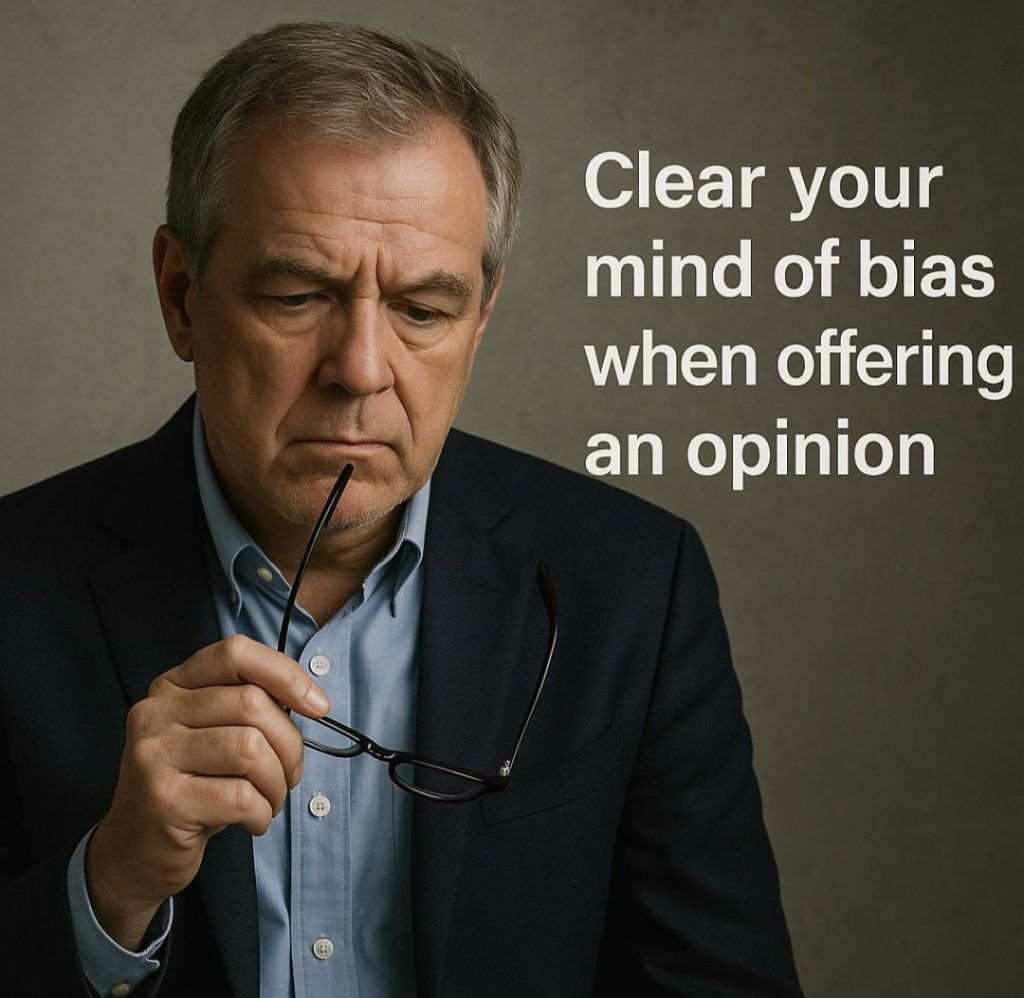
All those who offer an opinion on any doubtful point should first clear their minds of every sentiment of dislike, friendship, anger or pity.
Avoiding emotional interference at the moment of decision-making is a mark of wisdom. When any issue is doubtful, it is essential to keep personal emotions aside while expressing an opinion. If an opinion is rooted in hatred, it becomes blind; if based on friendship, it becomes biased. Emotions like anger, compassion, and sympathy blur the reflection of truth. Therefore, anyone offering a judgment or opinion must understand that decisions influenced by emotions are not honest but driven by momentary impulses. To uphold justice, ethics, and reason, mental clarity is crucial. This very thought process is essential for the bright future of both the individual and society.
1️⃣ Emotional Interference in Decision-Making
If a decision is taken with elements of hatred, anger, friendship, or compassion already present in the mind, it becomes prejudiced. While emotions are inevitable by human nature, it is essential to set them aside for fair judgment. Otherwise, the understanding of truth becomes more complicated instead of clearer.
2️⃣ The Relationship Between Reason and Impartiality
Reasoning is the ability to distinguish between truth and falsehood. This ability can only be developed through objective thinking. Impartiality means keeping emotional attachment out of the decision-making process. When reasoning and impartiality come together, the opinion expressed becomes truly wise.
3️⃣ Why Emotion-Free Judgment Is Necessary in the Legal System
Judges in courts are expected to deliver decisions without emotional influence. If their verdicts are based on anger or compassion, they may provide emotional satisfaction but not justice. Justice is a decision made within the framework of law and based on neutrality.
4️⃣ Why Neutrality Is Necessary in Personal Relationships Too
In our personal lives, we often express opinions about others. When we do so under the influence of friendship or enmity, it affects how others perceive that person. Supporting a friend’s wrongdoing or denying someone’s good qualities due to conflict—both are unjust actions.
5️⃣ Detachment in Administration, Journalism, and Leadership
Administrators, journalists, and leaders often have to make decisions for society. In such cases, they must present their stance solely based on facts, free from pressure, relationships, or emotional influence. Otherwise, public trust begins to erode.
6️⃣ What It Means to Be Honest With Oneself
Honesty is not just about being truthful with others, but with oneself too. When we are mentally clear, our opinions become more thoughtful, nuanced, and balanced. Expressing an opinion is not merely about using words—it is a reflection of one’s inner integrity.
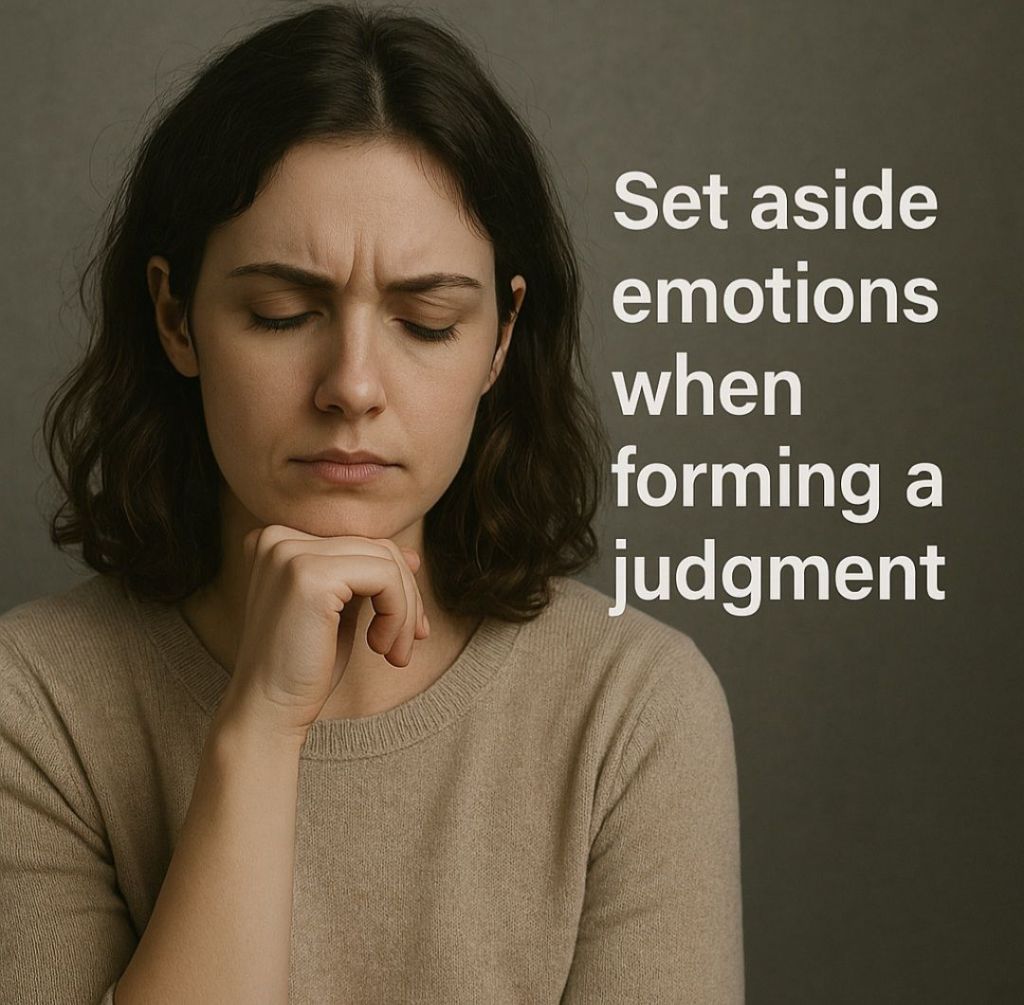
“कोणतेही मत व्यक्त करताना वैयक्तिक भावना बाजूला ठेवावी…!”
कोणत्याही संशयास्पद मुद्द्यावर मत मांडणाऱ्या प्रत्येकाने आधी आपल्या मनातील द्वेष, मैत्री, राग किंवा सहवेदना यांसारख्या सर्व भावना दूर करून मन निर्मळ करावे.
निर्णय घेण्याच्या क्षणी मनोभावनांचा अडसर टाळणे हे सुज्ञतेचं लक्षण आहे. कोणताही विषय संशयास्पद असेल, तर त्या बाबतीत मत मांडताना आपल्या वैयक्तिक भावना बाजूला ठेवणं आवश्यक असतं. मत द्वेषावर आधारित असेल तर ते अंध होते, मैत्रीच्या आधारे असेल तर ते पक्षपाती. राग, दया, सहानुभूती यांसारख्या भावना सत्याचं प्रतिबिंब अस्पष्ट करतात. म्हणून निर्णय घेणारा किंवा मत मांडणारा प्रत्येक जण हे समजून घेतलं पाहिजे की, भावनांच्या आहारी जाऊन दिलेले निर्णय प्रामाणिक न राहता, क्षणिक प्रभावांखाली येतात. न्याय, नीती आणि विवेक या गोष्टी कायम ठेवण्यासाठी मानसिक स्वच्छता गरजेची आहे. हीच विचारप्रक्रिया व्यक्ती आणि समाज दोघांच्याही उज्ज्वल भविष्यासाठी आवश्यक आहे.
1️⃣ निर्णय प्रक्रियेत भावनांचा हस्तक्षेप
कोणताही निर्णय घेताना मनात जर आधीच द्वेष, राग, मैत्री किंवा सहवेदनेचे अंश असतील, तर तो निर्णय पूर्वग्रहदूषित ठरतो. मानवप्रकृतीनुसार भावना अपरिहार्य असल्या, तरी न्याय्य मतप्रदर्शनासाठी त्या बाजूला ठेवणं अनिवार्य आहे. अन्यथा सत्याशी संलग्न असलेली समज स्पष्ट होण्याऐवजी अधिक गुंतागुंतीची होते.
2️⃣ विवेकशक्ती आणि निष्पक्षतेचं नातं
विवेकशक्ती म्हणजे सत्य आणि असत्य यामधील सीमारेषा ओळखण्याची क्षमता. ही क्षमता केवळ तटस्थपणे विचार केल्यास विकसित होते. निष्पक्षता म्हणजेच कोणत्याही निर्णयामध्ये भावनिक संलग्नता न ठेवणे. जेंव्हा विवेक आणि निष्पक्षता एकत्र येतात, तेंव्हा मत खरंच सुज्ञतेने मांडलेले असते.
3️⃣ न्यायव्यवस्थेतील भावनाविरहितता का आवश्यक?
न्यायालयांमध्ये न्यायाधीशांकडून अपेक्षा केली जाते की ते भावनाविरहितपणे निर्णय देतील. कारण जर त्यांनी राग किंवा सहवेदनेवर आधारित निकाल दिला, तर तो केवळ भावनिक संतोष देईल, पण न्याय साध्य होणार नाही. न्याय म्हणजे कायद्याच्या चौकटीत, तटस्थतेच्या आधारावर घेतलेला निर्णय.
4️⃣ व्यक्तिगत नात्यांमध्येही तटस्थता का गरजेची?
आपल्या वैयक्तिक जीवनातही आपण अनेकदा इतरांबद्दल मत व्यक्त करतो. जेंव्हा आपण आपले मत मैत्री किंवा वैराच्या प्रभावाखाली देतो, तेंव्हा त्या व्यक्तीविषयी इतरांच्या समजांवर परिणाम होतो. म्हणूनच मित्र असेल म्हणून त्याच्या चुकीचं समर्थन करणं, किंवा एखाद्याशी वाद असेल म्हणून त्याच्या चांगल्या गोष्टी नाकारणं – हे सर्व अन्यायकारक ठरतं.
5️⃣ प्रशासन, पत्रकारिता आणि नेतृत्व यामधील निर्लेपता
प्रशासकीय अधिकारी, पत्रकार किंवा कोणतेही नेतृत्वकर्ते यांना समाजासाठी निर्णय घ्यावे लागतात. अशा वेळी त्यांनी कोणत्याही दबाव, संबंध किंवा सहवेदनेच्या प्रभावाखाली न येता केवळ तथ्यांच्या आधारे आपली भूमिका मांडली पाहिजे. अन्यथा समाजाचा विश्वास डळमळीत होतो.
6️⃣ स्वतःशी प्रामाणिक राहणं म्हणजे काय?
प्रामाणिकपणा म्हणजे केवळ इतरांशी नाही, तर स्वतःशीही प्रामाणिक असणं. आपण जेंव्हा मनातून स्वच्छ असतो, तेंव्हा आपलं मत अधिक समजूतदार, सूक्ष्म आणि तटस्थ बनतं. मतप्रदर्शन म्हणजे केवळ शब्दांचा खेळ नसून, आपल्या अंतःकरणाचा आरसा असतो.
:-Mukund Madhukar Hingne.
 avatibhavati.com
यावर आपले मत नोंदवा