How would you describe yourself to someone who can’t see you?
🌿
In a world of visuals, we see ourselves in mirrors, recognize ourselves in photos, and understand ourselves through others’ eyes.
But what if someone can’t see us at all — then who are we?
Our identity doesn’t lie only in our face — it lives in our thoughts, our behavior, our voice, and our emotions.
When we express this identity, we don’t present a mirror, but a mind.
In this article, let’s explore a selfhood that goes beyond being seen.
What would you say about yourself if the person in front of you couldn’t see you?
This is a thought-provoking journey — one that helps us understand ourselves in a new light.
🔸
The way we present ourselves is the true mirror of our beauty.
When we stand before a person without sight, our true identity is shaped by our core values, thoughts, emotions, and actions.
This is the real “vision of understanding without sight.”
1️⃣ Identity Revealed Through Voice
The way we speak often reveals more about us than we realize.
The calmness, enthusiasm, confidence, or hesitation in our voice conveys our emotional state to the listener.
When someone cannot see us, the answer to “Who am I?” is often found in the tone and rhythm of our speech.
Even the way we choose our words while describing ourselves reflects a deeper sense of who we are.
2️⃣ Thoughts and Values — The True Identity
More than any face, it is our values and mindset that define who we are.
Statements like “I value honesty,” “I act with empathy,” or “Respect means a lot to me” offer a much clearer picture of us.
A listener can understand our inner motivation through what we believe in and stand for.
3️⃣ Warmth in Touch and Action
When communicating with someone who is blind, our sensitivity is expressed through the way we shake hands, the gentleness of how we sit, and our willingness to help.
Our actions reflect our attitude.
Even in the absence of eye contact, touch, movement, and tone help a person feel our presence.
4️⃣ Defining Yourself Through Meaningful Experiences
Certain moments or changes in our life shape our identity.
For example – “I once walked through complete darkness, but never gave up hope,”
or “A teacher shaped my life, and now I teach others.”
Sharing these moments is like unfolding your personal story — and that makes a lasting impact.
5️⃣ Emotional Awareness — A Priceless Identity
A person’s emotional awareness is one of their greatest strengths.
Saying things like “I can understand others’ pain,” or “I have a calm and thoughtful nature,”
touches the heart more deeply than appearances.
This kind of identity isn’t just seen — it’s felt.
6️⃣ My Identity — A Complete Person
If someone couldn’t see me, I would describe myself like this:
“My voice is calm but clear. I enjoy listening and speak with kindness.
My values — honesty, respect for equality, and empathy — are reflected in everything I do.
I’ve learned from life, and each experience has brought me meaning.
Sometimes I feel lost, but I never stop seeking truth.
My identity lies beyond what’s visible — it lives in my actions, words, and heart.”

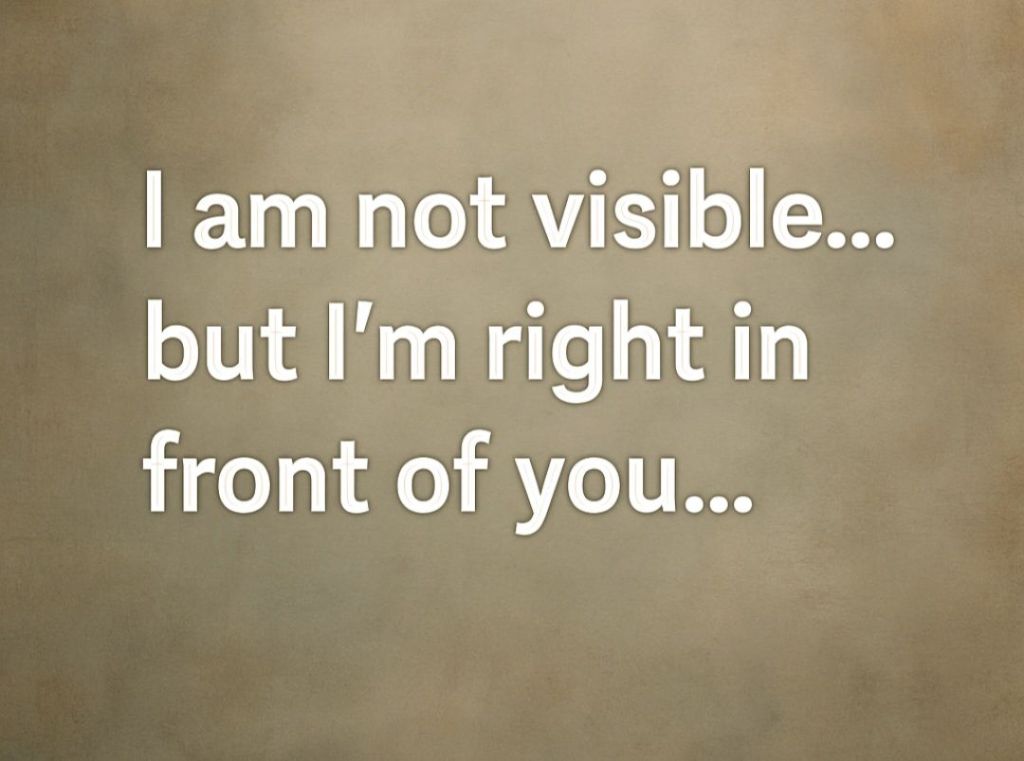
“मी दिसत नाही….पण तुझ्यासमोरच आहे….!”
“तुम्हाला कोणी पाहू शकत नसेल, तर तुम्ही स्वतःचं वर्णन कसं कराल?”
🌿
दृश्यांच्या जगात आपण स्वतःला आरशात पाहतो, फोटोमध्ये ओळखतो, इतरांच्या नजरेतून समजतो.
पण जर कोणी आपल्याला पाहूच शकत नसेल, तर आपण कोण?
आपली ओळख फक्त चेहऱ्यावर नाही – ती आपल्या विचारांमध्ये, वागणुकीत, आवाजात आणि संवेदनांमध्ये असते.
ही ओळख सांगताना आपण आरसा नव्हे तर मन उभं करत असतो.
या लेखात आपण पाहण्या-पाहिल्या जाण्याच्या पलिकडची ओळख शोधूया.
काय सांगाल तुम्ही स्वतःबद्दल, जेव्हा समोरचा डोळ्यांनी पाहू शकत नाही?
ही एक विचारप्रवृत्त करणारी आणि स्वतःला नव्याने समजून घेणारी प्रक्रिया आहे.
🔸
आपण स्वतःला कसे मांडतो, हे आपल्या सौंदर्याचा खरा आरसा असतो.
दृष्टी नसलेल्या व्यक्तीसमोर आपण स्वतःला उभं करताना — आपली खरी मूल्यं, विचार, भावना आणि कृती यांच्या आधारेच आपली खरी ओळख घडते.
हीच खरी "बिनदृष्टीची समजूतदार नजर" आहे.
1️⃣ आवाजामधून उलगडणारी ओळख
आपण कसे बोलतो, हेच कधी कधी आपल्याबद्दल खूप काही सांगून जातं.
आवाजातील शांतता, उत्साह, आत्मविश्वास किंवा दडपण – हे सगळं समोरच्याला आपली मानसिक अवस्था सांगतं.
जेव्हा आपल्याला पाहणं शक्य नसतं, तेव्हा “आपण कोण आहोत?” याचं उत्तर आवाजातूनच मिळतं.
स्वतःबद्दल बोलताना आपण शब्दांची निवड कशी करतो हेही आपली सखोल ओळख सांगतं.
2️⃣ विचार आणि मूल्यं — खरी ओळख
कोणत्याही चेहऱ्यापेक्षा, आपली मूल्यं आणि विचारसरणी आपली खरी ओळख सांगतात.
“मला प्रामाणिकपणा आवडतो”, “मी सहानुभूतीने वागतो”, “माझ्यासाठी आदर महत्त्वाचा आहे” — हे विधान आपल्याला अधिक स्पष्ट ओळखून देतात.
समोरचा माणूस आपली मूल्यं ऐकतो आणि त्यातून आपली मूळ प्रेरणा समजू शकतो.
3️⃣ स्पर्श आणि कृतीतील आत्मीयता
आपण जर कोणा अंध व्यक्तीशी संवाद साधत असू, तर हात मिळवण्याच्या पद्धतीतून, बसण्याच्या सौम्यतेतून, सहकार्याच्या तयारीतून आपली संवेदनशीलता व्यक्त होते.
आपल्या कृतीच आपली मनोवृत्ती दर्शवतात.
नजरेचा अभाव असला तरी स्पर्श, हालचाल, आवाजातील टोन यातून माणूस आपली ‘हजेरी’ जाणवतो.
4️⃣ स्मरणीय अनुभवांद्वारे स्वतःची मांडणी
आपल्या जीवनातले काही अनुभव, प्रसंग किंवा बदल आपली ओळख ठरवतात.
उदाहरणार्थ – “मी एका वेळेस पूर्ण अंधारातून गेलोय, पण आशा सोडली नाही.”
किंवा – “माझ्या शिक्षकाने मला आयुष्य घडवायला शिकवलं, म्हणून मी इतरांना शिकवतो.”
हे सांगणं म्हणजे स्वतःची कथा उलगडणं – जे खूप प्रभावी ठरतं.
5️⃣ भावनिक जाणीव – एक अमूल्य ओळख
कोणत्याही व्यक्तीची भावनिक जाण हे त्याचं खूप ताकदवान अंग असतं.
“मी इतरांच्या वेदना समजून घेऊ शकतो”, “माझा स्वभाव शांत आणि समजूतदार आहे” – अशी स्वतःची ओळख मांडणं मनाच्या गाभ्याशी पोहोचतं.
ही ओळख केवळ ‘दिसणं’ नव्हे, तर ‘जाणवणं’ असते.
6️⃣ माझी ओळख — एक पूर्ण व्यक्तिमत्त्व
जर कोणी मला पाहू शकत नसेल, तर मी स्वतःला अशा प्रकारे सांगेन:
“माझा आवाज शांत पण स्पष्ट आहे. मला ऐकून घ्यायला आवडतं आणि मी सहृदयतेनं बोलतो.
माझी मूल्यं – प्रामाणिकपणा, समतेचा आदर आणि सहवेदना – माझ्या प्रत्येक कृतीतून जाणवतात.
मी अनुभवांनी शिकलेला आहे आणि प्रत्येक अनुभवाने मला खोल अर्थ दिलाय.
मी कधीकधी गोंधळतो, पण सत्य शोधण्याची धडपड थांबत नाही.
माझी ओळख चेहऱ्याच्या पलिकडे आहे — ती माझ्या वर्तनात, शब्दात, आणि मनात आहे.”
:-Mukund Madhukar Hingne.
 avatibhavati.com
यावर आपले मत नोंदवा