Better to trust the man who is frequently in error than the one who is never in doubt.
✍️
Trust is a fundamental human need. But deciding whom to place that trust in is often difficult. A person who makes mistakes may sometimes seem less trustworthy. However, someone who appears flawless and never questions anything can actually be more dangerous—because such a person may refuse to accept reality. On the other hand, someone who learns through their mistakes is usually closer to the truth. That’s why this statement deserves thoughtful reflection: “It is better to trust the man who is frequently in error than the one who is never in doubt.” This line, when seen through the lens of experience, teaches us a great deal.
1️⃣ To Err is Human Nature
Every human makes mistakes — it’s a sign of being human. Making mistakes is not a sign of weakness, but a part of the learning process. A person who errs learns from those errors. This makes them more understanding and sensitive. Trusting such a person is often safer because they have tested themselves in the fire of experience.
2️⃣ The One Who Never Questions – A Closed Mind
A person who never questions may initially appear firm and confident. But often, that firmness stems from ignorance or ego. Questioning reflects curiosity and self-examination. Hence, a person who never questions their own decisions never truly evaluates them — and therefore distances themselves from growth and change.
3️⃣ Trust is Built Through Transparency
A person who makes mistakes acknowledges their shortcomings and strives to improve. This reveals their transparency and honesty. Such people do not hide their mistakes — instead, they accept them and move forward. That’s why trusting them often proves more meaningful and reliable.
4️⃣ Decision-Making and Self-Reflection
Questioning is not a form of negativity; it’s a thoughtful step before making a decision. A person who never questions operates on blind confidence. They fail to consider all aspects of a situation. As a result, they might stubbornly stick to the wrong path and end up troubling not only themselves but others as well.
5️⃣ Mistakes – Steps Toward Progress
If we look at history, great inventors, thinkers, writers, and scientists have all reached success by climbing the ladder of failures. They accepted their mistakes, learned from them, and made progress. So, making mistakes doesn’t mean defeat — it’s actually a step forward toward growth and achievement.
6️⃣ The Journey of Becoming a Better Human
To question and to accept one’s mistakes — these are signs of a thinking and evolving mind. A person who makes mistakes and reflects upon them is someone who truly thinks, learns, and grows. Therefore, we should place our trust in such individuals — because they speak from experience, accept reality, and learn through their errors.
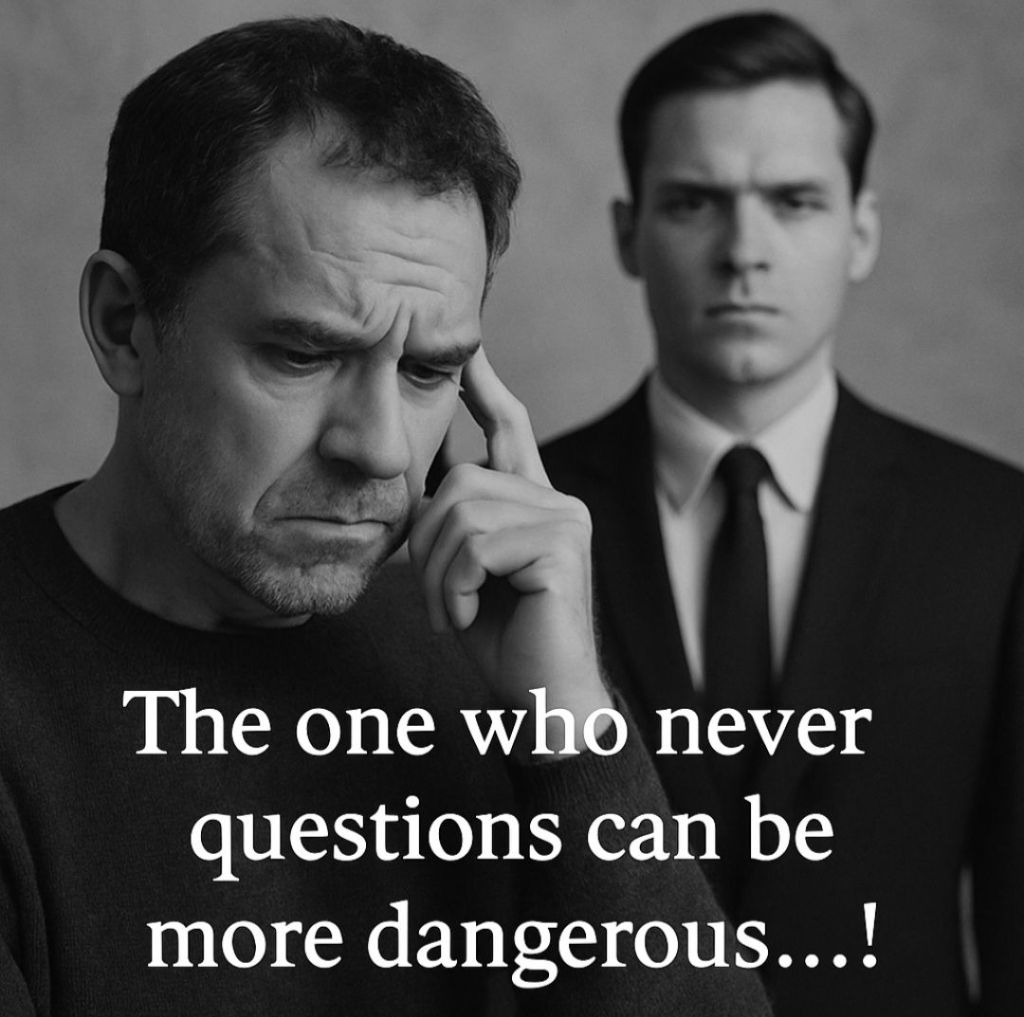
“शंका उपस्थित न करणारा अधिक धोकादायक ठरू शकतो…!”
जो माणूस वारंवार चुका करतो, त्याच्यावर विश्वास ठेवणं केव्हाही चांगलं — त्या माणसापेक्षा जो कधीच शंका घेत नाही.
✍️
विश्वास ठेवणे ही माणसाची मूलभूत गरज आहे. पण हा विश्वास कोणावर ठेवायचा, हे ठरवणं अनेकदा कठीण जातं. चुका करणारा माणूस कधी कधी आपल्याला कमी विश्वासार्ह वाटतो. मात्र सतत बिनचूक भासणारा, शंका कधीच न घेणारा व्यक्ती अधिक धोकादायक ठरू शकतो. कारण तो वास्तव न स्वीकारणारा असू शकतो. उलट, चुकून शहाणा झालेला व्यक्ती सत्याच्या अधिक जवळ असतो. म्हणूनच या वाक्याचा अर्थ विचारपूर्वक समजून घेण्याची गरज आहे. “जो माणूस वारंवार चुका करतो, त्याच्यावर विश्वास ठेवणं केव्हाही चांगलं — त्या माणसापेक्षा जो कधीच शंका घेत नाही.” हे वाक्य अनुभवाच्या प्रकाशात खूप काही शिकवून जातं.
1️⃣ चुकामूक ही मानवी स्वाभाविकता
प्रत्येक माणूस चुका करतो — हेच त्याचे माणूस असण्याचे लक्षण आहे. चुका करणे ही दुबळेपणाची खूण नसून, शिकण्याची प्रक्रिया आहे. जो माणूस चुका करतो, तो त्या चुकांमधून शिकतो. त्यामुळे तो अधिक समजूतदार आणि संवेदनशील बनतो. अशा व्यक्तीवर विश्वास ठेवणे अधिक सुरक्षित असते, कारण त्याने अनुभवाच्या आगीतून स्वतःला तपासलेलं असतं.
2️⃣ शंका न घेणारा – एक बंद मन
जो माणूस कधीच शंका घेत नाही, तो आपल्याला सुरुवातीला ठाम आणि आत्मविश्वासू वाटतो. पण ही ठामपणा अनेकदा अज्ञानातून किंवा अहंकारातून येतो. शंका घेणं म्हणजेच जिज्ञासू असणं आणि आत्मपरीक्षण करणं. त्यामुळेच शंका न घेणारा माणूस स्वतःच्या निर्णयांवर प्रश्नचिन्हच लावत नाही, आणि म्हणून तो बदलापासून दूर राहतो.
3️⃣ विश्वास हा पारदर्शकतेतून निर्माण होतो
चुकणारा माणूस स्वतःच्या उणिवा मान्य करतो, त्यातून सुधारण्याचा प्रयत्न करतो. यामुळे त्याची पारदर्शकता आणि प्रामाणिकपणा दिसून येतो. अशी माणसं आपल्या चुका लपवत नाहीत, उलट त्या स्वीकारून पुढे जातात. म्हणूनच त्यांच्यावर विश्वास ठेवणं अधिक योग्य ठरतं.
4️⃣ निर्णयक्षमता आणि आत्मपरिक्षण
शंका घेणं म्हणजे नकारात्मकता नव्हे, तर निर्णय घेण्यापूर्वीचा विचाराचा टप्पा आहे. जो माणूस कधीच शंका घेत नाही, त्याचा आत्मविश्वास आंधळा असतो. तो परिस्थितीचे सर्व पैलू पाहत नाही. यामुळे कधीकधी तो चुकीच्या मार्गावरही ठाम राहतो, आणि स्वतःसह इतरांनाही अडचणीत आणतो.
5️⃣ चुका – प्रगतीचे टप्पे
इतिहास पाहिला, तर महान संशोधक, विचारवंत, लेखक, वैज्ञानिक यांनी अपयशाच्या अनेक पायऱ्या चढूनच यश मिळवलं आहे. त्यांनी त्यांच्या चुका मान्य केल्या, त्यातून धडे घेतले आणि प्रगती साधली. त्यामुळे चुकणं म्हणजे पराभव नव्हे, तर ते प्रगतीकडे जाणारं पाऊल आहे.
6️⃣ माणूस म्हणून घडत जाणं
शंका घेणं आणि चुका मान्य करणं – ही माणसाच्या विचारक्षमतेची लक्षणं आहेत. त्यामुळे जो माणूस चुका करतो, शंका घेतो, तो खरा विचार करणारा, शिकणारा आणि घडणारा माणूस असतो. म्हणूनच, अशा व्यक्तीवर विश्वास ठेवावा — कारण तो अनुभवातून बोलतो, वास्तव स्वीकारतो, आणि चुकून शिकतो.

:-Mukund Madhukar Hingne.
 avatibhavati.com
यावर आपले मत नोंदवा