- 🇮🇳
15th August is not merely a date on the calendar for the people of India, but a living reminder of countless sacrifices, struggles, and dreams.
The independence achieved in 1947 was not just political—it was also a mental and cultural renaissance.
Seventy-eight years later, we now stand in a new century where the nature of challenges has changed.
Swords have been replaced by technology, and the battlefield is now visible in the global competition of economy, science, and diplomacy.
While keeping the lessons of history alive, we must also lay the foundation for the future.
Preserving freedom is important, but enriching it is now our responsibility.
This day, therefore, is a confluence of remembrance, self-reflection, and a renewed pledge for the journey ahead.
1️⃣ The Historical Journey of Independence
The Indian freedom movement, which began in the latter half of the 19th century, was shaped through the sacrifices of many generations.
Through Mahatma Gandhi’s path of non-violence, Nehru’s vision of modernity, Subhas Chandra Bose’s call to arms, and the sacrifices of thousands of unnamed revolutionaries, we achieved independence on 15th August 1947.
This was not merely a change in political power—it was the rebirth of the self-respect of the Indian people.
2️⃣ Nation-Building After Independence
After gaining freedom, India drafted its Constitution on the principles of democracy, secularism, and equality.
The Green Revolution, Five-Year Plans, the spread of education, and advancements in science and technology became significant milestones in development.
However, poverty, illiteracy, and social inequality remained persistent challenges for many years.
3️⃣ A New Century, New Challenges
In the 21st century, India has emerged as a key player in the global economy.
Yet, climate change, cyber security, unemployment, and the rural–urban divide remain serious issues.
To leave its mark internationally, India needs more strategic, technological, and environmentally sustainable policies.
4️⃣ Technology and the Power of Youth
India’s greatest strength lies in its young population.
In fields like startup culture, artificial intelligence, space research, and digital services, the country is progressing rapidly.
However, alongside this progress, skill development, job opportunities, and ethical use of technology are the pressing needs of the hour.
5️⃣ The Need for Unity
To safeguard independence, economic or military strength alone is not enough—social unity and mutual trust are equally essential.
Beyond religion, language, and region, fostering a sense of national unity is the greatest message of patriotism today.
Constructive actions, rather than divisive ideologies, are the true formula for national progress.
6️⃣ The Resolve for a New India
15th August is not just a day for flag hoisting—it is a time to pledge for a new India.
Remembering the sacrifices of the past, recognising the responsibilities of the present, and charting the path for the future must guide our journey.
“Sabka Saath, Sabka Vikas, Sabka Vishwas” should not remain just a slogan—it should reflect in the actions of every Indian.
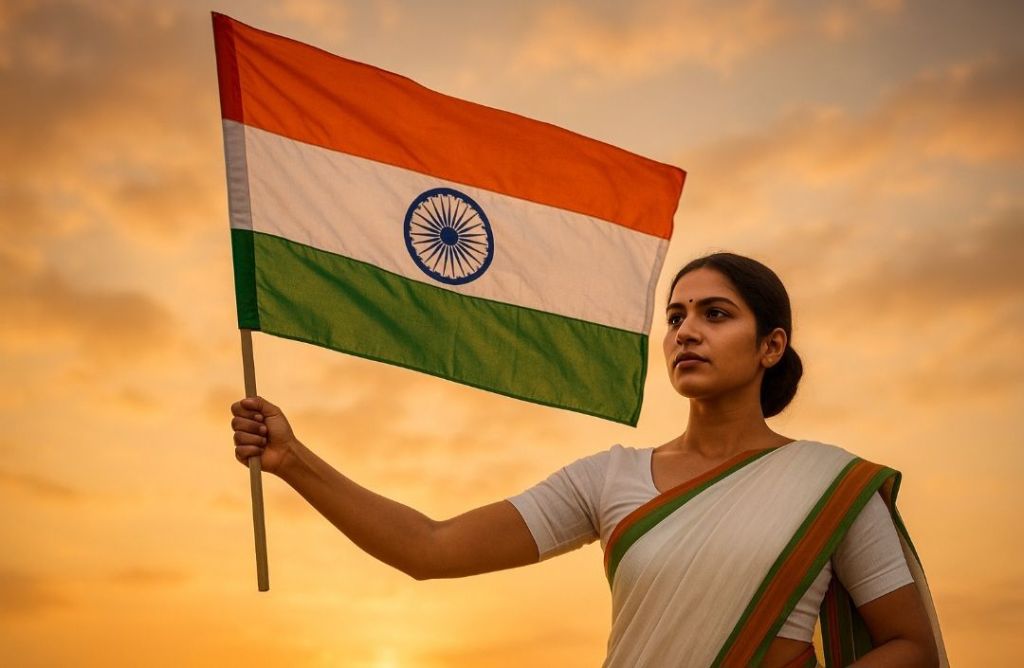
“भारतीय स्वातंत्र्याचे स्मरण आणि नव्या संकल्पाचा संगम : १५ ऑगस्ट…!”
- 🇮🇳
१५ ऑगस्ट हा दिवस भारतीय जनतेसाठी केवळ दिनदर्शिकेतील तारीख नाही, तर लाखो बलिदानांची, संघर्षांची आणि स्वप्नांची जिवंत आठवण आहे.
१९४७ मध्ये मिळालेलं स्वातंत्र्य केवळ राजकीय नव्हतं, तर एक मानसिक आणि सांस्कृतिक पुनर्जागरण होतं.
आज ७८ वर्षांनंतर आपण एका नव्या शतकात उभे आहोत, जिथे आव्हानांचं स्वरूप बदललं आहे.
तलवारींची जागा तंत्रज्ञानाने घेतली आहे, आणि युद्धभूमी आता जागतिक स्पर्धेच्या अर्थव्यवस्थेत, विज्ञानात आणि कूटनीतीत दिसते.
इतिहासाची जाणीव ठेवतच आपण भविष्याचा पाया घडवावा लागतो.
स्वातंत्र्य टिकवण्याइतकंच ते समृद्ध करण्याचं काम आता आपल्या हाती आहे.
हा दिवस म्हणूनच स्मरण, आत्मपरीक्षण आणि नव्या वाटचालीचा संकल्प यांचा संगम आहे.
1️⃣ स्वातंत्र्याचा ऐतिहासिक प्रवास
१९व्या शतकाच्या उत्तरार्धात सुरू झालेली भारतीय स्वातंत्र्य चळवळ अनेक पिढ्यांच्या त्यागातून साकार झाली.
महात्मा गांधींच्या अहिंसेच्या मार्गाने, नेहरूंच्या आधुनिकतेच्या दृष्टीकोनातून, सुभाषचंद्र बोस यांच्या रणसंकल्पातून, आणि हजारो अनामिक क्रांतिकारकांच्या बलिदानातून १५ ऑगस्ट १९४७ रोजी आपण स्वातंत्र्य मिळवलं.
ही केवळ राजसत्तेची अदलाबदल नव्हती, तर भारतीय जनतेच्या आत्मसन्मानाचा पुनर्जन्म होता.
2️⃣ स्वातंत्र्यानंतरचे राष्ट्रनिर्माण
स्वातंत्र्यानंतर भारताने लोकशाही, धर्मनिरपेक्षता आणि समानतेच्या तत्त्वांवर संविधानाची रचना केली.
हरितक्रांती, पंचवार्षिक योजना, शिक्षणाचा प्रसार आणि विज्ञान-तंत्रज्ञानातील प्रगती हे विकासाचे महत्त्वाचे टप्पे ठरले.
तथापि, गरीबी, निरक्षरता आणि सामाजिक विषमता ही आव्हाने दीर्घकाळ टिकून राहिली.
3️⃣ नवे शतक, नवी आव्हाने
२१व्या शतकात भारत जागतिक अर्थव्यवस्थेतील महत्त्वाचा खेळाडू बनला आहे.
तरीही, हवामान बदल, सायबर सुरक्षा, बेरोजगारी, आणि ग्रामीण-शहरी दरी ही गंभीर समस्या आहेत.
आंतरराष्ट्रीय पातळीवर भारताला स्वतःचा ठसा उमटवण्यासाठी अधिक रणनीतिक, तांत्रिक आणि पर्यावरणपूरक धोरणांची गरज आहे.
4️⃣ तंत्रज्ञान आणि युवकशक्ती
भारताची सर्वात मोठी ताकद म्हणजे त्याची युवा पिढी.
स्टार्टअप संस्कृती, कृत्रिम बुद्धिमत्ता, अंतराळ संशोधन आणि डिजिटल सेवा या क्षेत्रांत भारत झपाट्याने प्रगती करत आहे.
पण या प्रगतीसोबतच कौशल्यविकास, नोकरीची संधी आणि नैतिक तंत्रज्ञान वापर ही काळाची गरज आहे.
5️⃣ एकात्मतेची गरज
स्वातंत्र्य टिकवण्यासाठी केवळ आर्थिक किंवा लष्करी शक्ती पुरेशी नसते, तर सामाजिक एकात्मता आणि परस्पर विश्वास आवश्यक असतो.
धर्म, भाषा, प्रदेश या पलीकडे जात राष्ट्रीय एकात्मतेची भावना वाढवणे हा आजचा सर्वात मोठा देशभक्तीचा संदेश आहे.
फूट पाडणाऱ्या विचारांपेक्षा बांधणारी कृती हेच राष्ट्राच्या प्रगतीचं सूत्र आहे.
6️⃣ नव्या भारताचा संकल्प
१५ ऑगस्ट हा दिवस केवळ ध्वजारोहणाचा कार्यक्रम नाही, तर नव्या भारताचा संकल्प करण्याची वेळ आहे.
भूतकाळातील बलिदान स्मरून, वर्तमानातील जबाबदाऱ्या ओळखून आणि भविष्याची दिशा ठरवून आपण वाटचाल केली पाहिजे.
“सबका साथ, सबका विकास, सबका विश्वास” ही केवळ घोषणा न राहता ती प्रत्येक भारतीयाच्या कृतीत दिसली पाहिजे.
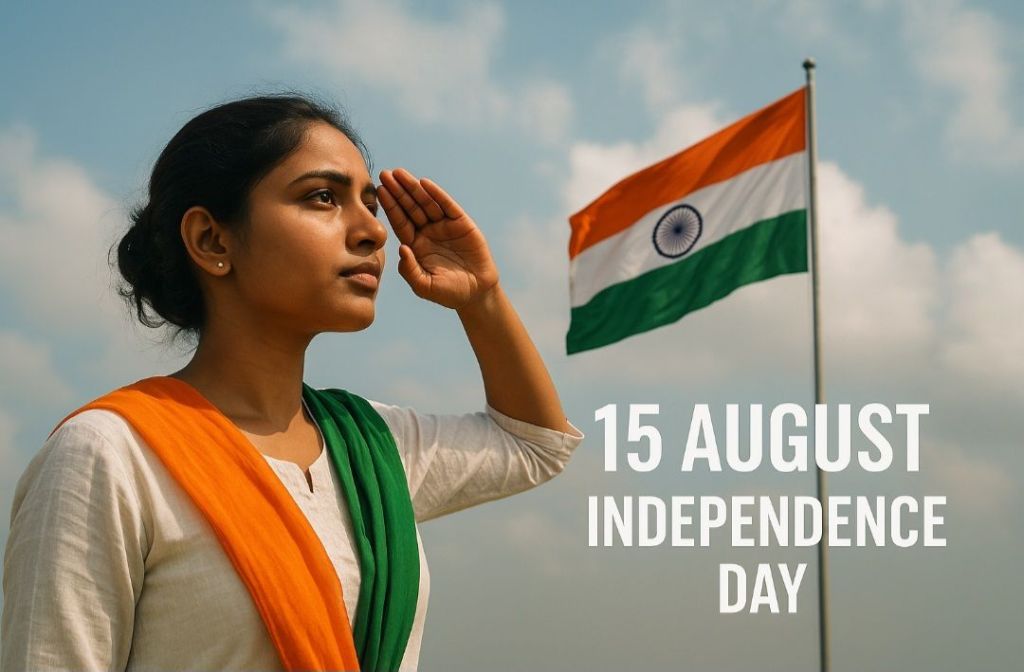
:-Mukund Madhukar Hingne.
 avatibhavati.com
यावर आपले मत नोंदवा