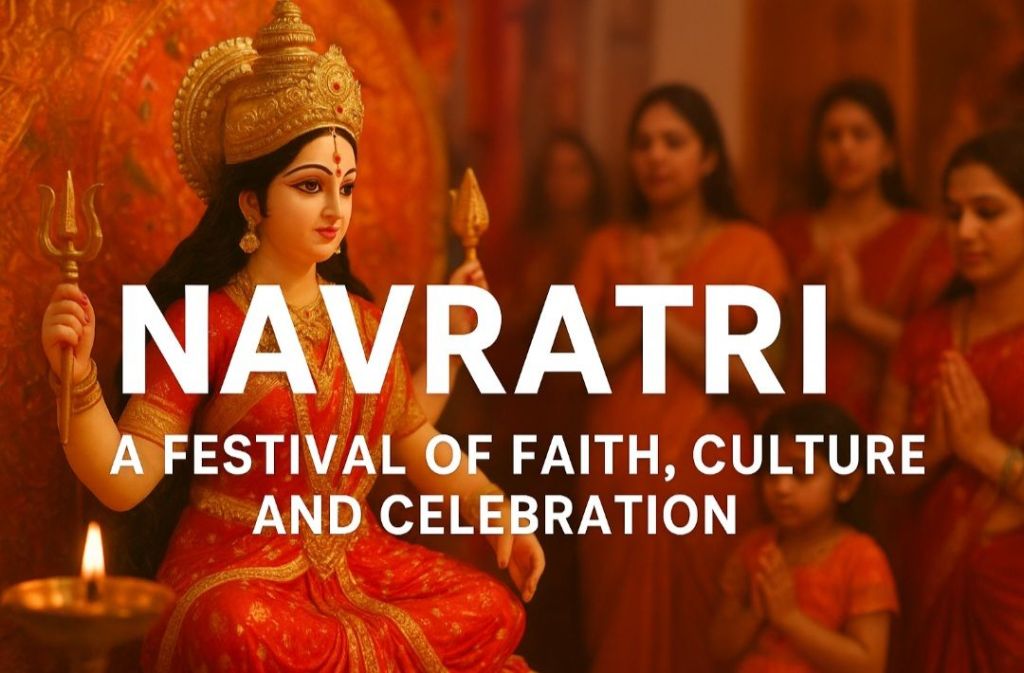
The festival of Navratri, dedicated to the Adi Shakti, is considered one of the most important occasions in Hindu spirituality. This year, the celebration begins on September 22.
- Navratri is one of the most important and popular festivals in Indian culture.
This festival is not only religious but also strengthens social, cultural, and family bonds.
Celebrated in the autumn season, it is filled with devotion, enthusiasm, and joy.
For nine days, devotees worship the various forms of Goddess Durga, praying for strength, wisdom, and virtue.
In every household, the sounds of idol installation, aarti, hymns, and prayers resonate.
Across towns and villages, dandiya, garba, community feasts, and collective worship create a festive atmosphere.
This festival is not merely a religious occasion but also a symbol of unity and inspiration in Indian tradition.
1. Origin of Navratri Festival
The tradition of Navratri has been observed since ancient times. The festival is celebrated in memory of Goddess Durga’s victory over the demon Mahishasura. Navratri literally means “nine nights,” during which the nine forms of the Goddess are worshipped. According to scriptures, worshipping the Goddess during this period helps remove obstacles from life.
2. The Nine Forms of the Goddess
During Navratri, the nine forms of the Goddess, from Shailaputri to Siddhidatri, are worshipped. Each form symbolizes a specific virtue in human life. Devotees, with deep faith, worship the Goddess to attain peace, prosperity, and strength.
3. Fasting and Rituals
Many people observe fasts during Navratri. Some undertake strict fasting without water for nine days, while others survive on fruits. In households, idols of the Goddess are installed, and daily rituals of morning and evening aarti, hymns, and chanting are performed. These practices strengthen devotion and faith.
4. Social and Cultural Significance
Navratri is not only a religious festival but also one that fosters social bonds. In towns and villages, decorated pavilions are set up, and collective aartis are performed. The youth actively participate in dandiya and garba events. Thus, the festival creates an atmosphere of unity, joy, and enthusiasm in society.
5. Celebrations in Rural and Urban Areas
In rural areas, fairs, community feasts, and processions dedicated to the Goddess are common, while in urban areas, grand pavilions and elaborate decorations are the highlights. Traditional rituals blend with modern cultural programs, making Navratri a festival that unites people from all walks of life.
6. Contemporary Relevance of Navratri
In today’s fast-paced life, Navratri serves as a festival that brings renewed energy. The devotion, rituals, and cultural activities provide inner peace. Increasingly, people are focusing on celebrating the festival in an eco-friendly way. Thus, Navratri is not only a festival that preserves tradition but also one that adapts meaningfully to the changing times.

“नवरात्रोत्सव : श्रद्धा, संस्कृती आणि उत्साहाचा उत्सव…!”
आदिशक्तीच्या नवरात्री उत्सवाचे पर्व म्हणजे हिंदू अध्यात्मिकतेमध्ये सर्वात महत्वाचे पर्व समजले जाते. २२ सप्टेंबर पासून या उत्सवाला प्रारंभ होत आहे.
- नवरात्र हा भारतीय संस्कृतीतील सर्वात महत्त्वाचा आणि लोकप्रिय सण आहे.
हा सण केवळ धार्मिकच नाही तर सामाजिक, सांस्कृतिक आणि कौटुंबिक बंध वाढवणारा आहे.
शरद ऋतूत येणारा हा सण भक्तिभाव, उत्साह आणि आनंदाने भरलेला असतो.
नऊ दिवस देवी दुर्गेच्या विविध रूपांची आराधना करून शक्ती, ज्ञान आणि सद्गुणांची प्रार्थना केली जाते.
घराघरांत देवीची स्थापना, आरती, भजने आणि उपासनेचा गजर ऐकू येतो.
गावोगावी दांडिया-गरबा, भंडारे आणि सामूहिक पूजा यामुळे वातावरण मंगलमय होतं.
हा सण केवळ धार्मिक सोहळा नसून भारतीय परंपरेच्या ऐक्याचा आणि स्फूर्तीचा प्रतीक आहे.
१. नवरात्रोत्सवाचा उगम
नवरात्रोत्सवाची परंपरा प्राचीन काळापासून चालत आलेली आहे. देवी दुर्गेने महिषासुरावर विजय मिळवला, त्याच्या स्मरणार्थ हा सण साजरा केला जातो. नवरात्र म्हणजे ‘नऊ रात्री’ आणि या रात्रींमध्ये देवीच्या नऊ स्वरूपांची उपासना केली जाते. धर्मग्रंथांनुसार या काळात शक्तीची उपासना केल्यास आयुष्यातील अडथळे दूर होतात.
२. देवीची नऊ रूपे
नवरात्रात शैलपुत्रीपासून सिद्धिदात्रीपर्यंत देवीच्या नऊ रूपांची पूजा केली जाते. प्रत्येक रूप हे मानवी जीवनातील एखाद्या सद्गुणाचं प्रतीक मानलं जातं. भक्तगण आपल्या श्रद्धेनुसार देवीची आराधना करून शांती, समृद्धी आणि शक्ती प्राप्त करण्याचा प्रयत्न करतात.
३. उपवास आणि पूजा विधी
नवरात्रात अनेकजण उपवास करतात. काही लोक नऊ दिवस निर्जळी उपासना करतात, तर काही फळाहार घेतात. घराघरांत देवीची स्थापना केली जाते आणि दररोज सकाळ-संध्याकाळ आरती, भजने व मंत्रोच्चार केले जातात. या विधींमुळे भक्तीभाव अधिक दृढ होतो.
४. सामाजिक आणि सांस्कृतिक महत्त्व
नवरात्र हा केवळ धार्मिकच नाही तर सामाजिक बंध वाढवणारा उत्सव आहे. गावोगावी मंडप सजवले जातात, सामूहिक आरत्या घेतल्या जातात. तरुणाई दांडिया आणि गरब्याच्या कार्यक्रमांत सहभागी होते. त्यामुळे या काळात समाजात एकता, आनंद आणि उत्साहाचे वातावरण निर्माण होते.
५. ग्रामीण आणि शहरी उत्सव
ग्रामीण भागात देवीचे जत्रा, भंडारे आणि पालख्या निघतात, तर शहरी भागात भव्य मंडप आणि सजावट केली जाते. पारंपरिक पद्धतीने होणारे कार्यक्रम आणि आधुनिक सांस्कृतिक उपक्रम एकत्र पाहायला मिळतात. त्यामुळे नवरात्र हा सर्व स्तरांतील लोकांना एकत्र आणणारा सण ठरतो.
६. नवरात्राचे आधुनिक महत्त्व
आजच्या धकाधकीच्या जीवनात नवरात्रोत्सव हे नवचैतन्य देणारे पर्व आहे. श्रद्धा, भक्ती आणि सांस्कृतिक उपक्रमांमुळे मन:शांती लाभते. पर्यावरणपूरक सण साजरा करण्याकडे आता अधिक लक्ष दिले जाते. त्यामुळे नवरात्र हा उत्सव केवळ परंपरा जपणारा नाही तर बदलत्या काळाशी सुसंगत राहणारा आहे.
:-Mukund Madhukar Hingne.
 avatibhavati.com
यावर आपले मत नोंदवा