What aspects of your cultural heritage are you most proud of or interested in?
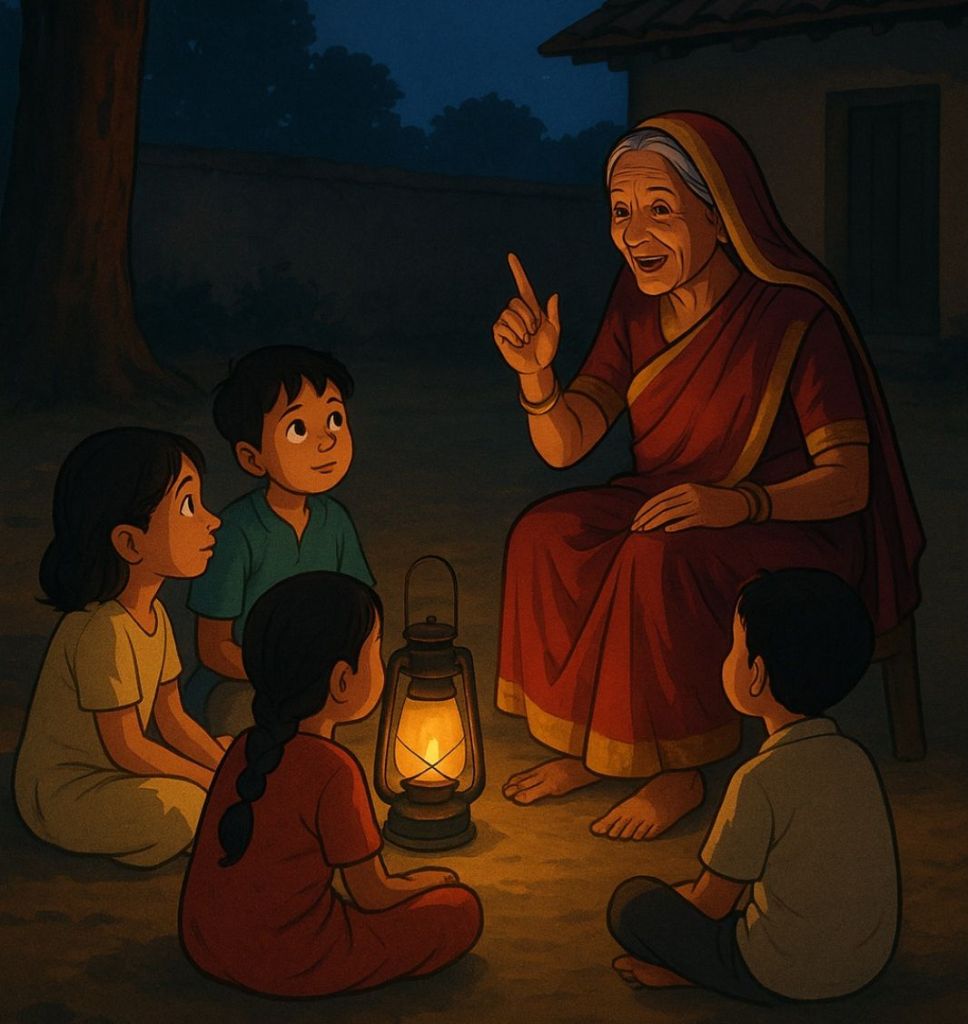
- The history of mankind is not based only on what was written in scripts.
Even before scripts and written language existed, humans preserved their memories.
Those memories took shape as folktales, folk songs, and folk arts.
This tradition, carried forward through generations, is the soul of our cultural heritage.
Values, morals, and faith have remained intact through this very tradition.
It is what keeps humans connected to their roots and preserves their identity.
That is why this aspect of our heritage is truly a matter of pride.
1. Heritage of the Pre-Script Era
Even when there was no script and language was not so advanced, humans preserved their experiences and knowledge. The primary medium of this preservation was the oral tradition. Stories, songs, proverbs, and folk arts passed down through generations were part of it. This ensured that history did not perish but continued to move forward.
2. The Strength of Folklore
Folktales, folk songs, and proverbs were not merely for entertainment; they also served as tools of education. They shaped the moral values of society, sowed the seeds of culture, and instilled courage during difficult times. This very strength has kept our cultural heritage alive across generations.
3. Legacy of Folk Arts
Folk arts such as painting, dance, music, and costumes reflected the thoughts and beliefs of society. During festivals and celebrations, folk arts conveyed stories, spread religious messages, and strengthened the sense of unity. This legacy was not just artistic but also an integral part of social and spiritual life.
4. The Stream of Values
Even without written records, the values carried forward through tradition continued to survive. Respecting elders, living in harmony with nature, and valuing social unity—all these ideals came from that very stream. These values remain an inseparable part of our daily lives even today.
5. Preservation of Religion and Tradition
Teachings of religion and the rules of tradition were orally passed down through generations. Narratives, devotional songs, and mythological stories carried religion to the people. This safeguarded religious identity and built a strong social structure. Compared to written words, this oral tradition proved more impactful.
6. Relevance in the Present Era
Even in today’s digital age, we cannot forget this heritage. Folklore and folk art are our roots, connecting us with the past. This proud legacy not only gives us our identity but also instills confidence to move into the future. That is why preserving it is our responsibility.
“परंपरा हा आपल्या सांस्कृतिक वारशाचा आत्मा आहे….!”
तुमच्या सांस्कृतिक वारशातील कोणत्या पैलूंबद्दल तुम्हाला सर्वात अभिमान आहे किंवा सर्वात जास्त रस आहे?
- मानवजातीचा इतिहास केवळ लिपीत लिहिलेल्या गोष्टींवर आधारलेला नाही.
लिपी आणि लिखित भाषा अस्तित्वात येण्याच्या आधीपासूनच माणूस आपल्या आठवणी जतन करत होता.
त्या आठवणींचं रुपांतर लोककथा, लोकगीते आणि लोककलेत झालं.
पिढ्यान् पिढ्या चालत आलेली ही परंपरा हा आपल्या सांस्कृतिक वारशाचा आत्मा आहे.
संस्कार, मूल्यं आणि धर्म या परंपरेतूनच अबाधित राहिले.
हेच माणसाला मूळाशी जोडून ठेवतं आणि त्याची ओळख टिकवतं.
म्हणूनच आपल्या वारशाचा हा पैलू अभिमानास्पद ठरतो.
१. लिपीपूर्व काळातील वारसा
जेव्हा लिपी नव्हती, भाषा इतकी प्रगत नव्हती, त्या काळातही मानवाने आपले अनुभव आणि ज्ञान जतन केले. हे जतन करण्याचे प्रमुख साधन म्हणजे मुखोद्गत परंपरा. पिढ्यान् पिढ्या सांगितल्या गेलेल्या कथा, गाणी, म्हणी आणि लोककला हा त्याचा भाग होते. यामुळे इतिहास नष्ट न होता सतत पुढे सरकत राहिला.
२. लोकसाहित्याची ताकद
लोककथा, लोकगीते आणि म्हणी या केवळ मनोरंजनासाठी नव्हत्या, तर त्या शिक्षणाचे साधनही होत्या. समाजाच्या नैतिक मूल्यांना आकार देणे, संस्कारांचे बीज पेरणे आणि संकटाच्या काळात धैर्य देणे हे काम लोकसाहित्य करत असे. हीच ताकद आपल्या सांस्कृतिक वारशाला पिढ्यान् पिढ्या जिवंत ठेवत आली.
३. लोककलांचा वारसा
चित्रकला, नृत्य, वाद्य, वेशभूषा यांसारख्या लोककलांनी समाजाचे विचार आणि श्रद्धा प्रतिबिंबित केल्या. सण-उत्सवात लोककलांद्वारे कथा सांगितल्या गेल्या, धार्मिक संदेश पोहोचवले गेले आणि एकतेची भावना दृढ केली गेली. हा वारसा केवळ कलात्मक नव्हता, तर तो सामाजिक आणि आध्यात्मिक जीवनाचाही महत्त्वाचा भाग होता.
४. संस्कारांचा प्रवाह
लिखित नोंदी नसतानाही, परंपरेतून आलेले संस्कार सतत टिकून राहिले. “मोठ्यांचा मान राखणे,” “निसर्गाशी एकरूप राहणे,” आणि “समाजातील एकोप्याला महत्त्व देणे” ही मूल्ये याच प्रवाहातून आली. हे संस्कार आजही आपल्या दैनंदिन जीवनाचा अविभाज्य भाग आहेत.
५. धर्म आणि परंपरेचे रक्षण
धर्माची शिकवण आणि परंपरेचे नियम पिढ्यान् पिढ्या तोंडी सांगितले गेले. कथा-कीर्तन, भजन, पुराणकथा या मार्गाने धर्म लोकांपर्यंत पोहोचला. त्यामुळे धार्मिक ओळख टिकली, आणि एक मजबूत सामाजिक रचना निर्माण झाली. लिखित शब्दांपेक्षा ही परंपरा अधिक प्रभावी ठरली.
६. आजच्या काळातील महत्त्व
आजच्या डिजिटल युगातही आपण या वारशाला विसरू शकत नाही. लोकसाहित्य आणि लोककला आपली मुळे आहेत, जी आपल्याला भूतकाळाशी जोडतात. अभिमानास्पद असा हा वारसा आपल्याला केवळ आपली ओळख देत नाही, तर भविष्याकडे जाण्याचा आत्मविश्वासही देतो. म्हणूनच तो जपणे आपली जबाबदारी आहे.
:-Mukund Madhukar Hingne.
 avatibhavati.com
यावर आपले मत नोंदवा