The Iran–Israel conflict is both religious and strategic/power-driven—but the most significant factor behind it is geopolitical dominance.
In short—
although religion appears to be the cause, the real focal point is the balance of power.
On one hand, the Jewish identity of Israel is often projected as a central issue of religious hostility in the Muslim world. But is there true unity among the 52 countries identified as the Islamic world? The deep-rooted Shia–Sunni divide has frequently erupted into violent conflict among them.
Therefore, just as Iran’s religious hostility toward Israel is a surface-level reason, the same can be said of Israel’s stance toward Iran. Even the role of the United States—stepping forward in support of Israel under the serious concern of nuclear threats—appears somewhat dual-faced in this context.
Let us look at this a little more deeply:
⭕ Background of Religious Conflict:
Iran considers itself the protector of the Islamic world (especially Shia Islam), while Israel is known as a Jewish nation.
🌟 Iran opposes even the very existence of Israel
🌟 Israel perceives an existential threat from Iran
This gives the conflict a religious color.
However, this color is often more useful for gaining emotional support.
⭕ The Game of Power Balance:
The real question in the Middle East is: Who is the dominant power?
Iran seeks to expand its influence in the region
Israel aims to maintain its security and dominance
Iran supports groups like Hezbollah (Lebanon), Hamas (Gaza), and the Houthis (Yemen),
while Israel responds accordingly.
This entire dynamic reflects indirect dominance rather than direct warfare.
⭕ Economic and Strategic Dimensions:
The Middle East is not just about religion—it is the world’s energy hub.
Oil reserves
Maritime trade routes (Strait of Hormuz)
Energy supply
Iran wants to maintain influence over these routes,
while Israel and its allies aim to keep them secure.
Thus, this conflict is directly linked to economic interests.
⭕ Global Politics:
This conflict is not limited to just two nations:
The United States supports Israel
Russia and, to some extent, China lean toward Iran
Thus, it takes the shape of a proxy war.
In this context, the role of Pakistan—despite identifying itself as an Islamic nation—appears complex and somewhat ambiguous. Due to Shia–Sunni tensions, it harbors a subtle opposition to Iran, while also seeking closer ties with the United States. At the same time, it depends on Iran for oil supplies.
India, recognized as one of the largest markets, has adopted a mediating role in this conflict. Countries involved—such as Iran, Israel, the United States, and others in the Middle East—may now need to view India’s position from a more constructive and positive perspective.
⭕ The Question of Existence:
For both nations, this is a matter of identity and survival:
⭐ Israel: “Will we survive?”
⭐ Iran: “Will we remain influential?”
Therefore, decisions are not always driven by logic, but by fear and insecurity.
⭕ Religion or Power?
A clear answer to this question:
👉 Religion is the face of the conflict
👉 But power balance, security, and economic interests are the real driving forces behind it.
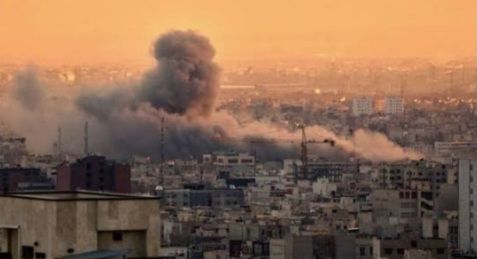
“युद्धं धर्माच्या नावाने पेटवली जातात, पण त्यांची राख नेहमीच सत्तेच्या गणितात उरते…!”
इराण–इस्रायल संघर्ष हा धार्मिकही आहे आणि व्यावसायिक/सत्तात्मकही—पण त्यामागे सर्वात मोठा घटक आहे भूराजकीय (geopolitical) वर्चस्व.
थोडक्यात सांगायचं तर —
धर्म हे कारण दिसत असले तरी पण सत्तासंतुलन हा खरा केंद्रबिंदू आहे. एकीकडे इस्रायलचे ज्यू (यहुदी) हा मुस्लिमांच्या धार्मिक द्वेषाचा कळीचा मुद्दा असला तरी इस्लामी जग म्हणून ओळखल्या जाणाऱ्या ५२ देशांमध्ये कुठे एकी आहे ? शिया आणि सुन्नी हा रक्तपाताचा आगडोंब त्यांच्यात नेहमीच उसळत असतो. त्यामुळेच इस्रायल विषयीचा इराणचा धार्मिक द्वेष हे जसे वरवरचे कारण आहे अगदी तसेच कारण इस्रायलचे देखील इराण विषयी आहे. अण्वस्त्राचा गंभीर मुद्दा पुढे करत इस्रायलच्या मदतीला सरसावलेल्या अमेरिकेची भूमिका देखील यामुळेच दुटप्पी वाटते. चला हे थोडं खोलात पाहूया:
⭕ धार्मिक संघर्षाची पार्श्वभूमी :-
इराण स्वतःला इस्लामिक (विशेषतः शिया) जगाचा संरक्षक मानतो, तर इस्रायल हे ज्यू राष्ट्र म्हणून ओळखले जाते.
🌟इराण इस्रायलच्या अस्तित्वालाच विरोध करतो
🌟इस्रायलला इराणकडून अस्तित्वाचा धोका वाटतो
यामुळे संघर्षाला धार्मिक रंग मिळतो.
पण हा रंग “भावनिक समर्थन मिळवण्यासाठी” अधिक उपयोगी ठरतो.
⭕ सत्ता संतुलनाचा खेळ :-
मध्य पूर्वेत “कोण प्रमुख शक्ती?” हा खरा प्रश्न आहे.
इराणला या प्रदेशात आपला प्रभाव वाढवायचा आहे
इस्रायलला आपली सुरक्षा आणि वर्चस्व टिकवायचं आहे
इराण हिजबुल्ला (लेबनॉन), हमास (गाझा), हूथी (येमेन) यांसारख्या गटांना पाठिंबा देतो
तर इस्रायल त्याला प्रत्युत्तर देतो.
हा पूर्ण खेळ म्हणजे “प्रत्यक्ष युद्धापेक्षा अप्रत्यक्ष वर्चस्व”.
⭕ व्यावसायिक आणि आर्थिक पैलू :-
मध्य पूर्व म्हणजे फक्त धर्म नाही—तो जगाचा ऊर्जा केंद्र आहे.
तेलसाठे
समुद्री व्यापार मार्ग (Strait of Hormuz)
ऊर्जा पुरवठा
इराण या मार्गांवर प्रभाव ठेवू इच्छितो
तर इस्रायल आणि त्याचे सहयोगी हे मार्ग सुरक्षित ठेवू पाहतात
म्हणून हा संघर्ष आर्थिक हितसंबंधांशी थेट जोडलेला आहे.
⭕ जागतिक राजकारण :-
हा संघर्ष फक्त दोन देशांपुरता मर्यादित नाही:
अमेरिका इस्रायलच्या बाजूने
रशिया आणि काही प्रमाणात चीन इराणकडे झुकलेले
म्हणजेच हा संघर्ष “proxy war” (प्रतिनिधी युद्ध) बनतो. यामध्ये स्वतःला इस्लामी राष्ट्र म्हणून घोषित करणाऱ्या पाकिस्तानची भूमिका संशयास्पद अशीच आहे. शिया-सुन्नी वादातून त्यांचा इराणला छुपा विरोध आहेच शिवाय अमेरिकेशी जवळीकता वाढविण्यासाठी इराणशी जोडले जावू इच्छित नाहीत. पण इराणकडून त्यांना तेल पुरवठा देखील हवा आहे. सर्वात मोठी बाजारपेठ म्हणून ओळखल्या जाणाऱ्या भारताने मात्र या संघर्षात मध्यस्थीची भूमिका स्वीकारली आहे. संघर्षात अडकलेल्या इराण, इस्रायल, अमेरिकेसह मध्य पूर्वेतील देशांना आता भारताच्या भूमिकेचा सकारात्मक दृष्टीने विचार करावा लागणार आहे.
⭕ अस्तित्वाचा प्रश्न :-
दोन्ही देशांसाठी हा “अस्मितेचा” प्रश्न आहे:
⭐इस्रायल: “आपण टिकणार का?”
⭐इराण: “आपण प्रभावी राहणार का?”
म्हणून निर्णय नेहमी तर्काने होत नाहीत—तर भीती आणि असुरक्षिततेतून होतात. ⭕धर्म की व्यवसाय?
या प्रश्नाचं स्पष्ट उत्तर:
👉 धर्म हा संघर्षाचा चेहरा आहे
👉 पण सत्तासंतुलन, सुरक्षा आणि आर्थिक हितसंबंध हे त्यामागची खरी कारणे आहेत.
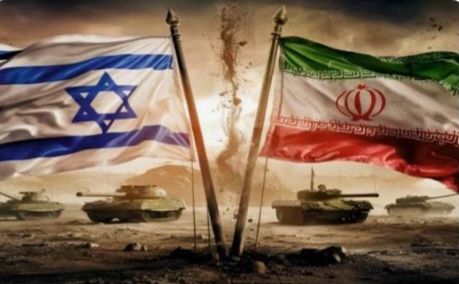
:-Mukund Madhukar Hingne.
 avatibhavati.com
यावर आपले मत नोंदवा