“सत्य एका पायावर उभे रहात असले तरी त्याला दोन पाय असतात…!”
The German philosopher Friedrich Nietzsche presented a profound thought about truth. Whether you believe in the existence of God or, like Nietzsche, deny God’s existence, people from both perspectives deeply resonate with Nietzsche’s idea about truth. Nietzsche says, “It is often good to express something twice at the outset, giving it a right leg and a left leg. Truth can certainly stand on one leg, but with two legs, it can walk and move forward.”
- A coin has two sides, just as truth also has two sides. This idea resonates with us because we accept what happens before our eyes as the truth. But can we be certain that what we see is the true beginning? We can’t say for sure. Perhaps something has already happened beyond our view, but since we haven’t seen it, we don’t believe it.
- Moreover, we can’t be sure if what happened beyond our sight was the beginning of the event or just the middle of it. This means accepting truth only from one side would be like accepting a half-truth. Once we acknowledge that truth has another side, we prepare ourselves to consider the other perspective and accept the complete truth. Even a mountain that seems to touch the sky looks a certain way from a distance, but as we approach it, the shape of the mountain changes.
- The theory of optical illusion applies not only to still objects but also to truth. Because truth is constant and eternal, while falsehood is temporary and short-lived. So how should we perceive truth? Should we accept only the illusion as truth? The only satisfactory answer is that we should accept as truth only that which passes the test of logic and our experiences with great patience.
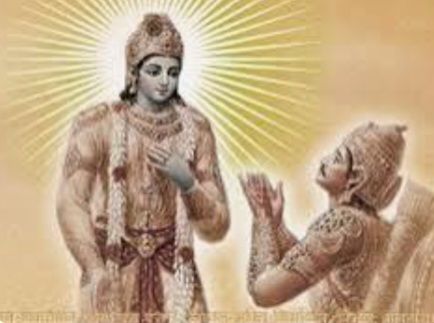
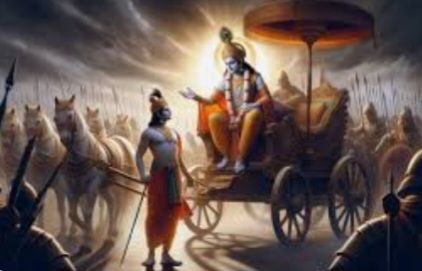
- This is also what the Hindu scripture, the Gita, teaches. What I see is my truth, what you see is your truth, so what is the ultimate complete truth? When your truth and my truth are combined, whatever remains after passing the test of logic is the ultimate complete truth. This ultimate complete truth is called “Dharma.” Lord Krishna, without lifting a weapon, orchestrated the Mahabharata, not just to cause a war but to reveal the ultimate truth. This same concept is presented in a different but compelling way by Friedrich Nietzsche, who does not accept “Dharma” as the ultimate truth, but still seeks the complete truth.
जर्मन तत्त्ववेत्ता फ्रेडरिक नित्शे याने सत्याबाबत एक प्रभावशाली विचार मांडला आहे. तुम्ही ईश्वराचे अस्तित्व मान्य करणारे असाल किंवा फ्रेडरिक नित्शे सारखे तुम्ही ईश्वराचे अस्तित्व अमान्य करणारे असाल, दोन्ही विचारधारेतील लोकांना नित्शे याने सत्याबाबत मांडलेला हा विचार मनापासून पटतो. नित्शे म्हणतो की, “एखादी गोष्ट सुरुवातीलाच दोनदा व्यक्त करणे चांगले असते, ज्यामुळे तिला एक उजवा पाय आणि दुसरा डावा पाय मिळतो. सत्य नक्कीच एका पायावर उभे राहू शकते, परंतु दोन पायांनी ते चालू शकते आणि पुढे जाऊ शकते.”
- नाण्याला दोन बाजू असतात. अगदी सत्याच्या देखील दोन बाजू असतात. हा विचार आपल्याला पटतो. कारण आपल्या डोळ्यासमोर जे घडतंय त्याला आपण सत्य म्हणून स्वीकारतो. पण आपल्या डोळ्यासमोर जे घडतंय हीच सुरुवात असते का ? याबद्दल आपल्याला खात्रीने सांगता येणार नाही. कदाचित आपल्या नजरेआड यापूर्वीच काही घडून गेलेले असले तरी आपण ते पाहिलेले नसते म्हणून आपण विश्वास ठेवत नाही.
- बरं आपल्या नजरेआड जे घडून गेलंय ती तरी त्या घटनेची सुरुवात आहे की मध्य याची देखील आपल्याला खात्री नसते. म्हणजेच सत्याचा आपण फक्त एका बाजूनेच स्वीकार करणे म्हणजे अर्धसत्य स्वीकारणे असेच होईल. मग सत्याला देखील दुसरी बाजू असते हे मनोमन मान्य केले तर आपण दुसरी बाजू विचारात घेवून पूर्णसत्याचा स्वीकार करण्यास सज्ज होतो. आकाशाला भिडलेला पर्वत देखील दुरून एका विशिष्ट आकाराचा दिसतो. पण पर्वताच्या जसजसे जवळ जावू तसे पर्वताचे रूप पालटलेले आपल्याला दिसते.
- दृष्टिभ्रमाचा सिध्दांत हा स्थिरवस्तूंबरोबरच सत्याला देखील लागू होतो. कारण सत्य हे स्थिर आणि चिरकाल असते. तर असत्य हे अस्थायी आणि अल्पायुषी असते. सत्य नेमके कसे पहायचे ? केवळ दृष्टिभ्रमाला सत्य म्हणून स्वीकारायचे का ? तर याचे समाधानकारक उत्तर एकच आहे, ते म्हणजे, अतिशय संयमाने आपल्याला आलेल्या अनुभवाबरोबरच तर्काच्या कसोटीवर उतरणाऱ्या गोष्टीलाच सत्य म्हणून स्वीकारावे.
- हिंदुधर्म ग्रंथ गीतेमध्ये देखील हेच सांगितले आहे. मी पाहतो ते माझे सत्य, तुम्ही पाहता ते तुमचे सत्य मग अंतिम पूर्णसत्य काय आहे ? तर तुमचे सत्य आणि माझे सत्य एकत्र केल्यानंतर तर्काच्या कसोटीवर जे शिल्लक राहते तेच अंतिम पूर्ण सत्य. या अंतिम पूर्णसत्यालाच “धर्म” म्हणतात. भगवान श्रीकृष्णाने शस्त्र न उचलता महाभारत घडवले म्हणजे फक्त युद्ध घडवले नाही तर अंतिम सत्याचे दर्शन घडवले. हाच विचार ईश्वराच्या अस्तित्वाला न मानणारा फ्रेडरिक नित्शे वेगळ्या पद्धतीने पण पटेल अशा पद्धतीने मांडताना दिसतो. तो पूर्णसत्यालाच “धर्म” म्हणून स्वीकारत नाही. पण पूर्णसत्याचा शोध मात्र घेतो.
:-Mukund Madhukar Hingne.
 avatibhavati.com
यावर आपले मत नोंदवा