How have your political views changed over time?
Today, when I observe the changes in my political thoughts over time, I don’t feel any sense of guilt. Perhaps the reason behind this could be the maturity that comes with experience. Or maybe, in our youth, we tend to hold overly idealistic, bookish principles, which make real-life living feel like a constant discomfort. However, as experience teaches us the gap between theoretical ideals and reality, we begin to recognize our own pretentiousness at every level. From this realization, a new ideological foundation of opportunism starts to form. It is here that changes occur in our political beliefs as well. Eventually, the political ideology that helps us achieve stability begins to feel closest to our hearts.
- If we look at it objectively, the ideological changes we undergo at different stages of life are quite natural. Therefore, changing one’s perspective at different phases of life is not unnatural at all. However, these changes in you might unsettle those around you. If someone benefits from your stance, they will first examine whether your ideological shift could harm their interests. Only if they find it detrimental will they either distance themselves from you or harbor resentment against you.
- In a multi-religious democracy like India, changes in political ideologies can often be starkly contradictory. It’s not surprising to see someone who previously prioritized progressive thoughts suddenly championing orthodox ideas in a country like India. The inherent structure of Indian society, rooted in the caste system, often makes secularism appear hypocritical. The more philosophical progressive or secular ideals become, the more they tend to push individuals toward entrenched orthodoxy and religiosity internally.
- As long as instability persists in life, you perceive yourself as a fighter. During this phase, you cling to bookish ideals and use the language of struggle, portraying yourself as a staunch supporter of idealistic and secular values. However, over time, this ideological confusion starts bringing about changes in your political thinking.
- In my childhood, I was deeply influenced by lessons in idealism and secular values, which drew me closer to progressive ideologies. Yet, no matter how much I tried, my progressive colleagues never forgot that I belonged to an upper caste. This contradiction persisted as I transitioned from youth to adulthood. It felt like a constant game of mistrust—“not letting you walk but also not letting you ride.” When I realized I was only a token participant in such games, I had no option but to embrace opposing ideologies. I have seen many self-proclaimed progressives hiding their orthodox faces behind masks.
- Now, as I strive for stability across all aspects of life, I’ve come to understand that clinging to political ideologies is of little practical use. Recognizing this has made me less reactive, even on social media. That’s why I’ve become more opportunistic.

“वैचारिक अस्थिरता संपल्यावर माणूस सोयीस्करवादी होतो…!”
आज मी माझ्या राजकीय विचारांमध्ये काळानुसार होणारे बदल पाहतोय तेंव्हा मला कोणत्याही प्रकारची अपराधीपणाची भावना होत नाही. कदाचित अनुभवातून आलेली परिपक्वता हे त्यापाठीमागचे कारण असू शकते. किंवा तरुण वयात आपण फारच पुस्तकी आदर्श बाळगत असल्याने वास्तवातील जगणे आपल्याला एकसारखे बोचत असते. पण जेव्हा अनुभवातून पुस्तकी आदर्श आणि वास्तव यातील तफावत कळायला लागते तेंव्हा आपल्याला सर्वच स्तरावर आपला भंपकपणा दिसायला लागतो. मग त्यातून आपली नवी संधीवादाची वैचारिक बैठक तयार होवू लागते. इथेच आपल्या राजकीय विचारांमध्ये देखील बदल होतात. मग आपल्याला स्थिरता मिळविण्यास सहाय्यभूत ठरणारा राजकीय विचार जवळचा वाटू लागतो.
- तसं बघायला गेलं तर आयुष्याच्या वेगवेगळ्या टप्प्यावर होणारे वैचारिक बदल हे नैसर्गिकच असतात. त्यामुळे वेगवेगळ्या टप्प्यावर आपण आपली विचारधारा बदलली तर त्यात अनैसर्गिक असं काहीच नसतं. तुमच्यात होणारे हे बदल तुमच्यापेक्षा समोरच्या व्यक्तीला अस्वस्थ करू शकतात. जर तुम्ही त्याच्या फायद्याचे असाल तर तो तुमच्यातील होणाऱ्या वैचारिक बदलामुळे त्याचे काही नुकसान होईल का ? हे पहिल्यांदा तपासून पाहील. त्याला तसं आढळलं तरच एकतर तो तुमच्यापासून दूर जाईल किंवा तो तुमच्याशी वैरभाव ठेवेल.
- विशेषतः भारतासारख्या बहुधर्मीय लोकशाहीवादी देशात राजकीय विचारांमधील बदल हे एकदमच परस्परविरोधी टोकाचे असू शकतात. कालपर्यंत पुरोगामी विचारांना प्राधान्य देणारा व्यक्ती एकदमच सनातनी विचारांचा पुरस्कार करताना भारतासारख्या बहुधर्मीय देशात दिसतो, तेंव्हा आश्चर्य वाटून घेण्याचे काहीच कारण नाही.
- भारतीय समाजरचना हीच मुळात जाती व्यवस्थेवर असल्याने इथे निधर्मी विचार हे केवळ ढोंगीपणाचे लक्षण ठरू शकते. पुरोगामी किंवा निधर्मी विचार जेव्हढे दार्शनिक होतात तितकाच तो व्यक्ती आतून कट्टरवादी आणि धार्मिक विचारांचा होत जातो.
- आयुष्यात जोपर्यंत अस्थिरता कायम असते तोपर्यंत तुम्ही स्वतःला संघर्षवादी समजत असता. तोपर्यंतच तुमच्यात पुस्तकातील आदर्श आणि संघर्षाची भाषा म्हणून तुम्ही खूपच आदर्शाला कुरवाळणारे आणि निधर्मी अशा विचारांचे समर्थक होत असता. पण पुढे चालून हा वैचारिक भोंगळपणा तुमच्या राजकीय विचारांमध्ये बदल घडवायला सुरुवात करतो.
लहानपणी माझ्यावर झालेले पुस्तकी आदर्शवादाचे संस्कार आणि निधर्मी विचारांची मिळालेली शिकवण यामुळे मी पुरोगामी विचारांच्या खूप जवळ गेलेलो होतो. - पण मी कितीही केले तरी उच्च जातीतील असल्याचे माझेच पुरोगामी सहकारी विसरत नव्हते. हा गोंधळ मी तारुण्यातून प्रौढावस्थेत पोहोचल्यावरही सुरूच होता. म्हणजेच “पायी चालू द्यायचे नाही आणि घोड्यावरही बसू द्यायचे नाही” असा अविश्वास निर्माण करणारा खेळ माझ्याबरोबर खेळला जायचा. अशा खेळात मी केवळ प्रातिनिधिक स्वरूपाचे लक्षात आल्यावर माझ्यासमोर परस्पर विरोधी विचारधारा अंगिकारण्याशिवाय अन्य पर्यायच हाती येत नसायचा. सर्वच पुरोगामी म्हणवणारे अनेकजण मुखवट्या आडचा सनातनी चेहरा लपवून जगत असल्याचे मी पाहिले आहे.
- आता संघर्षातून सर्व प्रकारच्या स्तरावर स्थिरतेचा प्रयत्न करताना राजकीय विचारधारा कवटाळून फारसा उपयोग होत नाही. हे लक्षात आल्याने आता सोशल मीडियावर देखील रिऍक्ट होता येणार नाही. म्हणून मी सोयीस्करवादी झालोय..!
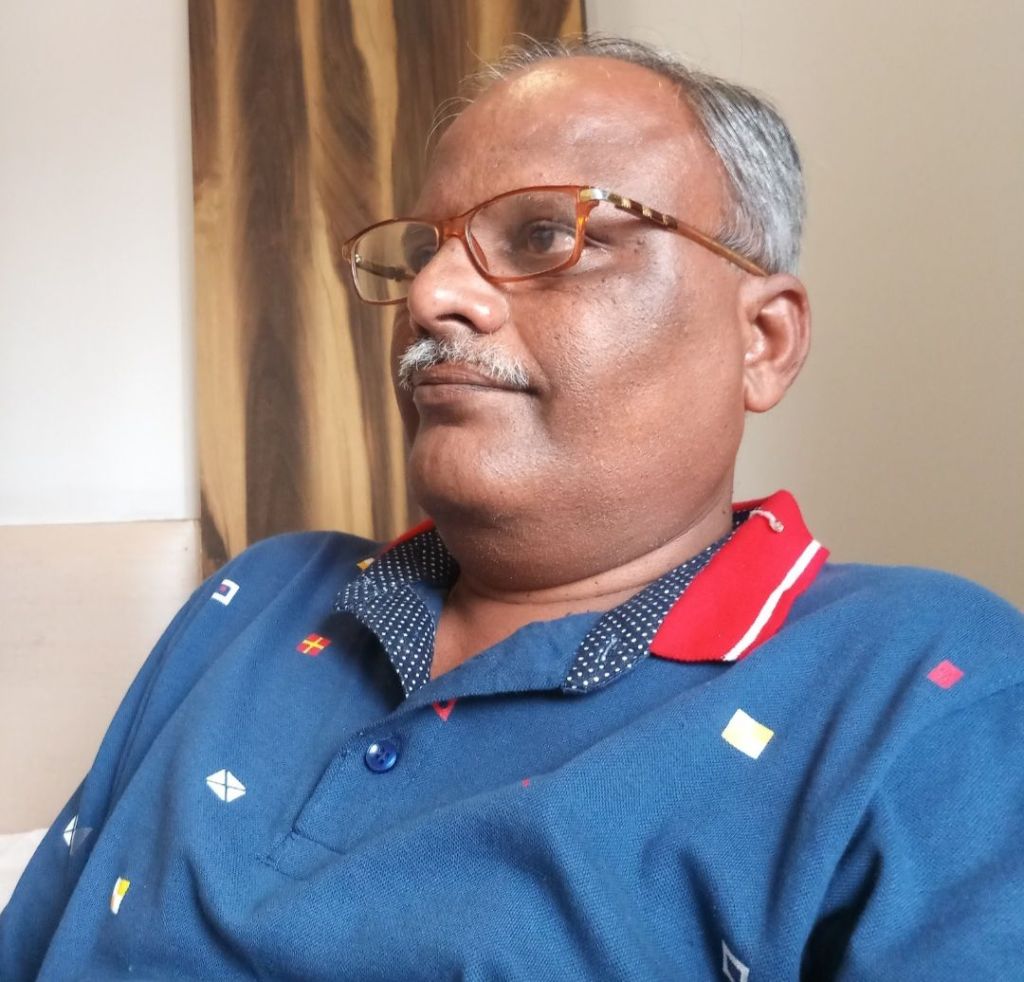
:-Mukund Madhukar Hingne.
 avatibhavati.com
Leave a reply to ganga1996 उत्तर रद्द करा.