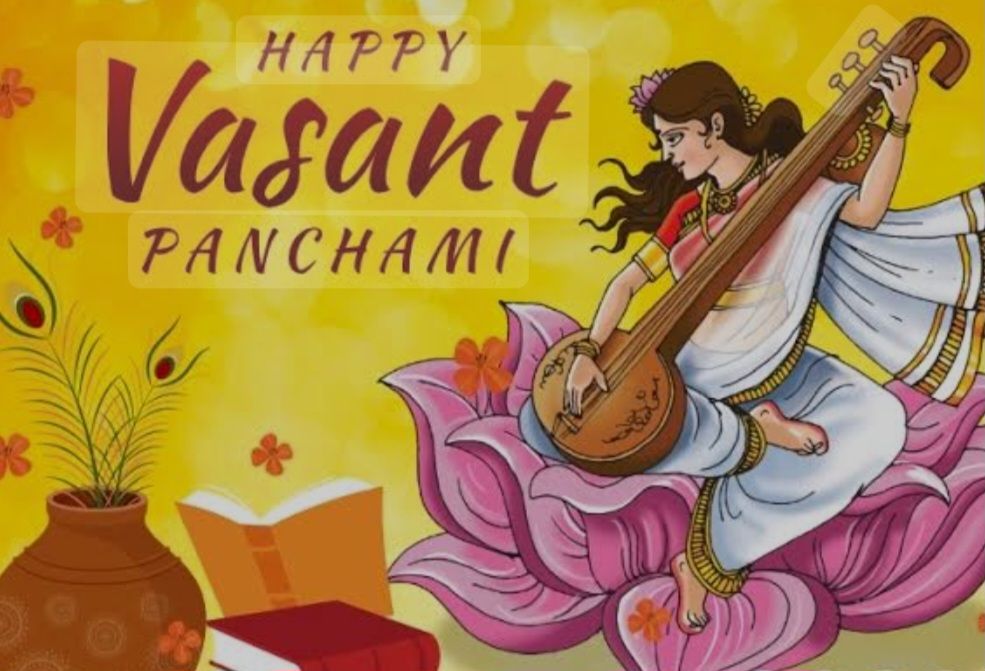
Vasant Panchami is an important festival in Indian culture, symbolizing the arrival of the spring season. According to the Hindu calendar, this festival is celebrated on the fifth day of the Shukla Paksha in the month of Magha (which falls in February in the Gregorian calendar). This year, it will be observed on February 2. The day is especially known for the worship of Goddess Saraswati, the deity of wisdom, knowledge, and arts.
Vasant Panchami also marks the transition in nature, welcoming new energy and vibrancy. As winter ends and summer slowly begins, trees sprout fresh leaves, and the environment transforms. This seasonal shift is often celebrated through artistic and literary expressions, making Vasant Panchami a festival of creativity and sensitivity.
1) Importance of the Spring Season:
Spring is known as the “King of Seasons” because nature adorns itself with vibrant colors during this time. The cold weather gradually fades away, new leaves sprout, flowers bloom, and the environment is filled with joyful energy. Vasant Panchami is celebrated as a festival to welcome and honor these beautiful changes in nature.
2) Significance of Saraswati Puja and Education:
Vasant Panchami is traditionally associated with the worship of Goddess Saraswati. This day holds special significance for students. Many schools, colleges, and universities observe the Vidyarambha Sanskar, marking the beginning of a child’s education. People from music, arts, and literature fields also pay homage to Goddess Saraswati, seeking her blessings for the growth of their talents.
3) Traditional Rituals of Vasant Panchami:
An idol or image of Goddess Saraswati is placed for worship.
The color yellow holds special significance as it represents the vibrancy of spring. People wear yellow clothes and prepare yellow-colored delicacies like Kesari Bhaat, Basundi, and Halwa.
Kite flying festivals are celebrated with great enthusiasm in many places.
It is considered auspicious to begin new learning endeavors on this day.
4) Culture and Traditions:
Vasant Panchami is celebrated in different ways across India:
In North India, particularly in Haryana, Punjab, and Uttar Pradesh, kite flying festivals are highly popular.
In West Bengal, Goddess Saraswati is worshipped with great devotion.
In Rajasthan and Madhya Pradesh, the festival is marked by traditional folk music and dance performances.
In Maharashtra, people perform special pujas at home and recite verses from the Bhagavad Gita.
5) Conclusion:
Vasant Panchami is not just a religious festival; it is also a celebration of nature’s renewal, knowledge, and culture. The day inspires us to embrace new beginnings and highlights the importance of happiness, positivity, and creativity in life.
“On this Vasant Panchami, let us all worship knowledge and joy, making our lives more enriched and fulfilling!”

“वसंत पंचमी : भारतीय संस्कृतीतील महत्वाचा सण…!”
वसंत पंचमी हा भारतीय संस्कृतीतील महत्वाचा सण असून तो वसंत ऋतूच्या आगमनाचे प्रतीक मानल्या जातो. हिंदू पंचांगानुसार, माघ महिन्यातील (इंग्रजी कालगणनेनुसार फेब्रुवारी महिना) शुक्ल पक्षाच्या पंचमीला (यंदा २ फेब्रुवारीला) हा उत्सव साजरा केला जातो. विद्या आणि कला यांच्या अधिष्ठात्री देवी सरस्वतीच्या पूजनासाठी हा दिवस प्रसिद्ध आहे. तसेच, वसंत पंचमी हा निसर्गातील बदल आणि नवचैतन्याचेही स्वागत करणारा दिवस आहे. आता हिवाळा संपून उन्हाळ्याला सुरुवात होत असते. झाडांना नवी पालवी फुटत असते. निसर्गातील हा बदल कला आणि साहित्याच्या उत्सवी प्रकटिकरणातून व्यक्त होणारा हा संवेदनशीलतेचे उत्सवी पर्व म्हणून ओळखल्या जाते.
१) वसंत ऋतूचे महत्त्व :-
वसंत ऋतूला ‘ऋतुराज’ म्हणतात, कारण या काळात निसर्ग नव्या रंगांनी सजतो. थंडी कमी होत जाते, नवी पालवी फुटते, झाडे-फुले बहरतात, आणि वातावरणात आनंदमय चैतन्य निर्माण होते. निसर्गातील या सुंदर बदलांचा उत्सव म्हणून वसंत पंचमी साजरी केली जाते.
२) सरस्वती पूजन आणि शिक्षणाचे महत्त्व :-
वसंत पंचमीला देवी सरस्वतीची पूजा करण्याची परंपरा आहे. विद्यार्थ्यांसाठी हा दिवस विशेष महत्त्वाचा असतो. अनेक शाळा, महाविद्यालये आणि विद्यापीठांमध्ये विद्यारंभ संस्कार (लहान मुलांच्या शिक्षणाची सुरुवात) केला जातो. संगीत, कला, आणि साहित्य क्षेत्रातील लोकही या दिवशी देवी सरस्वतीला वंदन करून आपली कला वृद्धिंगत होण्यासाठी प्रार्थना करतात.
३) वसंत पंचमीचे पारंपरिक विधी :-
देवी सरस्वतीची मूर्ती किंवा प्रतिमा पूजेसाठी स्थापित करतात. पिवळ्या रंगाला विशेष महत्त्व दिले जाते, कारण तो वसंत ऋतूचे प्रतीक आहे. लोक पिवळे कपडे परिधान करतात आणि पिवळ्या रंगाचे अन्नपदार्थ (केसरी भात, बासुंदी, हलवा) बनवतात. पतंगोत्सव अनेक ठिकाणी मोठ्या उत्साहात साजरा केला जातो. या दिवशी नवे शिक्षण सुरू करणे शुभ मानले जाते.
४) संस्कृती आणि परंपरा :-
भारताच्या विविध भागांमध्ये वसंत पंचमी वेगवेगळ्या पद्धतीने साजरी केली जाते. उत्तर भारतात, हरियाणा, पंजाब आणि उत्तर प्रदेशमध्ये पतंगोत्सव लोकप्रिय आहे. बंगालमध्ये, देवी सरस्वतीची मोठ्या उत्साहात पूजा केली जाते. राजस्थान आणि मध्य प्रदेशात, पारंपरिक लोकनृत्य आणि संगीताच्या माध्यमातून उत्सव साजरा होतो. महाराष्ट्रात, या दिवशी घरात विशेष पूजन करून भगवद्गीतेचे पठण केले जाते.
५) वसंत पंचमी हा सण फक्त धार्मिक दृष्टिकोनातूनच महत्त्वाचा नाही, तर तो निसर्गातील नवचैतन्याचा आणि ज्ञान-संस्कृतीचा उत्सव आहे. हा दिवस आपल्याला नवीन सुरुवातीची प्रेरणा देतो आणि जीवनात आनंद, सकारात्मकता आणि सर्जनशीलता यांचे महत्त्व पटवून देतो.
“या वसंत पंचमीला आपण सर्वांनी ज्ञान आणि आनंदाची पूजा करून जीवन अधिक समृद्ध बनवूया!”
:-Mukund Madhukar Hingne.
 avatibhavati.com
यावर आपले मत नोंदवा