Participating in religious activities is a traditional identity of Indian society. Many people engage in rituals such as worship, fasting, devotional singing, spiritual gatherings, and discourses during their holidays. These practices offer a sense of mental peace, spiritual fulfillment, and social connection. However, it is unfortunate that even such simple acts are now being given a distorted political-religious interpretation. Taking part in religious activities is a personal expression of faith. It brings inner peace and emotional well-being. But when taken to extremes, it inevitably leads to social conflict. Religious frenzy spilling onto the streets often incites violent confrontations.
While preserving one’s own religion, respecting other faiths is the true mark of spiritual maturity. Spending time in remembrance of God on a holiday is a spiritual act, but if it gives rise to ego or a sense of superiority over others, it ceases to be devotion and becomes a part of blind faith and fanaticism.

Religion is meant for oneself — not for display to others.
🔲 Religiousness on Holidays: Inner Peace or Public Display?
Going to a temple on a holiday, observing a fast, attending devotional gatherings, or making donations — these are acts of personal faith. However, nowadays many educated, influential, or high-ranking individuals consciously showcase such acts on social media.
In doing so, there’s often an underlying effort to prove, “Look how devoted I am to my religion.”
This leans more toward groupism and political signaling than genuine devotion.
🔲 Division in the Name of Religion: A Threat to Social Harmony
Although the core message of every religion is humanity, aggressive religious behavior on holidays is drawing divisive lines between “us” and “them.”
Especially when there arises a competitive environment about which religion is celebrated more “publicly” and “assertively,” it sows the seeds of social discord.
In such contexts, the line between devotion and fanaticism begins to blur, and people start feeling alienated from their own communities.
🔲 Balancing Religious Expression with Social Responsibility
Religious belief is a part of individual freedom. However, it’s important to remain aware of the influence one carries — especially if many people follow or imitate you.
We must ensure that our personal faith is not imposed on others. That’s where social responsibility comes in.
If our actions send a message of unity to society, then it is true devotion. Otherwise, the display of fanaticism may offer temporary pride — but it can lead to long-term division.
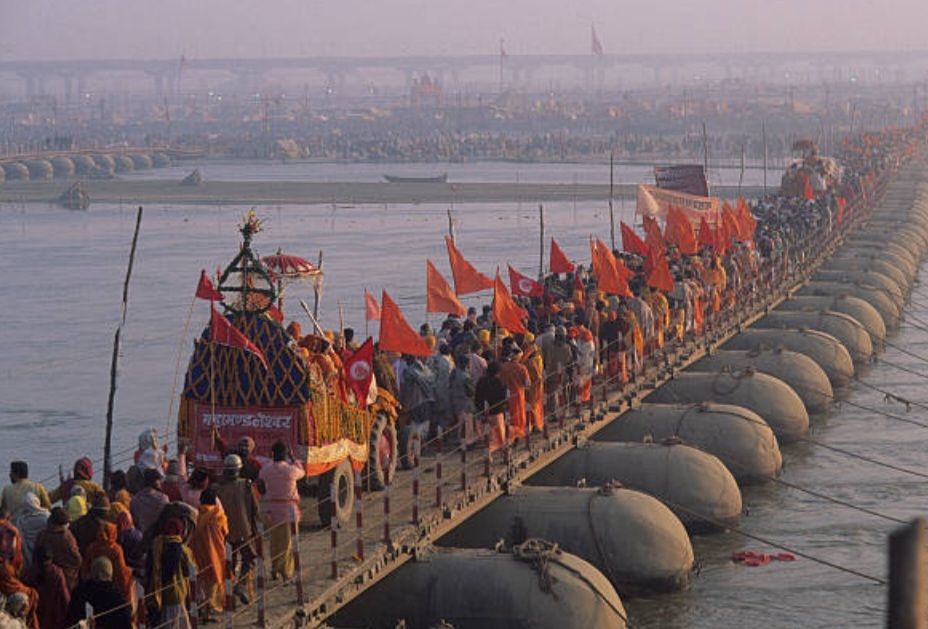
“सुट्टीच्या दिवसातील धार्मिक कार्य म्हणजे कट्टरता आहे का…?”
धार्मिक कार्यात सहभाग घेणे ही भारतीय समाजाची पारंपारिक ओळख आहे. अनेकजण आपल्या सुट्टीच्या दिवशी पूजा, व्रत, भजन, कीर्तन, सत्संग यासारख्या कार्यामध्ये सहभागी होतात. यात एकप्रकारची मानसिक शांती, आत्मिक समाधान आणि सामाजिक संवादाचा आधार असतो. पण या साध्या कृतीचंही आज एक वेगळं राजकीय-धार्मिक स्वरूप बनवलं जात आहे, हे दुर्दैव आहे. धार्मिक कार्यात सहभागी होणे ही वैयक्तिक श्रध्देची अभिव्यक्ती असते. त्यातून मानसिक आणि आत्मिक शांती मिळत असते. पण त्याचा अतिरेक झाल्यास सामाजिक संघर्ष अटळ ठरतो. रस्त्यावर उतरलेला धार्मिक उन्माद हा हिंसक संघर्षाला चिथावणी देणारा असतो.
आपल्या धर्माची जपणूक करताना इतर धर्मांचा आदर राखणं – हीच खरी धार्मिक उंची आहे. सुट्टीच्या दिवशी देवाच्या स्मरणात वेळ घालवणं ही आध्यात्मिक गोष्ट आहे, पण त्यातून जर अहंकार किंवा इतरांवर श्रेष्ठत्व गाजवण्याचा हेतू निर्माण झाला, तर ती श्रद्धा नसून अंधश्रद्धा आणि कट्टरतेचा एक भाग होतो.

धर्म स्वतःसाठी असतो – इतरांना दाखवण्यासाठी नव्हे.
🔲 सुट्टीतील धार्मिकता: आत्मिक शांतता की बाह्य प्रदर्शन?
आपण सुट्टीच्या दिवशी मंदिरात जाऊन पूजा केली, एखादं व्रत पाळलं, कीर्तनात बसलो किंवा दान केलं – ही वैयक्तिक श्रद्धेची गोष्ट आहे. परंतु आता अनेक सुशिक्षित, उच्चपदस्थ, किंवा सामाजिक प्रभाव असलेले लोक जाणीवपूर्वक अशा कृती समाजमाध्यमांवर प्रदर्शित करत आहेत.
हे करताना “मी आपल्या धर्मासाठी किती कट्टर आहे” हे सिद्ध करण्याचा प्रयत्न केला जातो.
यात श्रद्धेपेक्षा गटबाजीचा व राजकीय उद्देश अधिक ठळकपणे दिसून येतो.
🔲 धर्माच्या नावाने दुरावा: सामाजिक समरसतेवर गदा
सगळ्या धर्मांचा मूळ उद्देश मानवतेचा असताना, सुट्टीच्या दिवशी धर्मावर आधारित आक्रस्ताळं वर्तन करून ‘आम्ही आणि तुम्ही’ अशा रेषा आखल्या जात आहेत.
विशेषतः जेव्हा कोणता धर्म किती ‘प्रकटपणे’ आणि ‘ठसक्यात’ साजरा करतो याचा स्पर्धा-सदृश माहोल निर्माण होतो, तेव्हा सामाजिक संघर्षांचे बीज पेरले जाते.
या पार्श्वभूमीवर धर्मनिष्ठा आणि कट्टरता यातील सीमारेषा धूसर होत जाते, आणि मग त्यातून आपल्यातलेच आपल्याला परके वाटू लागतात.
🔲 धार्मिक अभिव्यक्ती आणि सामाजिक जबाबदारी यात समतोल हवा
धार्मिक श्रद्धा ही व्यक्तिस्वातंत्र्याचा भाग आहे. मात्र आपण कोणत्या स्थानावर आहोत, आपल्याचे अनुकरण किती लोक करतात, हे लक्षात घेऊन आपली श्रद्धा इतरांवर लादली जात नाहीये ना, याची जाणीव ठेवणं ही सामाजिक जबाबदारी आहे.
आपल्या कृतीतून जर समाजात एकोप्याचा संदेश गेला, तरच ती खरी श्रद्धा ठरेल. अन्यथा, कट्टरतेचं प्रदर्शन केवळ तात्कालिक अभिमान देईल – पण दीर्घकालीन फूट निर्माण करू शकतं.
:-Mukund Madhukar Hingne.
 avatibhavati.com
यावर आपले मत नोंदवा