🌿
Society is increasingly obsessed with forcing a choice between two extremes — either you’re a theist or an atheist. But the truth is, most people don’t fit neatly into either of these definitions. What about someone who folds hands in reverence when they see a temple, but doesn’t believe in rituals? Someone who has faith, yet is not blinded by superstition? Where does such a person belong? The voices of those with balanced, moderate thinking are rarely heard — because they don’t create noise. But in that quiet lies a vital sense of balance, which is more important now than ever. This article explores the perspective of such middle-ground individuals.
1️. ✴️ I’m Neither a Theist Nor an Atheist – Then Who Am I?
Labeling someone as either a theist or an atheist is convenient for society — a simple either-or framework. But real life is far more complex. You may join your hands in reverence when you see a temple, yet reject superstition and ritualism. Such an experience doesn’t fit into any established category — it holds its own independent identity.
2️. ✴️ I Have Faith, But It’s an Aware Faith
Faith doesn’t mean blindness. It is often born from experience — sometimes through personal trials, sometimes in moments of peace. This kind of faith lives quietly in one’s heart, not in blind practices or loud declarations. It stays away from those who spread darkness in the name of divinity. That’s why such individuals don’t belong clearly to either “religious” or “non-religious” labels.
3️. ✴️ Rejecting Rituals, Yet Embracing Spirituality
Do those who see no meaning in rituals, fasts, or ceremonies become outsiders to religion? Or are they the true seekers of the spiritual? Those who reject ritualism but continue their journey inward — finding divinity in relationships, nature, or art — follow a different kind of faith. One that’s no less valuable or authentic.
4️. ✴️ Is Balanced Thinking Wisdom or Convenience?
People who think moderately are often dismissed as “convenient” or indecisive. But sometimes, taking extreme positions is the real shortcut. Taking a thoughtful, informed stand isn’t easy — it lacks glamour and applause. But being moderate doesn’t mean being timid — it is a conscious and courageous choice.
5️. ✴️ Cowardice or Progressivism?
Those who avoid extreme positions are often labeled “spineless.” But embracing extremism isn’t always bravery. True progress, meaningful change, and dialogue happen through the middle path. This understanding may seem like cowardice to some, but in reality, it becomes a shield of sanity for society.
6️. ✴️ The Rule of the Rigid – The Helplessness of the Thoughtful
A small but loud minority of rigid thinkers has overpowered the voices of the thoughtful majority. Because balanced thinking doesn’t create noise. That’s the real tragedy — where balance, reason, and tolerance are ignored, and extreme ideologies dominate the social narrative.
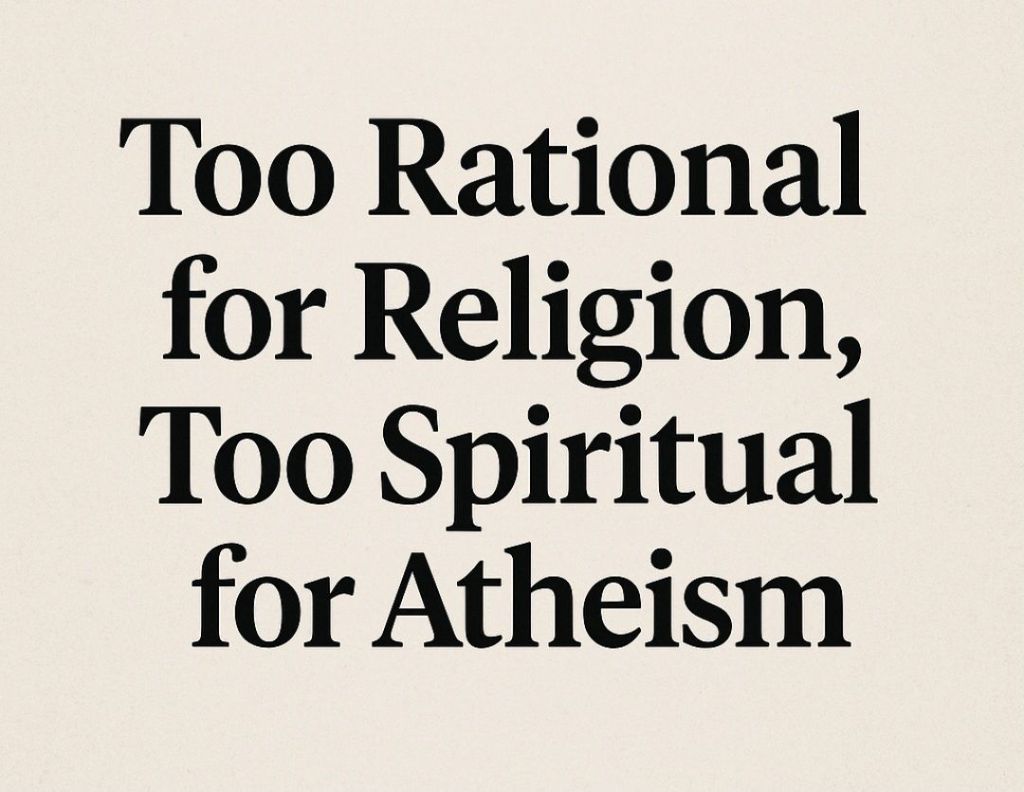
“धर्माच्या टोकांदरम्यान मी कुठे उभा आहे….?”
🌿
आपण आस्तिक आहोत की नास्तिक — असा दोन टोकांमधला निर्णय घेण्याचा समाजाचा हट्ट वाढत चाललाय. पण बहुतेक लोक हे या दोन परिभाषांमध्ये बसतच नाहीत. मंदिर दिसलं की मनात नमस्कार करणारा पण कर्मकांड मानणारा नाही, श्रद्धावान असला तरी अंधश्रद्धेला बळी न पडणारा… अशा माणसाचं स्थान कुठं? अशा नेमस्त विचारधारेच्या लोकांचा आवाज समाजात कमी ऐकू येतो, कारण ते गोंधळ घालत नाहीत. पण या शांत आवाजात एक समतोल आहे — जो आजच्या काळात फार महत्त्वाचा आहे. या लेखात अशाच मध्यममार्गी जीवनदृष्टीचा विचार करूया.
१️.✴️ मी आस्तिकही नाही, नास्तिकही नाही – तर मग कोण?
आस्तिक आणि नास्तिक ही ओळख पटवणं समाजासाठी फार सोपं असतं. एक either-or फ्रेम. पण वास्तव जीवन त्याहून खूप गुंतागुंतीचं असतं. मंदिर दिसलं की हात जोडले जातात, पण विधीवाद, अंधश्रद्धा मानली जात नाही. हा अनुभव कुठल्याही वर्गात मोडत नाही — तो स्वतःचं स्वतंत्र अस्तित्व जपत असतो.
२️.✴️ श्रद्धा आहे, पण ती डोळस आहे
श्रद्धेचा अर्थ अंधपणा नसतो. ती अनुभवातून आलेली असते — कधी एखाद्या प्रसंगाने, कधी शांततेच्या क्षणांत. ही श्रद्धा देवघरात राहते, पण देवाच्या नावाने अंधपणा पसरवणाऱ्या प्रवृत्तीपासून दूर राहते. त्यामुळेच अशा व्यक्तीला ‘धार्मिक’ किंवा ‘धार्मिक नसलेला’ अशा कोणत्याच गटात ठेवणं कठीण जातं.
३️.✴️ कर्मकांड नाकारताना अध्यात्माची ओळख
ज्यांना पूजा, व्रत, उपवास यांमध्ये अर्थ दिसत नाही, त्यांना धर्मापासून फटका बसतो का? की तेच खरे अध्यात्म शोधणारे असतात? कर्मकांड नाकारूनही जे आत्मशोध करत राहतात, जे नात्यांमध्ये, निसर्गात, कलेत दिव्य अनुभव घेतात — त्यांचा धर्म वेगळा असतो, पण तोही तितकाच मौल्यवान असतो.
४️.✴️ नेमस्त विचार – समजूत की सोयी?
नेमस्त विचार करणाऱ्यांना “सोयिस्करवादी” म्हणून हिणवलं जातं. पण कधीमधी अतिरेकी भूमिका घेणं हीच सोय असू शकते. विचारपूर्वक, समजून घेऊन एखाद्या मुद्द्यावर भूमिका घेणं सोपं नसतं. कारण त्यात लोकप्रियतेचा झगमगाट नसतो. पण नेमस्तपणा म्हणजे संकोच नव्हे — तो सजग निवड असतो.
५️.✴️ भित्रेपणा की सुधारणावाद?
आपण टोकाची भूमिका घेत नाही म्हणून आपल्याला “नेभळट” ठरवलं जातं. पण टोक गाठणं हे धाडसाचं लक्षण असतंच असं नाही. सुधारणा, बदल, संवाद हे सर्व काही मध्यममार्गातूनच शक्य असतं. कधी हा समजूतदारपणा भित्रेपणासारखा भासतो, पण खरं पाहिलं तर तो समाजासाठी सुरक्षिततेचं कवच ठरतो.
६️.✴️ कर्मठांचे राज्य – शांत विचारांची हतबलता
अत्यल्पसंख्य पण आक्रमक असलेल्या कर्मठ विचारसरणीच्या लोकांनी बहुसंख्य नेमस्तांचा आवाज दाबून टाकला आहे. कारण शांत विचाराने गोंगाट होत नाही. हेच खरं दुखणं आहे — जिथे समतोल, विवेक, सहिष्णुता या गोष्टी दुर्लक्षित होतात आणि टोकाच्या भूमिका समाजावर वर्चस्व गाजवतात.
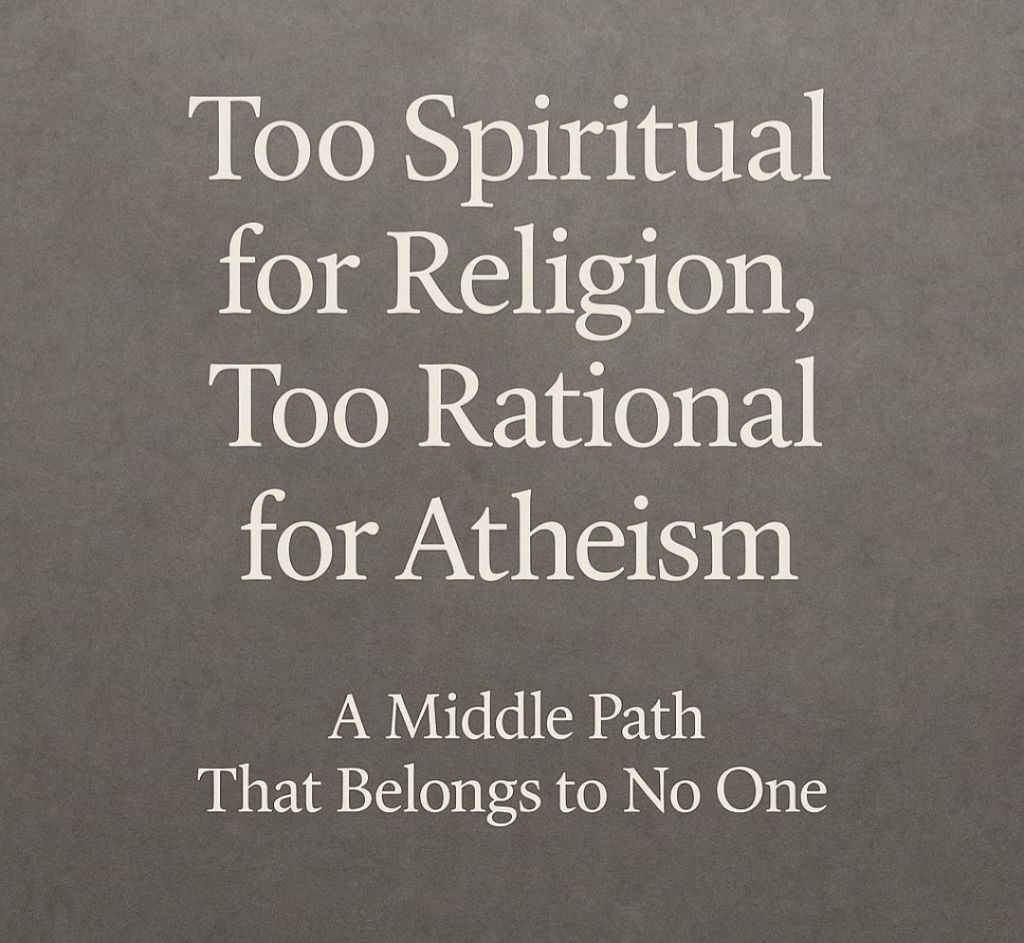
:-Mukund Madhukar Hingne.
 avatibhavati.com
Leave a reply to मुकुंद हिंगणे उत्तर रद्द करा.