What are you curious about?
🟡
History is not just a tale of kings, palaces, wars, and victories —
it is also hidden in the lifestyles of ordinary people of those times.
How did our ancestors live? What did they eat, wear, and how did they speak —
knowing all this is like establishing a dialogue with our roots.
In every era, human life was lived differently,
but their needs, emotions, and struggles remained much the same.
Through archaeological evidence, inscriptions, literature, and local traditions,
we can uncover this way of life.
From the prehistoric to the modern age, this journey is a living document
of the evolving forms of existence.
✒️1️. From Primitive Man to Village Systems – The Beginning of Community Life
Primitive humans lived in caves, and until they learned agriculture, their life revolved around wandering and hunting.
Gradually, with the development of farming, animal domestication, and permanent settlements, the early structure of society began to form.
Small groups, tribes, and village systems started to emerge.
During this time, worship of gods, nature, and ancestors became a part of daily life.
Cave paintings and archaeological remains vividly depict their way of living.
✒️2️. The Indus Valley Civilization – The Beginning of Urban Life
The cities of Mohenjo-daro and Harappa in the Indus Valley were extremely well-planned.
Organized roads, water management systems, drainage networks, and public baths
reveal how advanced urban life was during that period.
People were engaged in textile production, trade, sculpture, and religious practices.
Women also held a significant place in that society. All of this information has been discovered through excavations.
✒️3️. Vedic and Post-Vedic Society – From Ritualism to Social Structure
During the Vedic period, Aryan society became prominent and placed great emphasis on religious rituals.
The Rigveda mentions the worship of cows, rivers, and fire, and reveals a patriarchal social structure.
In the post-Vedic period, agriculture, trade, and family systems grew stronger.
Ritualism increased, the caste system solidified, and traditions of knowledge began to take shape.
Householder life, education systems, and Gurukuls were key features of Vedic society.
✒️4️. The Buddhist-Jain Period – A Life Influenced by Simplicity and Philosophy
With the teachings of Gautama Buddha and Mahavira, thoughtfulness and restraint gained a place in daily life.
During this era, discussions on education, religion, and moral values entered common life.
Monasteries, viharas, and artistic expression reflect the cultural richness of the time.
Non-violence, truth, and asceticism were key principles that spread through Buddhist and Jain sects.
Everyday life became more refined and ethically aware.
✒️5️. Medieval India – Society, Tradition, and Struggles
This period saw the influence of Islamic invasions, giving rise to a fusion of cultures in daily life.
Local traditions merged with foreign cultures — especially visible in language, clothing, cuisine, and architecture.
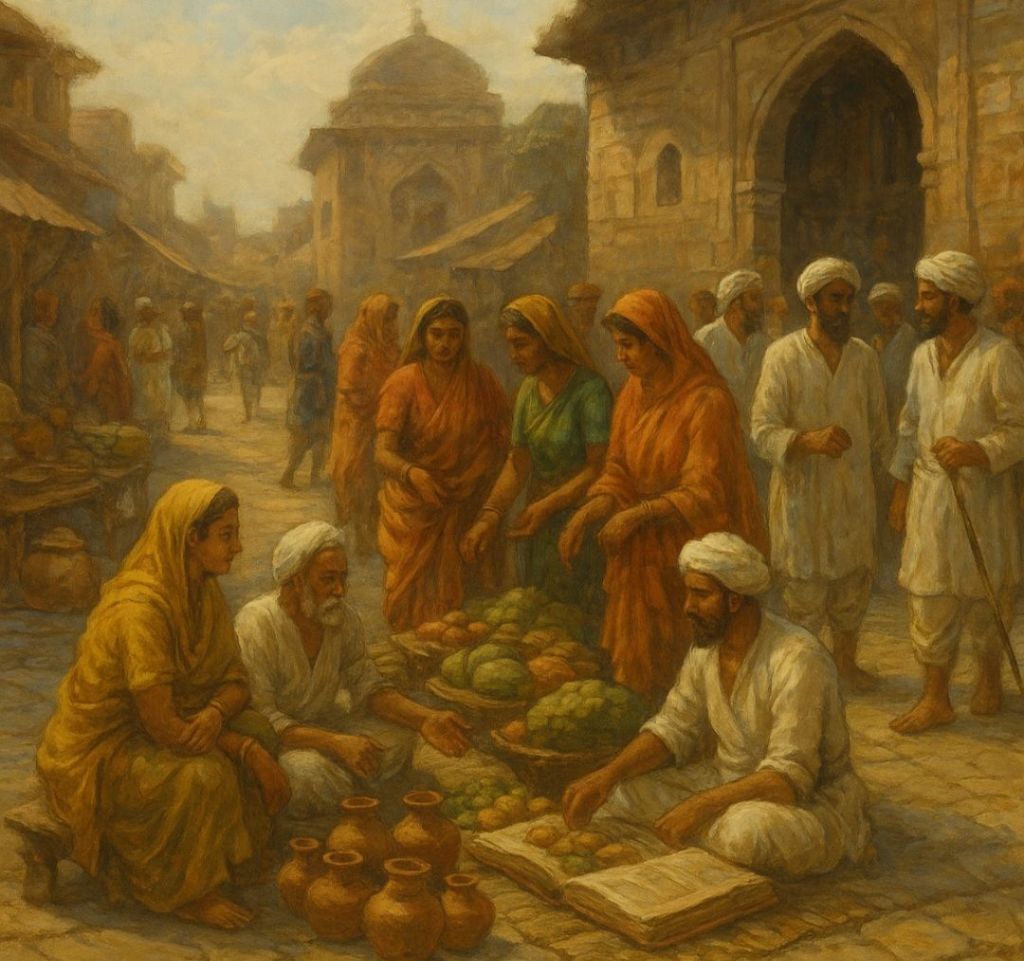
Village life largely depended on agriculture, but handicrafts and artisanal skills also flourished.
Caste-based social structures were pronounced, but the Bhakti movement carried a message of equality.
Through folk art, songs, and stories, the emotions of common people found expression.
✒️6️. Modern Era – Transition, Education, and New Thought
During British rule, the spread of education increased, and social reformers raised awareness among the masses.
However, poverty, ignorance, and subjugation also made life increasingly difficult for ordinary people.
Movements for women’s education, resistance to caste oppression, and the freedom struggle
brought about a rise in thought, self-awareness, and action.
The gap between rural and urban life widened, and technological progress rapidly transformed lifestyles.
Modern India is a confluence of all these phases — shaped by experiences and layered with history.
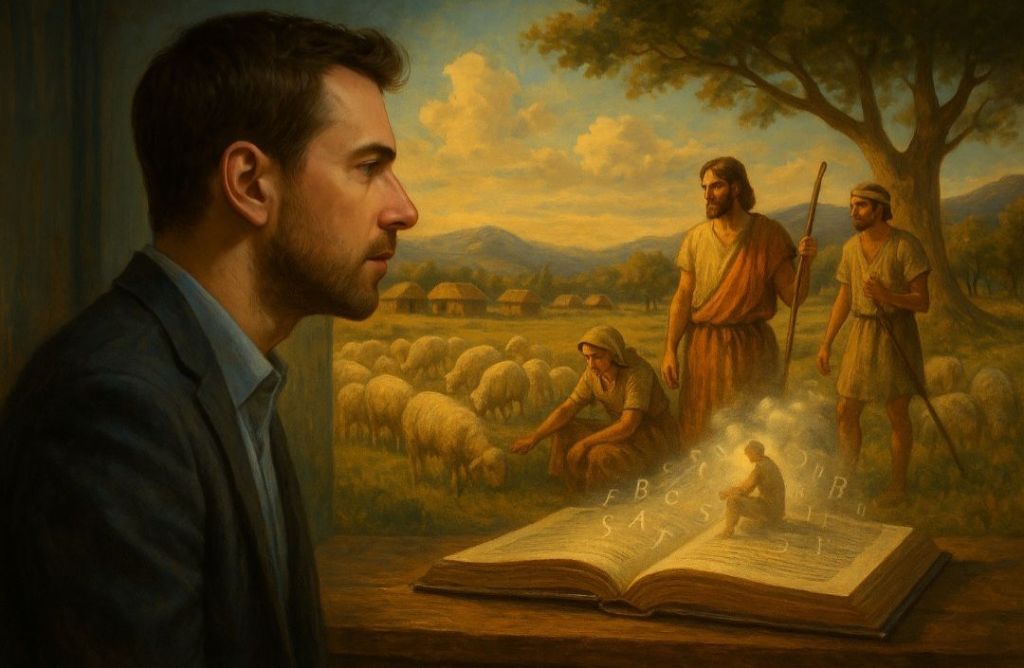
“मानवी जीवनाच्या बदलत्या गूढ प्रवासाची उत्सुकता…!”
तुला कुठल्या गोष्टीची उत्सुकता आहे?
🟡
इतिहास हे केवळ राजे-रजवाडे, युद्धं आणि विजयांचं चित्र नसून
तो त्या काळातल्या सामान्य माणसाच्या जीवनशैलीतही लपलेला असतो.
आपले पूर्वज कसे राहत होते? काय खात होते, काय घालत होते, कसे बोलत होते –
हे सगळं जाणून घेणं म्हणजे आपल्या मूळाशी संवाद साधणं होय.
प्रत्येक युगात माणूस वेगळा जगला, पण त्याच्या गरजा, भावना आणि संघर्ष मात्र सारखेच राहिले.
पुरातत्त्वीय साक्ष, शिलालेख, वाङ्मय आणि स्थानिक परंपरांमधून आपण हे जीवन उलगडू शकतो.
अगदी आदिमकालापासून अर्वाचीन काळापर्यंतचा हा प्रवास म्हणजे जगण्याच्या बदलत्या रूपांचा दस्तावेज आहे.
✒️१️. आदिमानव ते ग्रामसंस्था – सुरुवातीचं लोकजीवन
आदिमानव गुहांमध्ये राहत होता, शेती शिकेपर्यंत त्याचं जीवन भटकंती आणि शिकारीवर आधारित होतं.
हळूहळू शेती, पशुपालन, आणि स्थिर वस्ती निर्माण झाली आणि त्यातून समाजाची प्राथमिक रचना सुरू झाली.
लहान लहान समूह, टोळ्या, आणि ग्रामसंस्था तयार होऊ लागल्या.
या काळात देव, निसर्ग, आणि मृतांचे स्मरण हे जीवनाचा भाग बनले.
भिंतींवर काढलेली चित्रं आणि काही पुरातत्त्वीय अवशेष त्यावेळचं जीवन स्पष्टपणे मांडतात.
✒️२️. सिंधू संस्कृती – नागरी जीवनाचा प्रारंभ
सिंधू खोऱ्यातील मोहेंजोदडो आणि हडप्पा ही शहरे अत्यंत नियोजनबद्ध होती.
व्यवस्थित रस्ते, पाण्याची व्यवस्था, ड्रेनेज सिस्टिम, आणि सार्वजनिक स्नानगृह यामुळे
त्या काळचं नागरी जीवन फार प्रगत होतं हे लक्षात येतं.
लोक सूत कापडात गुंतले होते, व्यापार-व्यवसाय, शिल्पकला आणि धर्म यांचा प्रभावही स्पष्ट दिसतो.
स्त्रियांनाही त्या समाजात विशिष्ट स्थान होतं. हे सर्व माहिती आपल्याला उत्खननांतून मिळते.
✒️३️. वैदिक आणि उत्तरवैदिक समाज – धार्मिकतेपासून समाजघटनाकडे
वैदिक काळात आर्य समाज प्रमुख झाला आणि समाजाचा भर धार्मिक विधींवर होता.
ऋग्वेदामध्ये गायी, नद्या, आगीची पूजा यांचं वर्णन आहे, आणि पुरुषप्रधान समाजरचना दिसते.
उत्तरवैदिक काळात शेती, व्यापार, आणि कुटुंबसंस्था बळकट होऊ लागली.
कर्मकांड वाढलं, वर्णव्यवस्था ठाम झाली आणि ज्ञानाच्या परंपरा सुरू झाल्या.
गृहस्थाश्रम, शिक्षणसंस्था, आणि गुरुकुल ही वैदिक समाजाची प्रमुख वैशिष्ट्यं होती.
✒️४️. बौद्ध-जैन काळ – साधेपणा आणि तत्त्वज्ञानाच्या प्रभावाखालील जीवन
गौतम बुद्ध आणि महावीर यांच्या शिकवणुकीमुळे लोकजीवनात विचारशीलता आणि संयमाचं स्थान निर्माण झालं.
या काळात शिक्षण, धर्म, आणि नैतिक मूल्यांची चर्चा सर्वसामान्य जीवनात आली.
मठसंस्था, विहारं, आणि शिल्पकला यांतून त्या वेळचं सांस्कृतिक वैभव समजतं.
अहिंसा, सत्य, आणि तपश्चर्या हे तत्व बौद्ध-जैन पंथांतून समाजात रुजले.
लोकजीवन अधिक सुसंस्कृत आणि नैतिकदृष्ट्या जागरूक झालं.
✒️५️. मध्ययुगीन भारत – समाज, परंपरा आणि संघर्ष
या काळात इस्लामी आक्रमणांमुळे लोकजीवनात मिश्रसंस्कृतीचं रूप दिसू लागलं.
स्थानिक परंपरा आणि बाह्य संस्कृती यांचं संमेलन झालं – विशेषतः भाषा, कपडे, अन्न आणि स्थापत्यशैलीत.
गावकऱ्यांचं जीवन बहुतेक शेतीवरच अवलंबून होतं, पण हस्तकला आणि कारागिरीही बहरत होती.
जातिनिष्ठ समाजरचना ठसठशीत होती, पण संतपरंपरेतून समतेचा संदेशही रुजत होता.
या काळात लोककला, गाणी, लोककथांमधून सामान्य जनतेच्या भावना व्यक्त झाल्या.
✒️६️. अर्वाचीन काळ – संक्रमण, शिक्षण आणि नवे विचार
ब्रिटिश कालखंडात शिक्षणाचा प्रसार झाला, आणि समाज सुधारकांनी लोकजागृती केली.
मात्र याचवेळी गरिबी, अज्ञान, आणि गुलामगिरीमुळे सामान्य लोकांचे जीवन कठीणही होत गेले.
महिलांच्या शिक्षणाची सुरुवात, जातिव्यवस्थेविरोधातील चळवळी, आणि स्वातंत्र्यलढा यामुळे
लोकजीवनात विचार, आत्मभान आणि कृती यांचा उदय झाला.
गाव आणि शहर यांच्यातलं अंतर वाढत गेलं, आणि तांत्रिक प्रगतीने जीवनशैली झपाट्याने बदलत गेली.
आजचा भारत म्हणजेच या सर्व टप्प्यांतून घडलेला, अनुभवांचा व इतिहासाचा संगम आहे.
:-Mukund Madhukar Hingne.
 avatibhavati.com
Leave a reply to nothing and everything उत्तर रद्द करा.